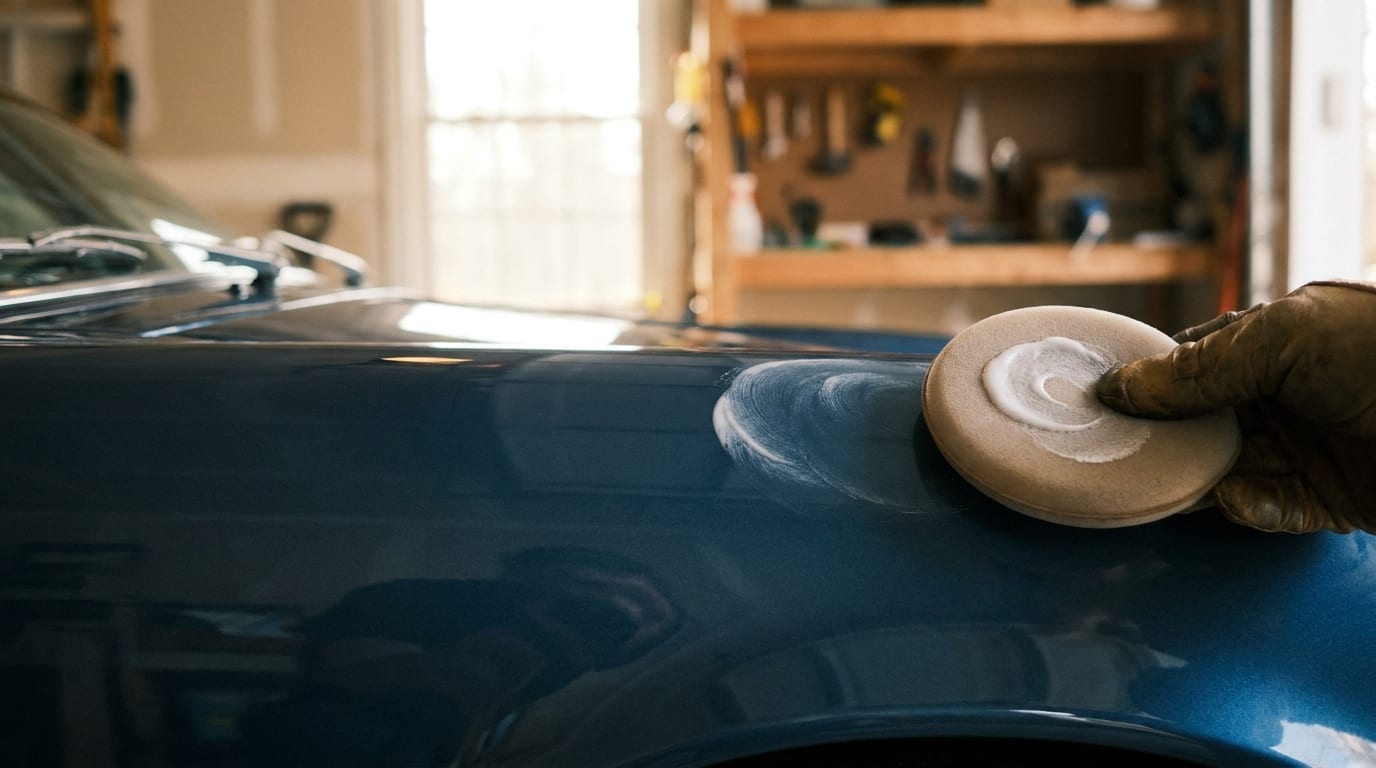
Yes, a car cover can slow paint chalking on older vehicles, but only if it blocks UV rays consistently. Chalking happens when sun exposure breaks down a clear coat that's already losing its protective resin, and a quality cover cuts off that exposure going forward. It won't undo chalking that's already there. Think of it as damage control, not a fix.
Does a Car Cover Prevent Chalking on Older Paint?
Short answer: yes, with a caveat. A UV-blocking cover reduces the sun exposure that's actively breaking down degraded clear coat and pigment, which slows new chalking from forming. What it can't do is reverse the chalky, faded look that's already on the surface. That part's done.
So does a car cover prevent chalking on older paint completely? No. It prevents more of it. There's a real difference, and it matters for how you set expectations before you buy one.
How much it helps depends on two things: how far along the oxidation already is, and whether you actually use the cover every time the car sits outside. A cover that stays balled up in the trunk half the week isn't doing much.
What Causes Paint Chalking in the First Place?
Chalking is oxidation. The clear coat (or the paint binder on older single-stage finishes) breaks down at a molecular level, and what's left behind is a dusty, faded residue that wipes off on your hand if you run it across the hood. It's not dirt. It's the paint itself degrading.
A few things speed it along:
- Years of direct sun exposure with no shade or cover
- Skipping regular waxing, which strips away the sacrificial layer that would otherwise take the UV hit
- Airborne pollutants and road grime sitting on the surface
- Temperature swings, hot days followed by cold nights, that stress the resin over time
Chalking shows up most on vehicles over 10 years old, especially ones parked outside full-time without any protection. Newer factory clear coats have UV inhibitors built in. Those inhibitors wear out. Once they're gone, the clock on chalking starts running a lot faster.
How Does UV Exposure Accelerate Chalking on Aging Clear Coats?
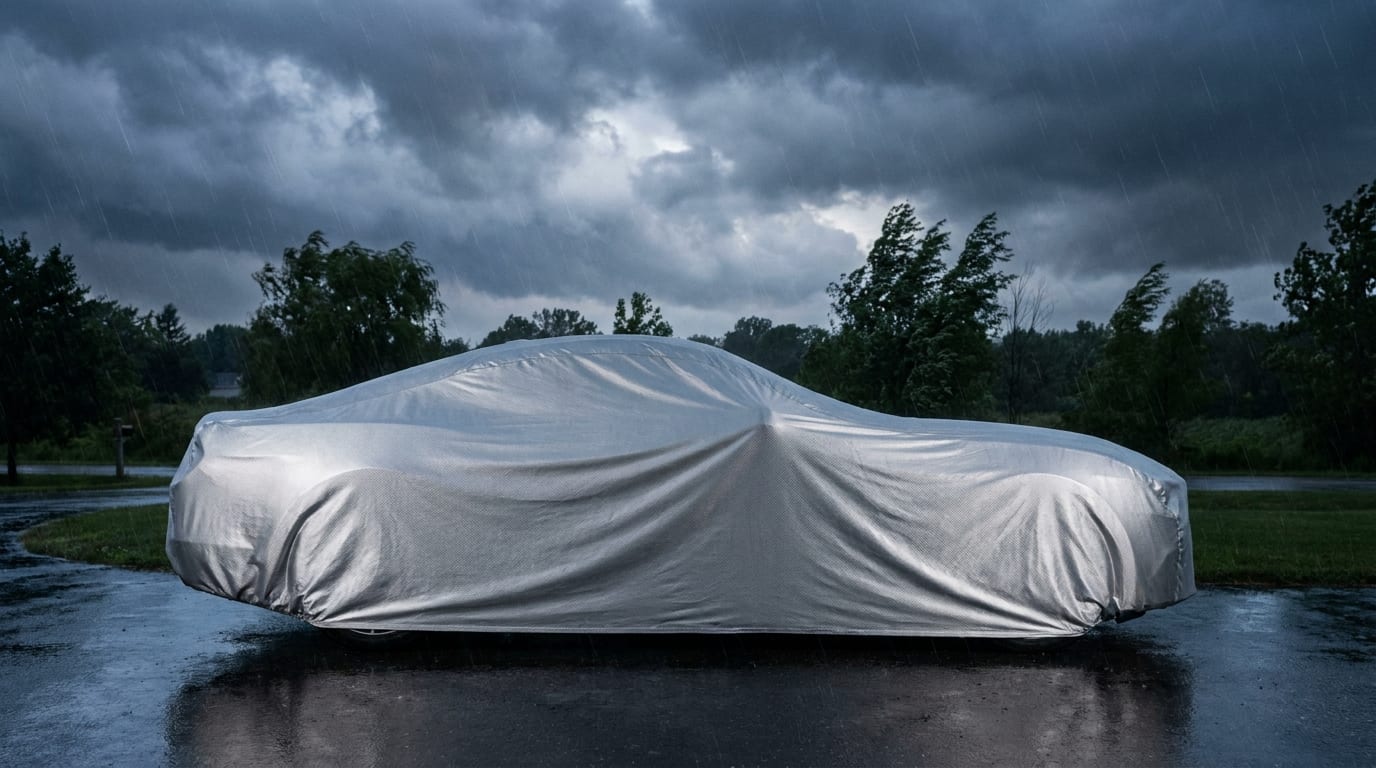
UV radiation attacks the resin bonds in clear coat, breaking them down fiber by fiber, so to speak. On a newer car, factory UV inhibitors absorb a lot of that damage. On an older car, those inhibitors are thinner, worn, or gone, so the UV hits the resin directly. That's why a 15-year-old car chalks faster than a 3-year-old one sitting in the same driveway.
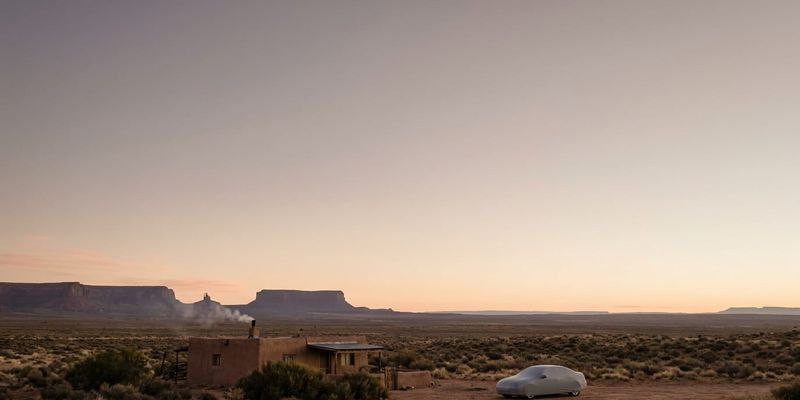
Here's the part people miss: you don't need rain or snow for this to happen. Just daily sun is enough. A car parked outside in a sunny climate, even one that never sees a drop of rain, will chalk faster than one garaged most of the time. UV doesn't take days off.
If you want the fuller picture on what sun, wind, and weather do to a vehicle parked outdoors, the guide to using a car cover outdoors breaks down each exposure type and what it does to paint, trim, and rubber seals over time.
Can a Car Cover Stop Chalking That's Already Started?
No, and it's worth being blunt about that. A cover can't undo oxidized paint. Once the clear coat has broken down into that chalky layer, you need polishing, compounding, or a professional correction to actually remove it. A cover sitting over the top of that surface isn't restoring anything underneath.
What a cover does do, going forward, is block the UV that would otherwise keep making it worse. Put a cover on a car with moderate chalking and you've likely stopped that chalking from spreading further and getting deeper into the clear coat. That's real value. It's just not the same as fixing what's already there.
If the paint has visible chalking now, deal with it before you start covering the car daily. Wash it, polish out what you can, maybe wax it. Covering untreated, oxidized paint just seals in the problem instead of protecting a surface that's actually in good shape.
What Type of Car Cover Offers the Best UV Protection?
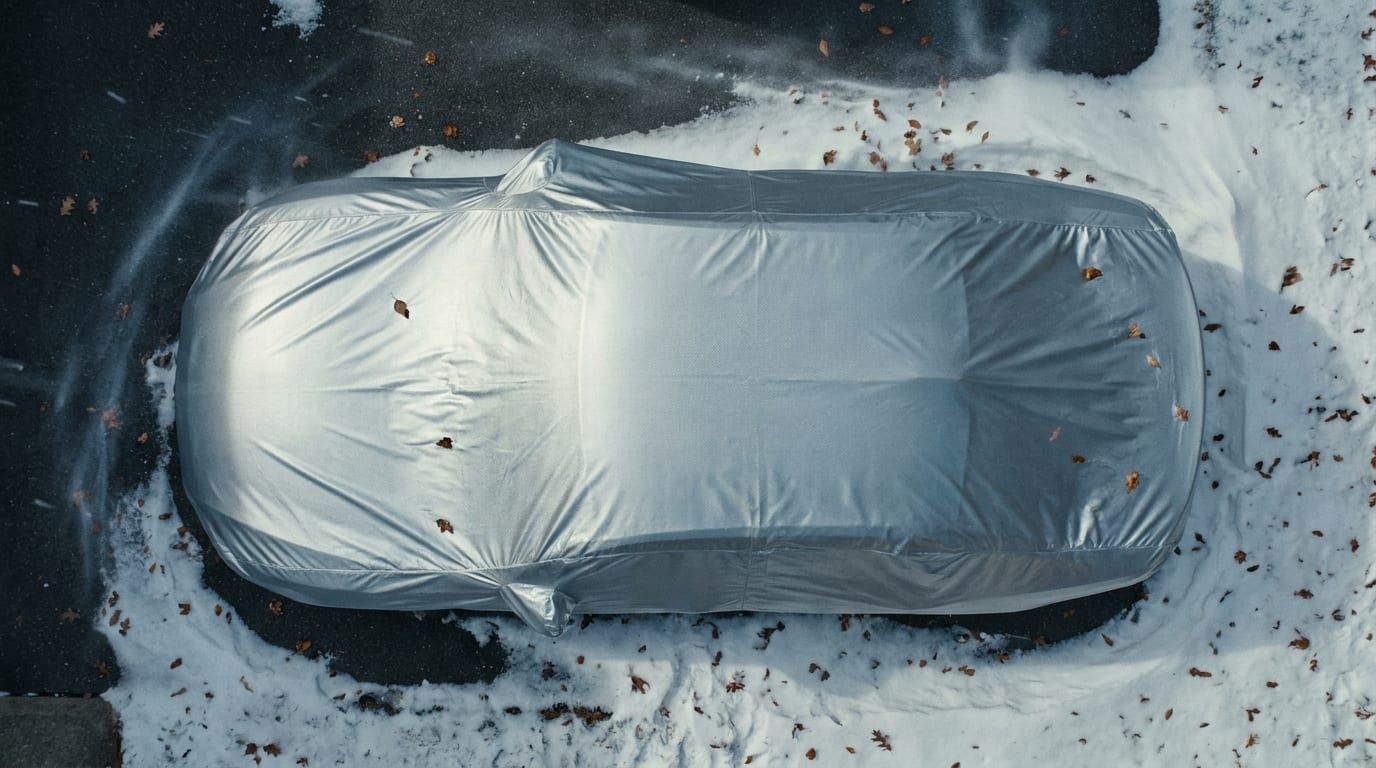
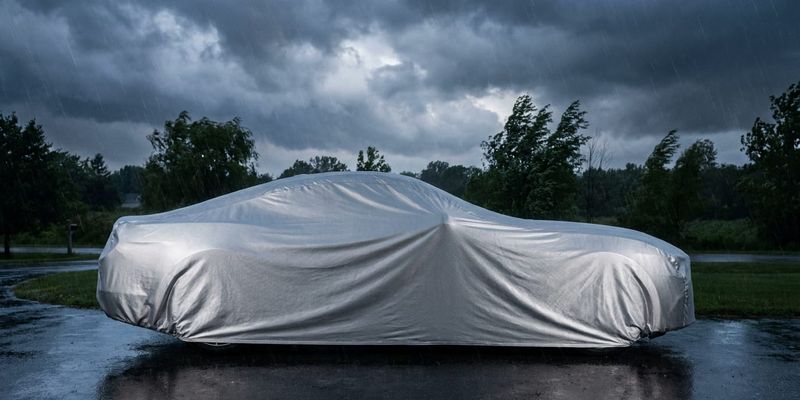
Not all covers are built for sun. A basic indoor dust cover is made to keep light dust and scratches off a car sitting in a garage. It's thin, it's not UV-rated, and it won't do much for a vehicle parked outside. An outdoor car cover is a different product entirely, built with multi-layer, UV-resistant fabric designed specifically to take direct sun exposure day after day.
Fit matters here too. A loose, universal-fit cover flaps around in the wind, rubs against the paint, and leaves gaps where sun and moisture sneak through. A snug, breathable fit reduces that friction and gives UV fewer entry points. It's a small detail that adds up over years of use.
For material specifics, the waterproof fabrics article and the which material car cover is best guide both go deeper into how different fabric layers handle sun, water, and temperature swings.
One more thing worth knowing: light-colored or reflective outer layers tend to handle constant sun exposure better than dark covers on vehicles parked outside full-time. Dark fabric absorbs more heat, which means more stress on both the cover and, indirectly, the paint underneath.
What Other Paint Care Steps Help Alongside a Cover?

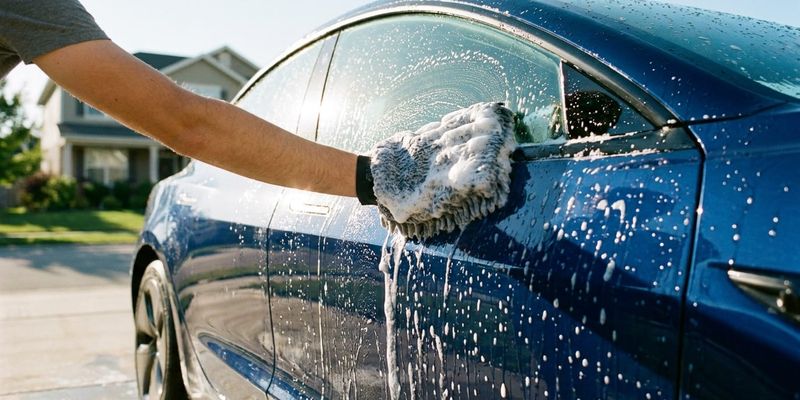
A cover works best as part of a routine, not a standalone fix. Wash and wax the car before you start covering it regularly. Washing removes the grit and oxidation byproducts sitting on the surface, and waxing adds a sacrificial barrier that takes some of the UV hit before it ever reaches the clear coat.
Pull the cover off every so often and let the car air out, especially if it's older and already has some paint wear. Covers that stay on constantly without a break can trap moisture against the surface, and trapped moisture is its own slow-motion problem on aging paint.
For a broader rundown of maintenance steps that pair well with cover use, the car care hub covers washing, waxing, and other upkeep that keeps paint in better shape long term.
Protect Older Paint Before Chalking Gets Worse
A cover is prevention, not repair. It works best when you start using it early, before chalking has a chance to take hold, rather than after the paint's already dusty and faded. Once that oxidation sets in, no cover is bringing it back.
If you're ready to look at one, a cover finder tool can match an outdoor, UV-resistant cover to your vehicle's exact year and model, so you're not guessing at fit or fabric. And if you're investing in paint protection for the long haul, it's worth knowing most quality covers come backed by a lifetime warranty, so you're not re-buying one every couple of years. Worth a look before the sun does any more damage.