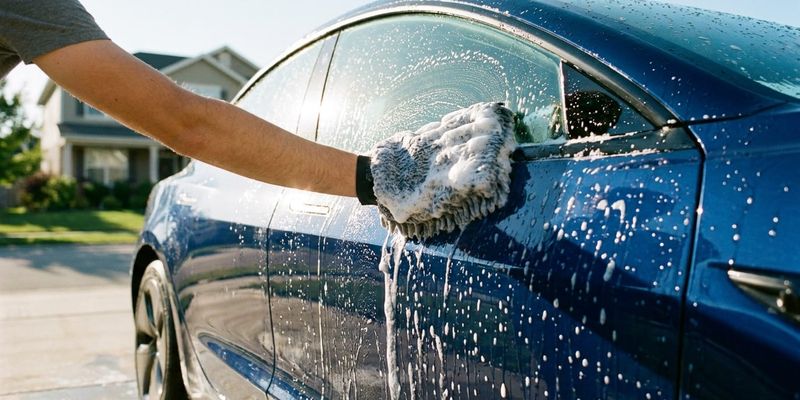
Yes, a car cover cuts down on how often you need to wash your car. Fabric stops dust, pollen, bird droppings, tree sap, and rain spotting from settling directly on the paint, so a covered vehicle collects far less grime between washes than one left exposed. It won't eliminate washing, but it stretches the time between them noticeably.
That's the short version. The longer version depends on your climate, where you park, and whether the cover itself is any good. A loose, thin cover does a fraction of the job a properly fitted one does. So does a cover that never gets cleaned. Here's what actually determines whether a car cover reduces the need for frequent car washes in your specific situation, and where it falls short.
How Does a Car Cover Actually Keep a Car Cleaner Between Washes?

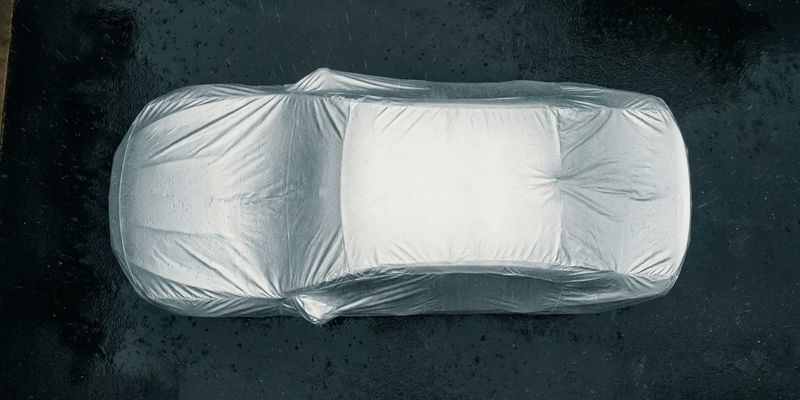
Think of it as a barrier, nothing fancier than that. Dust, pollen, and exhaust soot are floating around constantly, looking for a surface to land on. Without a cover, that surface is your clear coat, and over days and weeks those particles bond to the paint instead of just sitting on it. A cover intercepts all of that. The grime lands on the fabric instead, and when you pull the cover off, most of it comes off with it.
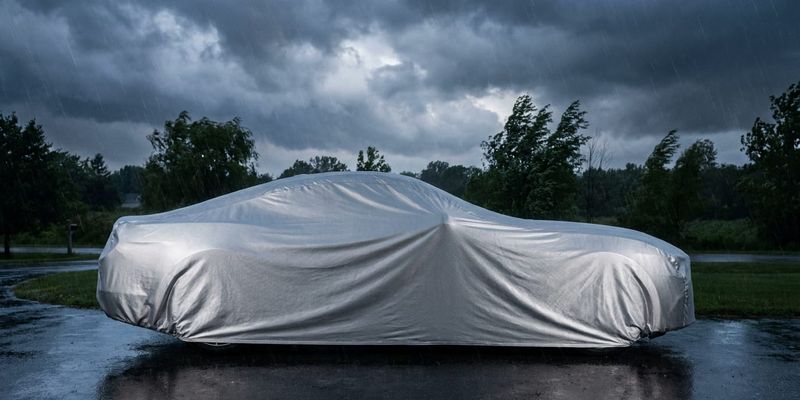
Outdoor-rated covers with water-resistant layers do more than block particles. They also stop rain from drying into spots and mineral deposits, which is one of the more annoying things a daily-driven car deals with if it's parked outside. A waterproof car cover handles this better than a basic indoor-style cover ever will.
What a cover can't do is protect from below. Road spray, puddle splash, and dirt kicked up by passing cars all hit the lower panels, and a cover only shields from above and the sides. So the answer to does a car cover reduce the need for frequent car washes isn't "no more dirt, ever," it's "a lot less dirt, in the places that matter most for paint condition." And that protective effect scales directly with cover quality. A loose universal cover flaps around, lets wind-blown debris underneath, and doesn't seal well at the edges. A custom-fit car cover sits close to the body and leaves a lot less room for anything to sneak in.
Do Bird Droppings and Tree Sap Still Damage a Car Under a Cover?
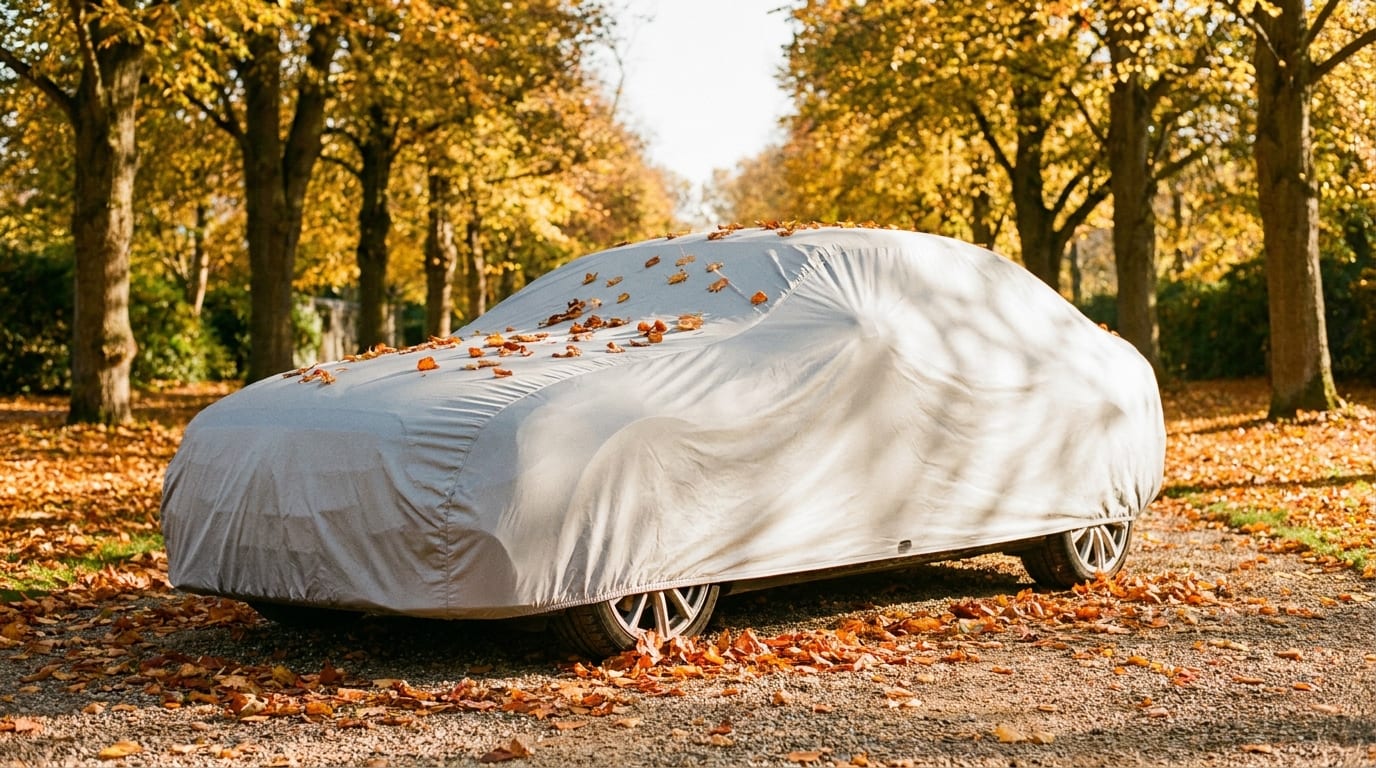
No, not the car itself. The actual damage from droppings and sap happens when the acidity sits on bare paint long enough to etch into the clear coat or cause discoloration. A cover puts fabric between that mess and your paint, so the etching risk goes away as long as the cover is there.
Here's the catch, though: the sap and droppings don't disappear, they just land on the cover instead. Left there for weeks, that stuff can start working into the cover's fabric the same way it would into paint, and it can transfer onto the paint during removal if it's really dried on. So the fix is simple: rinse it off the cover promptly rather than letting it accumulate. This is covered in more detail in how to clean a car cover, and it's worth a skim if you park under trees regularly.
Parking choice still counts for something, even with a cover on. Move the car away from overhanging branches when you can, and you'll rinse the cover far less often. It's a small habit, but it cuts maintenance on both ends.
What Are the Downsides of Using a Car Cover?
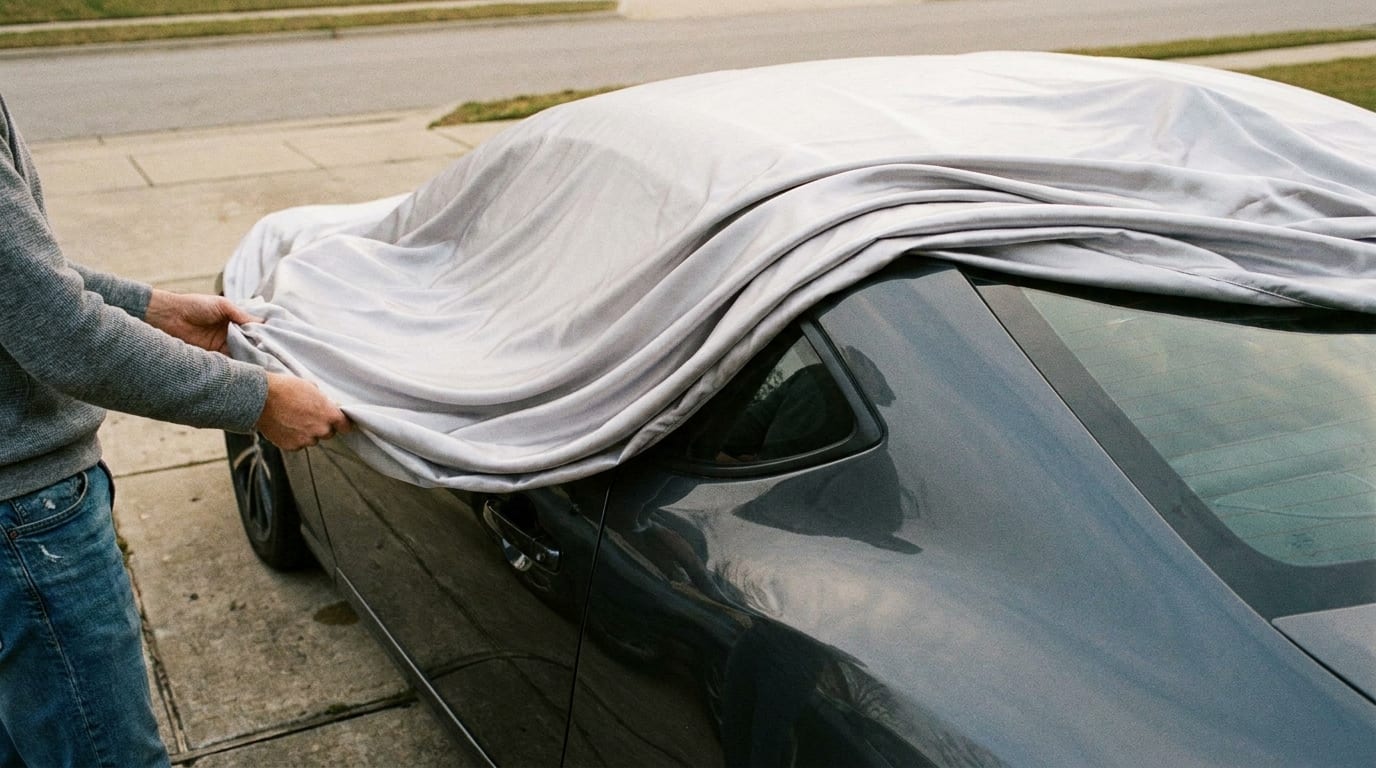
Covers aren't free of tradeoffs. Putting one on and taking it off daily costs real time, and a bulky cover needs somewhere to live when it's not on the car. Neither is a dealbreaker, but both are worth being honest about before you buy one expecting zero extra effort.
The bigger risk is throwing a cover over a dirty car. Dust and grit trapped between the paint and the fabric can grind against the clear coat every time the cover shifts in the wind, which is the opposite of what you want. A poorly fitted or cheap cover makes this worse, since it has more room to move and more loose fabric rubbing against the body. That's micro-scratching, and it builds up slowly enough that people don't notice until the paint looks dull.
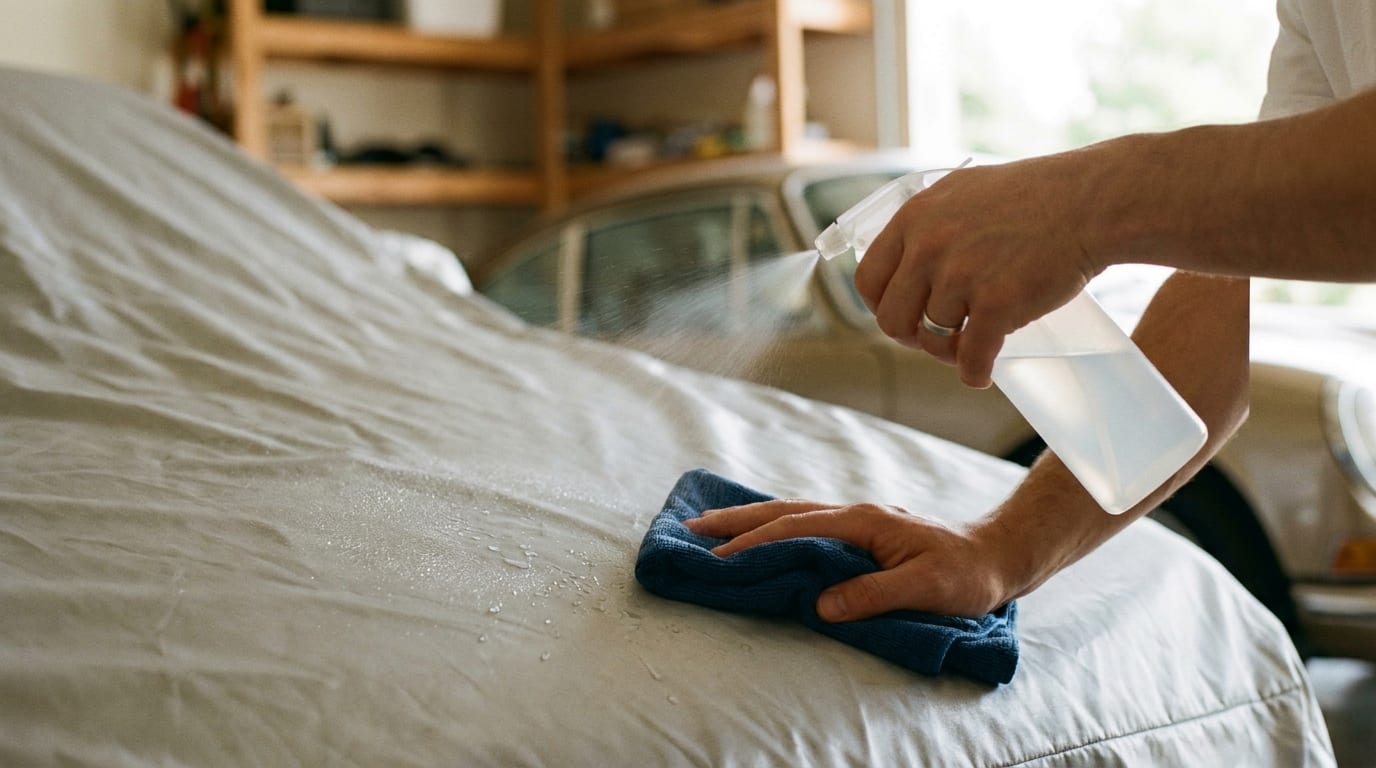
The cover itself needs upkeep too. A dirty cover pressed against a clean car for days just transfers grime right back. Washing it periodically, and following a proper installation guide so it's seated correctly, are both what separate a cover that reduces washing from one that quietly works against you.
How Often Should You Realistically Wash a Covered Car?
For a lot of covered cars parked in a garage or driveway, stretching to every three to four weeks instead of weekly is realistic. That's not a guarantee, it's a range, and it shifts a lot based on climate.
If you're outdoors in heavy pollen season, near a lot of trees, or in a coastal area with salt in the air, you'll still wash more often than someone with a garage-kept car under the same cover. The cover reduces the load, it doesn't erase the environment you're parking in. Someone in Phoenix dealing mostly with dust has a very different experience than someone in coastal Florida dealing with salt air and humidity, even with the same cover on.
One habit worth building: check under the cover every so often instead of assuming it's spotless. Trapped moisture or a bit of debris that snuck in at the edges can sit there unnoticed for a while, and that's exactly the scenario that causes problems instead of preventing them.
Is It Better to Cover a Car or Leave It Uncovered?
An uncovered car parked outside takes the full hit: UV fading, water spots baking into the clear coat, dust and pollen bonding to the surface day after day. That car needs washing more often, and it's more likely to need paint correction down the road because contaminants had direct contact with the finish for so long.
A covered car trades some of that exposure for a different chore, cleaning and properly fitting the cover. That's a fair trade for most people. Wiping down or rinsing a cover takes a few minutes. Correcting oxidized, etched paint takes a lot more than that, in time and money both.
If you're parking outside regularly, whether that's a driveway, a street spot, or a lot with no covered parking, a quality, well-fitted cover is generally the better tradeoff for paint longevity. It's also a direct answer to does a car cover reduce the need for frequent car washes: yes, and the alternative (no cover, full exposure) is the thing most people are actually trying to avoid. For more on why this matters long-term, why buy a car cover goes into the paint-protection side in more depth.
What Is the $3,000 Rule for Cars, and Does It Relate to Car Covers?
The $3,000 rule is an informal budgeting guideline some car owners use: if a repair or upgrade costs more than a certain threshold relative to what the car is worth, you weigh it against just replacing or living without that fix. It's not a law of physics, just a mental shortcut for deciding what's worth spending on.
It connects to car covers in a pretty direct way. Paint correction, clear coat repair, or a full respray after years of sun and contaminant damage can run into real money, sometimes well past what a lot of cars are worth. A cover costs a small fraction of that and delays or prevents the kind of damage that leads to those bills in the first place. Cheap insurance, basically.
Don't over-apply this one, though. It's context for why protecting the paint matters, not a formula to run every time you consider a $40 purchase.
Choosing a Cover That Actually Cuts Down on Washing
Fit and material do more work than price tag alone. A loose, one-size-fits-most cover flaps, lets debris in at the edges, and won't deliver the washing-reduction benefit you're paying for. A properly sized one will.
If you're parking outside regularly, look at outdoor car covers built for UV and weather exposure, and lean toward waterproof materials if rain or humidity is a factor where you live. For the tightest seal against dust and debris, a custom-fit option beats a universal one every time, since it's shaped to your specific vehicle instead of approximating it.
Worth browsing the full range of car covers by vehicle type if you're not sure which category fits your situation, and the car care section has more on keeping paint in good shape between washes, covered or not.
If you found this useful, stick around and check out more car care guides. There's always another small habit that saves a bigger repair down the line.
Frequently asked questions
Does a car cover reduce the need for frequent car washes?
Yes, a car cover blocks dust, pollen, bird droppings, tree sap, and rain spotting from settling on paint, so cars parked under one typically go longer between washes. It reduces frequency rather than eliminating the need to wash entirely.
How often should you wash a covered car?
Many covered, garage- or driveway-parked cars can stretch to every three to four weeks instead of weekly, though heavy pollen, dust, or coastal salt air will still require more frequent washing.
What is the $3,000 rule for cars?
It's an informal guideline for deciding whether a repair or protective investment is worth it relative to a car's value, often used as context for why low-cost protection like a car cover can prevent expensive paint correction later.