Winter mornings shouldn't start with ten minutes of scraping a windshield while your fingers go numb. So does a car cover stop ice from forming on the glass? Yes, a properly fitted car cover creates a physical barrier between your windshield and the cold night air and moisture that cause frost, so ice has nothing to bond to directly. How well it works depends on fit and whether the cover stays put overnight.
A cover that hugs the windshield area tightly and doesn't flap around in wind will block frost almost entirely. One that's loose, torn, or the wrong size for your vehicle leaves gaps where cold air sneaks through, and you'll still find patches of ice waiting for you. Beyond the obvious time savings, there's a less obvious benefit: skipping the scraper means skipping the risk of putting fine scratches in your glass, something that happens more often than people realize when they're in a hurry and pressing too hard with a cheap plastic edge.
How Does a Car Cover Prevent Windshield Ice?
Frost doesn't fall from the sky. It forms when moisture already sitting on your glass loses heat to the clear night sky faster than the surrounding air can warm it back up. That's called radiational cooling, and it's why windshields ice over even when the air temperature reading says it's a few degrees above freezing. Clear skies make it worse. Clouds act like a blanket; without them, your glass radiates heat straight out into space.
A car cover interrupts that process. It sits between the glass and the open sky, so the windshield isn't directly exposed to that heat loss. Underneath the fabric, a thin pocket of air stays slightly warmer than the air outside, which slows down how fast moisture on the glass can freeze.
Material matters here too. Breathable fabrics let trapped moisture escape instead of condensing and sitting against the glass all night, which is exactly the setup you want to avoid. A cheap tarp or a non-breathable cover can trap humidity underneath, and that moisture can end up freezing anyway once the temperature drops far enough. For a closer look at how outdoor covers handle wind, UV, and moisture together, this guide to using a car cover outdoors walks through the tradeoffs.
What Type of Cover Works Best for Ice Prevention?
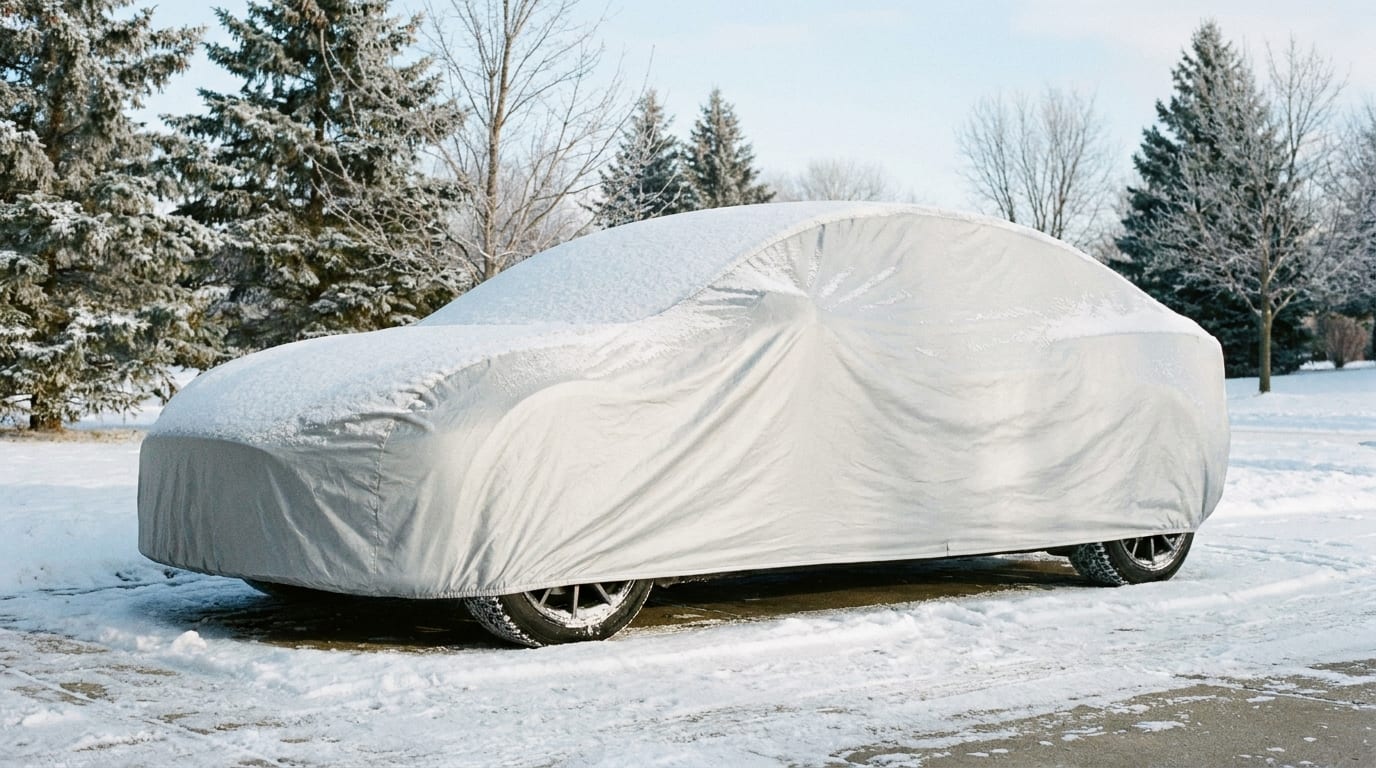
Not all covers are built for this job. A lightweight dust cover meant for a garage floor won't do much against a hard freeze. It's thin, it's not sealed well around edges, and it's not designed to handle condensation or wind at all.
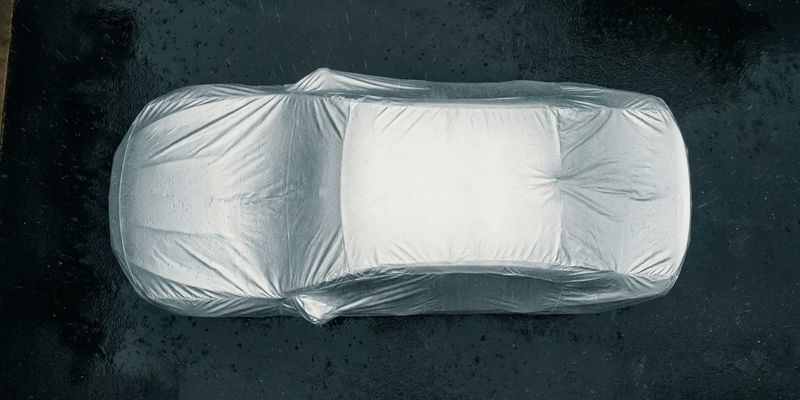
What you want is a multi-layer, outdoor-rated car cover built to handle temperature swings, not just dust. A custom-fit cover matters more than people expect in cold weather specifically, because it seals tighter around the windshield, mirrors, and side panels. Less gap means less room for wind-driven snow or ice to work its way underneath while you sleep.
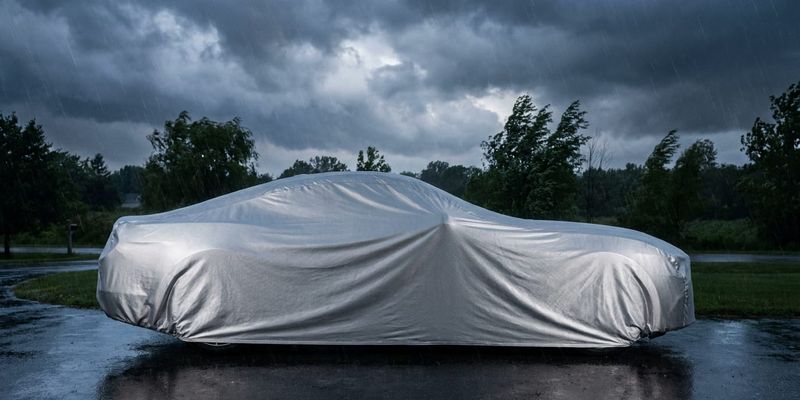
The outer shell matters just as much. A waterproof car cover keeps melted frost or light snow from soaking through the fabric and refreezing directly against the glass, which is one of the more frustrating failure modes: you wake up expecting a clear windshield and instead find a sheet of ice that formed under the cover itself. If you're trying to figure out which fabric actually fits your climate, this breakdown of car cover materials is worth a few minutes.
One honest note: material choice matters a lot more if you live somewhere with freeze-thaw cycles, where temperatures bounce above and below freezing repeatedly. In a climate that's just steadily cold, a simpler outdoor cover will usually get the job done. Browse the full range of car covers if you're not sure where to start.
Does a Cover Stop All Frost, or Just Reduce It?
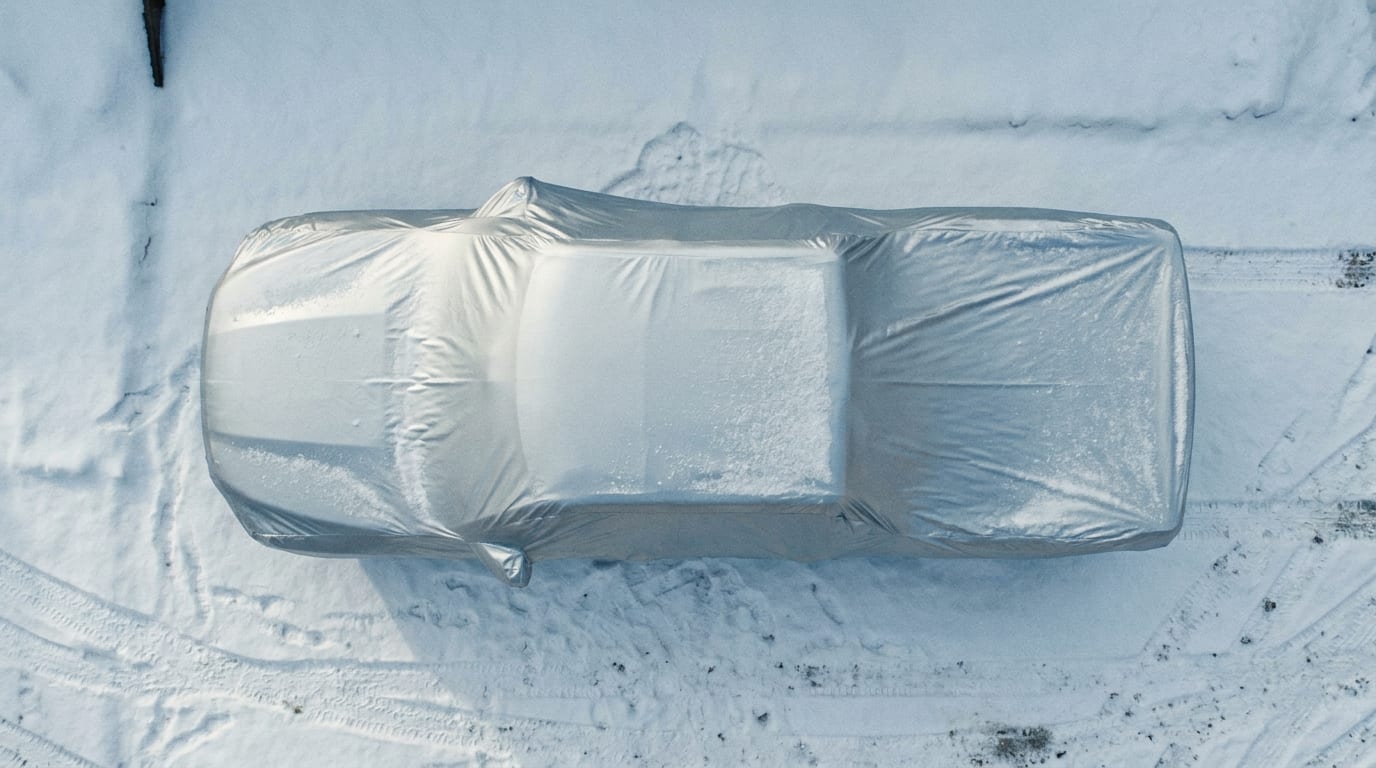
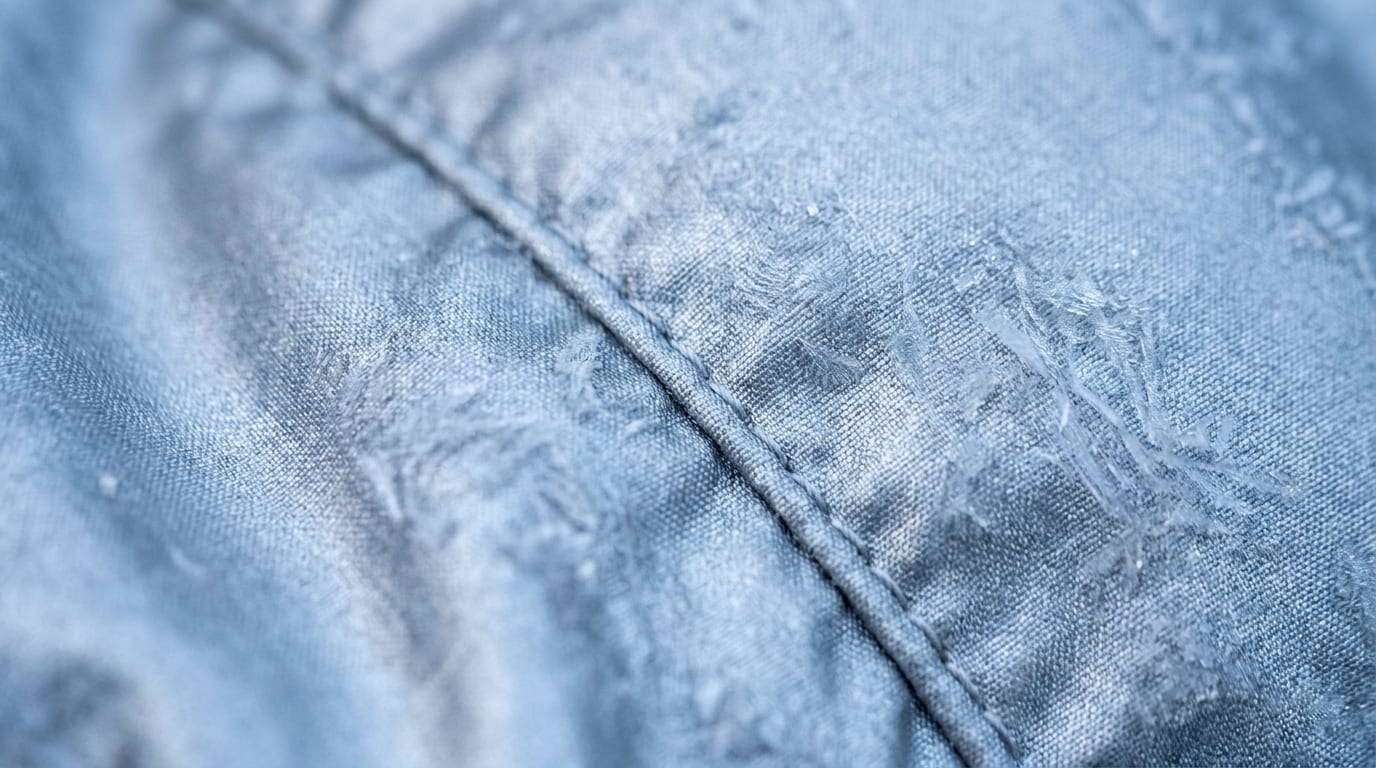
Let's set expectations correctly. A good cover will cut down ice buildup dramatically, but it's not a forcefield. During an extreme cold snap or a night of freezing rain, you might still find a thin ribbon of frost along an exposed seam or edge where the cover doesn't sit perfectly flush. That's normal. It's also a lot less work to clear than a fully iced windshield.
A cover also only protects what it actually touches. It won't stop ice from forming on the ground, your tires, or your side mirrors if those parts aren't fully wrapped. People sometimes expect head-to-toe protection from a cover that was never designed to reach that far down.
And here's the thing that trips people up most: fit quality decides almost everything. A loose cover, or one with a rip near a seam, creates exactly the kind of gap that cold air needs to sneak through. Does a car cover stop ice from forming on the glass in that scenario? Only partially. The cover is doing its job everywhere it makes contact. It just can't protect what it doesn't cover.
Are There Situations Where a Car Cover Won't Help With Ice?
A few scenarios will undercut even a well-made cover:
- Wind lifts the cover off the windshield overnight. If straps or the elastic hem aren't secured properly, a gust can shift the whole cover just enough to expose the glass by morning.
- Heavy wet snow piles up and drags the fabric down. Enough weight in the wrong spot pulls the cover away from the windshield, creating a gap right where you need coverage most.
- Using an indoor cover outside. Indoor covers are built for dust and light scratches in a controlled space, not freezing moisture. They weren't designed for this job, so don't expect outdoor results from one.
- Parking under trees or near sprinklers. Extra moisture from dripping branches or a sprinkler system running overnight can overwhelm a cover's ability to shed water before the temperature drops enough to freeze it.
None of these mean the cover doesn't work. They just mean conditions beat the setup, which is a different problem than the cover itself being ineffective.
How Do You Use a Car Cover for Maximum Ice Protection?
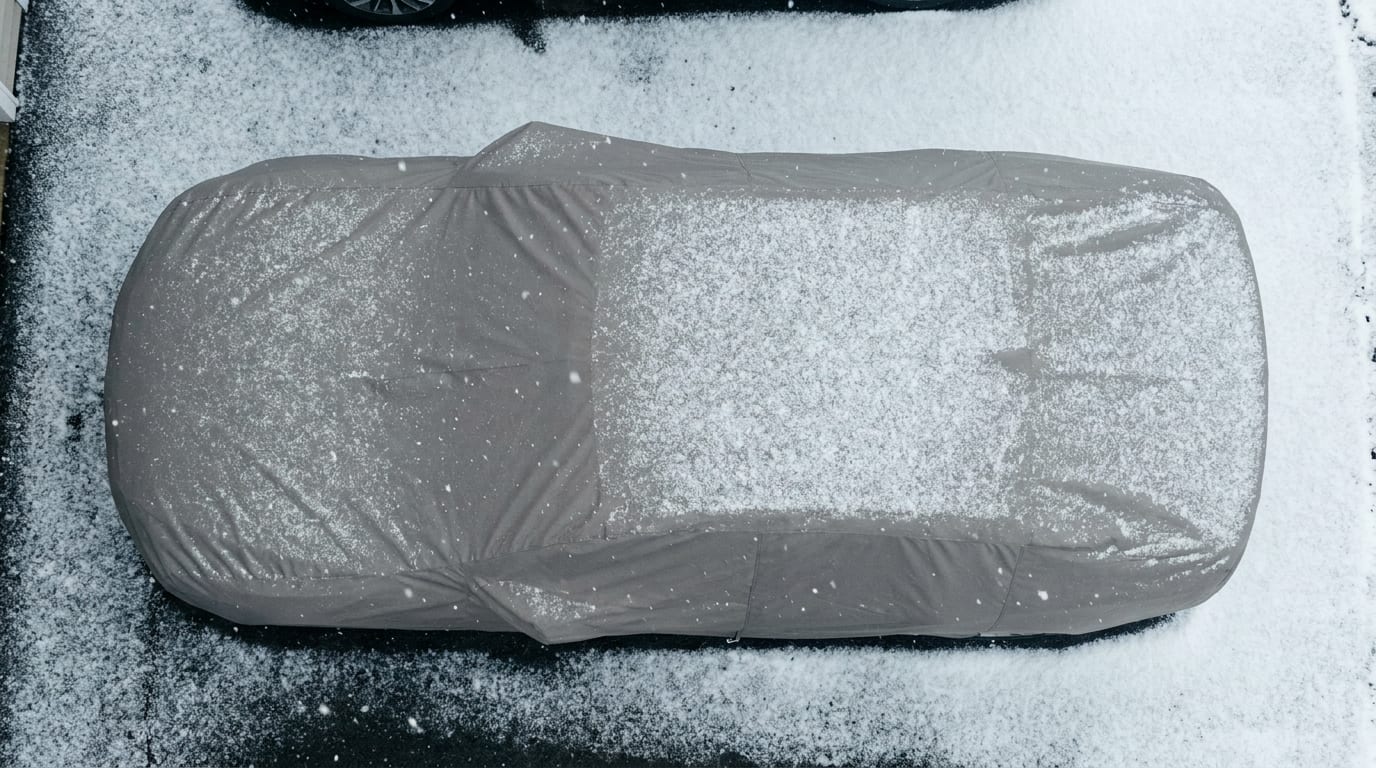
Getting the ice-blocking benefit out of a cover isn't complicated, but a few habits make a real difference.
Secure it properly. Straps, buckles, or a tight elastic hem keep wind from lifting the edges overnight, which is the single most common reason people wake up to a frosted windshield despite using a cover. A loose fit basically cancels out the benefit. If you're new to this, this installation guide covers the basics in a few minutes.
Make sure it's dry before you put it on. Throwing a damp cover over the car traps that moisture against the glass and paint, and in freezing temperatures, that moisture just turns into the exact problem you're trying to avoid.
Get the right size. A universal "fits most" cover often leaves slack around the windshield specifically, which is the worst place for a gap. Checking your vehicle's exact cover size before buying saves you from fighting a cover that never quite sits right.
In the harshest climates, pairing a full car cover with a dedicated windshield cover or sunshade adds a second layer of defense right where ice forms fastest. It's a small extra step, but it closes the one gap a full-body cover sometimes can't fully seal on its own.
Protect Your Glass All Winter Long
A good outdoor cover is one of the lowest-effort upgrades you can make to your winter routine. No more ten-minute scraping sessions before work, no more risking scratches on cold glass. Get the fit and material right, and most mornings you'll just pull the cover off to a clear windshield underneath.
If you're curious how a cover stacks up against cheaper fixes like a tarp, it's worth a quick read before you decide what to buy. Otherwise, take a look through our winter-ready cover options and find one sized for your exact vehicle. It's a small change that pays off every single frosty morning.
Frequently asked questions
Does a car cover stop ice from forming on the glass?
Yes, a properly fitted car cover creates a barrier between the windshield and cold night air and moisture, preventing frost and ice from bonding directly to the glass. Effectiveness depends on how well the cover fits and stays secured overnight.