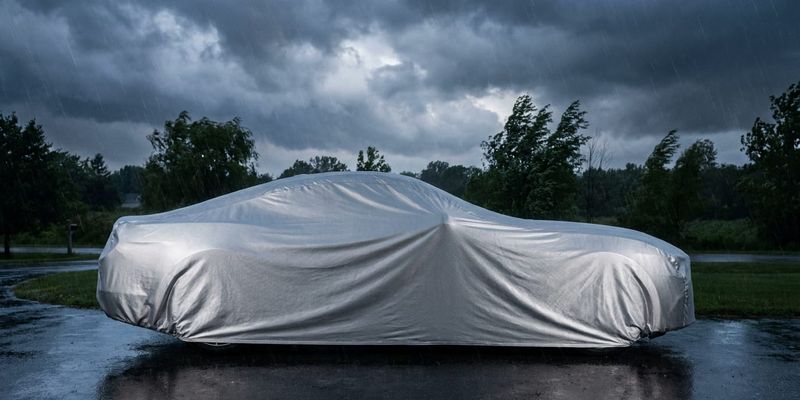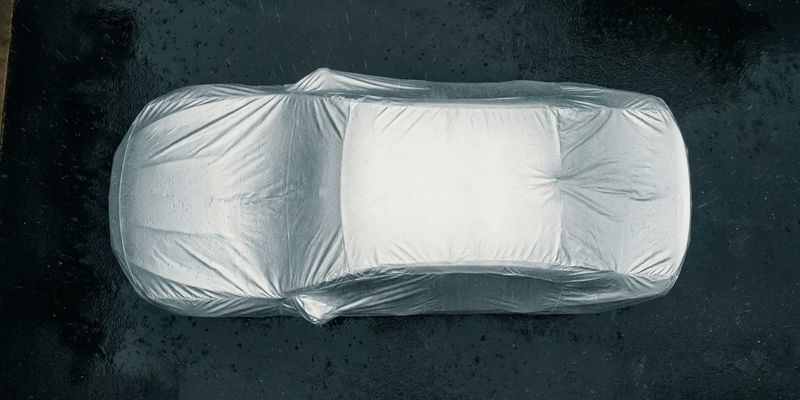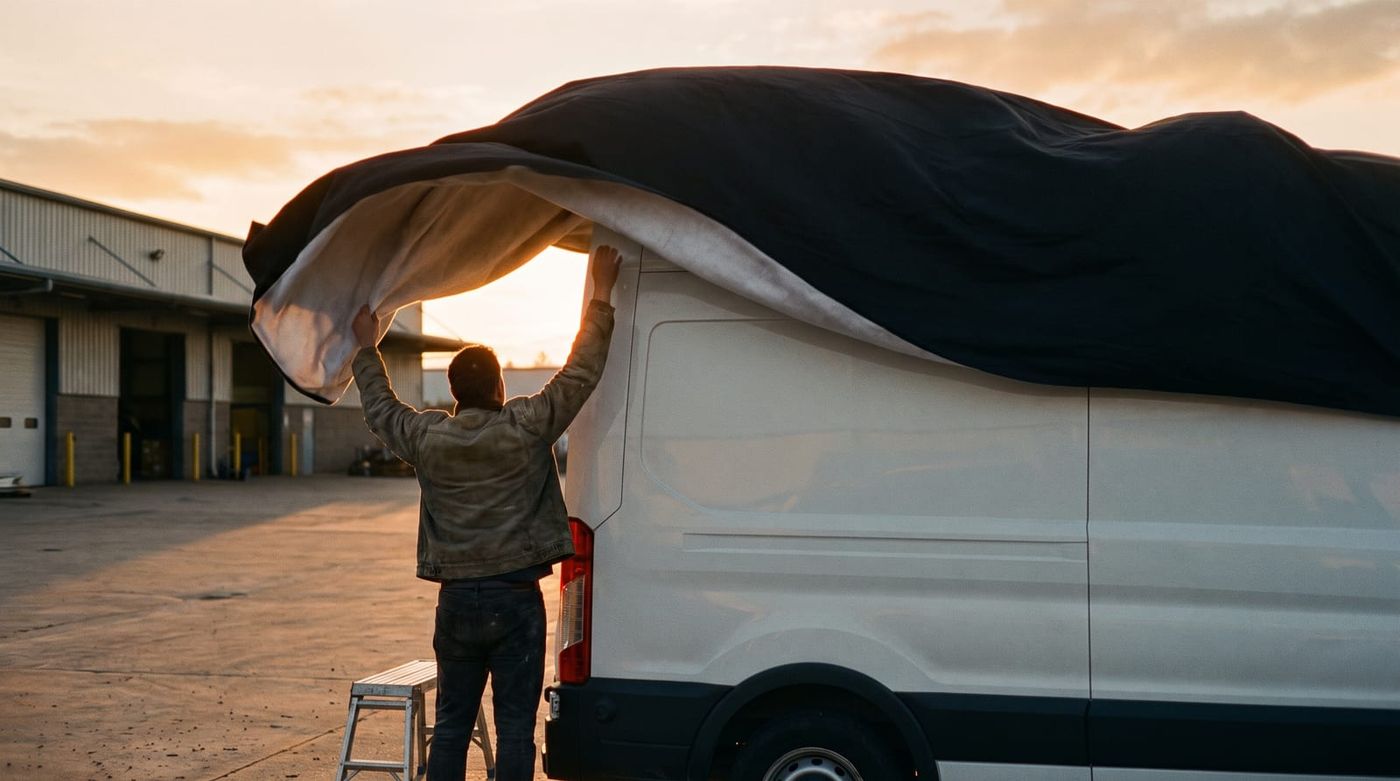
Yes, most car covers will work over a roof rack, but fit and fabric matter more than people expect. A universal cover can gap or stretch around crossbars, and that extra slack is exactly what causes abrasion over time. Custom-fit covers, cut closer to a vehicle's actual body lines, generally handle a permanent rack setup better than one-size-fits-all options. The real question isn't whether a car cover works with a roof rack installed, it's whether the one you're using is built to survive the contact points a rack creates.
Does a car cover work with a roof rack installed?
Short answer: yes, in most cases. A car cover will drape over a roof rack without ripping on day one, and plenty of owners run covers over racks for years without issue. The catch is that universal covers aren't shaped to a specific roofline, so they leave loose fabric that has to stretch or tent around the crossbars. That slack is where problems start.
Custom-fit covers are a different story. Because they're cut to match factory body lines, there's less excess material hanging around the rack hardware in the first place, which means less movement and less friction. Whether a cover holds up long-term with a rack installed really comes down to two things: how heavy the fabric is, and how snugly the cover sits against the rack itself. A thin cover sitting loose against metal brackets is a slow-motion problem. A heavier fabric sitting tight against the same brackets usually isn't.
Will a roof rack damage or puncture my car cover?

It can, but it's rarely a one-time event. Sharp edges, exposed bolts, and crossbar brackets don't punch through cover fabric on day one. They wear it down gradually, rubbing the same spot over and over until a pinhole opens up or the material thins out enough to tear.
Wind is usually the real culprit here, not the rack itself. A cover that fits loosely will flap in the wind, and every flap drags fabric back across the same rack mounting points. It's repetitive friction, the kind that adds up over weeks of outdoor storage rather than showing up overnight. A cover sitting snug and still around a rack almost never sees this kind of wear, which is why fit keeps coming back as the deciding factor.
Fabric weight matters too. Thinner universal covers show wear at rack contact points noticeably faster than heavier, multi-layer fabrics designed for outdoor use. If you're keeping a rack on long-term, it's worth lifting the cover every few weeks and checking the underside near the rack feet and crossbars. Fraying threads or a slightly thin, shiny patch of fabric are early warnings, and they're a lot cheaper to deal with than a full tear.
Do I need a custom-fit cover or will a universal cover work with a roof rack?
Depends on how often that rack stays on. For occasional use, a universal cover is fine. For anything permanent, custom-fit is the safer bet.
Custom-fit car covers are molded to a specific make and model, which means there's a lot less loose fabric floating around to snag on rack feet or bunch up at the crossbars. Universal and semi-custom covers cost less upfront, sure, but that savings comes with extra material that has to go somewhere. Usually that somewhere is right at the rack, where it bunches, catches wind, and starts the abrasion cycle described above.
If your vehicle keeps a rack mounted year-round for cargo boxes, kayaks, or bike mounts, that's exactly the scenario where custom-fit earns its price difference. Not sure which fit category your vehicle falls into? The sizing guide for car covers walks through how to measure and match a cover to your specific roofline, racks included.
How do I install a car cover over a vehicle with a roof rack?
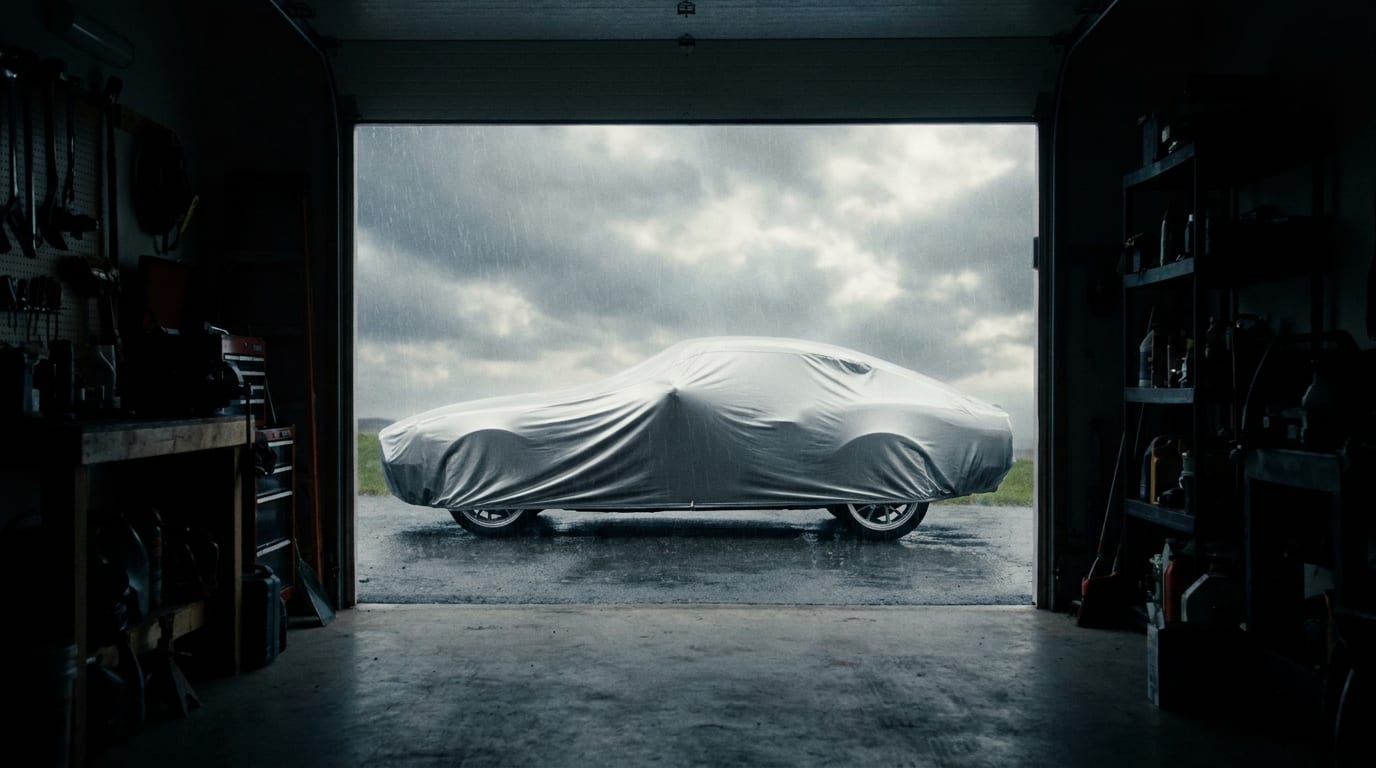
Installation doesn't change much with a rack on, but the order of operations does matter. Start at the roof and work the cover down evenly on both sides, rather than yanking it from the front or back. Pulling from one end tends to drag fabric across the rack's full length, which is the opposite of what you want.
Once the cover's roughly in place, smooth it by hand over the crossbars. You're looking to remove tenting, those little peaks of fabric that catch wind like a sail and start flapping against the rack the second a breeze picks up. A few extra seconds here saves a lot of wear later.
From there, it's the same process as any other install: secure the straps and grommets underneath the vehicle, checking that nothing near the rack is creating an awkward pull point that tugs the fabric sideways. For the full step-by-step rundown, the general car cover installation guide and the quick installation walkthrough cover the baseline process. Just adapt the roof section to work around your rack's hardware instead of pulling fabric straight across it.
What cover features help protect fabric around a roof rack?
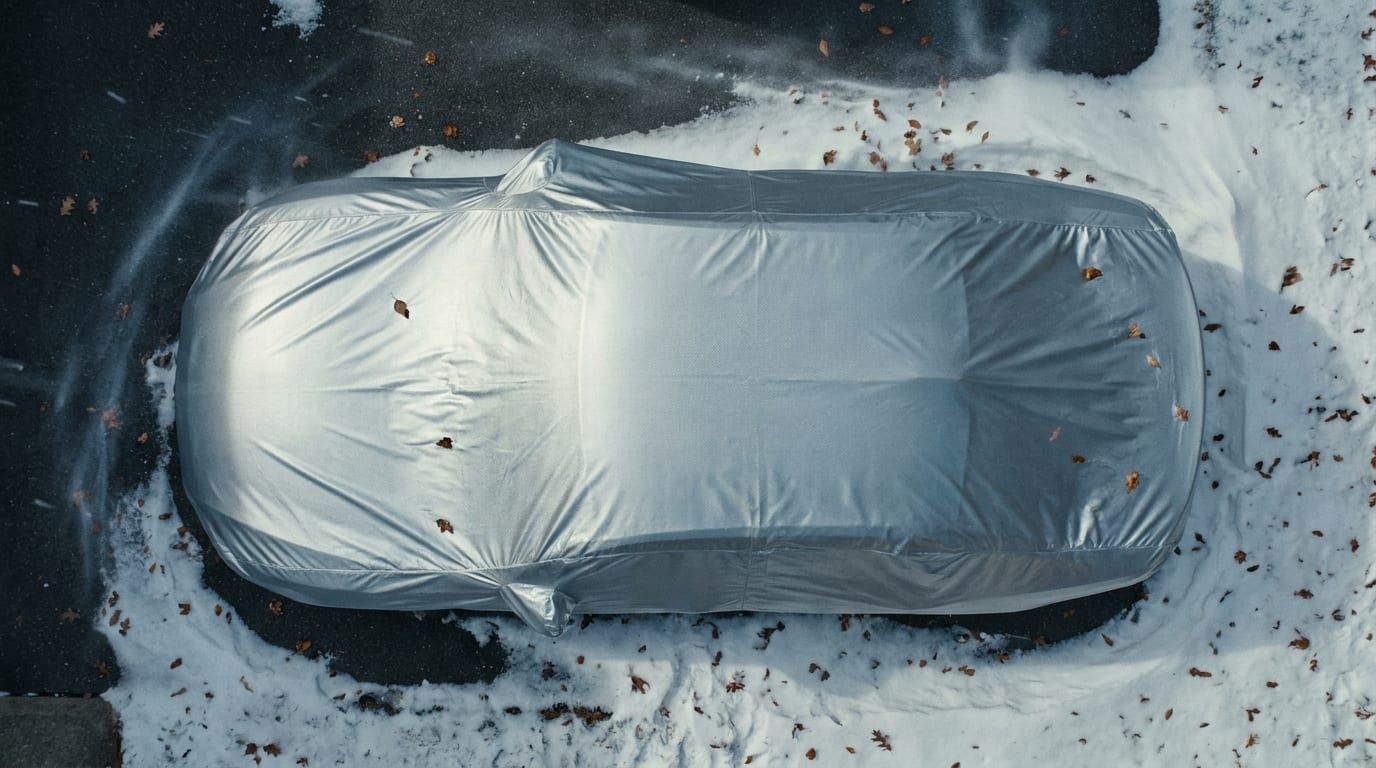
Not all fabric handles a rack the same way, so a few features are worth looking for specifically if yours stays mounted.
Multi-layer or heavier-denier fabrics simply resist abrasion better than single-layer budget materials. That's not a minor spec, it's the main thing standing between your cover and a slow-forming hole at the crossbar line. Covers with reinforced panels or double-stitched seams near the roofline add extra resistance exactly where rack contact is heaviest, which is a small design detail that matters a lot more than it sounds.
Breathability counts too. A waterproof car cover that still lets moisture escape keeps water from pooling against the rack mounts underneath, where it can sit trapped and cause corrosion or mildew you won't notice until you pull the cover off. And if you can find a cover with a soft fleece or felt lining at contact points, grab it. That lining cuts friction right where the rack touches fabric, which is the whole battle.
Can I still use wind straps and cable locks with a roof rack installed?
Yes, neither one changes because there's a rack on the roof. Gust straps and wind straps still route underneath the vehicle exactly like they would on a bare roofline, and their whole job is keeping the cover's edges from lifting in wind, which is the main thing causing rack-related wear in the first place. A cover that's cinched down tight with straps just doesn't flap, rack or no rack.
Cable locks work the same way too. They thread through grommets near the bumpers, nowhere near the roof, so a rack up top has zero effect on how they're installed or how well they hold. If you want the specifics on routing and tensioning, the gust strap installation guide and the cable lock installation guide cover the mechanics step by step. Honestly, straps are probably the single cheapest fix for rack-related cover wear, since a taut cover just doesn't move enough to rub.
Choosing a cover for a vehicle that keeps its roof rack on
So does a car cover work with a roof rack installed? Yes, but the real answer is in the details: fit and fabric weight matter far more than whether a rack exists at all. A tight, heavy-duty cover barely notices the rack is there. A loose, thin one will eventually show it.
If your rack is a daily fixture, lean toward a custom-fit, multi-layer cover built for the long haul. Save universal covers for occasional or short-term coverage, like a weekend where the rack's only on temporarily. Either way, keeping the cover snug with straps and checking it periodically goes a long way toward making that choice last.
Worth browsing the full range of car covers built for different budgets and fit levels before deciding, and if you want more guides like this one, keep an eye on the blog for new posts as they go up.
FAQ
Does a car cover work with a roof rack installed? Yes. Most covers drape fine over a roof rack, though custom-fit, heavier fabric covers hold up better long-term than loose universal ones.
Will a roof rack damage my car cover over time? It can, mainly through repeated wind-driven friction against crossbars and brackets rather than a single puncture event.
Should I buy a custom-fit cover if I keep my roof rack on permanently? Yes, custom-fit covers reduce the loose fabric that bunches or snags around rack hardware, making them the better long-term choice for permanent racks.
Can I still use wind straps with a roof rack installed? Yes, wind straps route underneath the vehicle the same way regardless of what's mounted on the roof, and they help prevent the flapping that wears down fabric near the rack.