Noah Fabric vs Polyester Car Cover: Which Material Actually Protects Better?
Published

The Quick Verdict
Here's the short version: Noah fabric is a multi-layer, breathable, premium-weight material built to live outside through rain, sun, and snow without flinching. Polyester is lighter, cheaper, and perfectly fine for mild weather or a car that spends most of its life in a garage. Neither one is the "wrong" answer, it depends on where your car actually sits most nights.
If you park outside year-round, or your region throws serious weather at you, Noah fabric is the safer bet. If you're mostly covering up for dust, pollen, or the occasional overnight outdoors, polyester does the job without the extra cost. The noah fabric vs polyester car cover decision really comes down to matching the material to your storage reality instead of chasing whichever one sounds more premium.
Noah Fabric vs Polyester Car Cover: Side-by-Side Comparison Table

Specs tell the story faster than paragraphs do here, so let's lay it out.
| Factor | Noah Fabric | Polyester |
|---|---|---|
| Waterproofing | Layered/laminated build sheds rain and resists moisture over time | Water-resistant at best unless specially coated |
| Breathability | Lets trapped condensation escape while blocking rain | Can trap moisture if uncoated or unvented |
| UV/fade resistance | UV-stabilized layers for prolonged sun exposure | Lower-grade versions fade and degrade faster |
| Durability | Multi-layer density holds up to years of daily outdoor use | Wears faster with repeated on/off handling, especially single-layer |
| Weight/bulk | Heavier, bulkier to fold and carry | Lighter, easier to handle solo |
| Climate fit | Built for heavy rain, snow, intense sun | Fine for mild, dry climates or covered storage |
| Price | Higher upfront cost | Lower upfront cost |
| Best storage use | Daily outdoor exposure | Garage, carport, or occasional outdoor use |
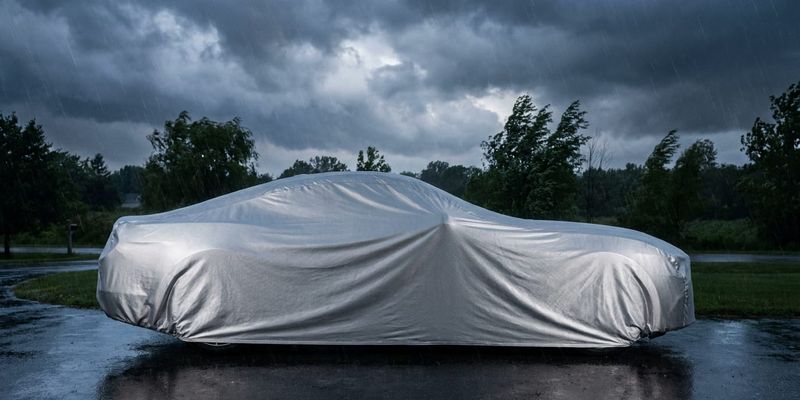
Waterproofing is where the gap shows up fastest. Noah fabric's layered construction is designed to shed rain and keep moisture from working its way through, while standard woven polyester is usually water-resistant rather than fully waterproof unless it's been treated or coated. That one distinction drives a lot of the rest of the table.
Breathability matters more than people expect. A cover that blocks rain but traps humidity underneath is basically growing mold on a schedule. Noah fabric is built to vent that moisture out while still keeping rain from getting in, which is a big part of why it holds up in long-term outdoor storage. Basic polyester, especially anything uncoated, doesn't always manage that balance, so condensation can linger if the cover isn't removed and aired out regularly.
UV exposure is the other long game. Lower-grade polyester can fade and weaken under constant sun, while Noah fabric typically includes UV-stabilized layers meant for exactly that kind of daily beating. If your car sits in direct sun for hours at a stretch, that's not a small detail.
Weight is the one spot where polyester wins outright. It's lighter, folds down smaller, and is easier to wrestle on and off by yourself, no argument there.
What Is Noah Fabric, Exactly?

Noah fabric isn't a single textile, it's a multi-layer composite built specifically for vehicle covers. Instead of relying on one material to do everything, it combines separate layers for water resistance, breathability, and UV protection into one cover.
The practical upshot: a cover that keeps doing its job through rain, sun, and swinging temperatures without you needing to pull it off every other day to let things dry out. That's the whole point of a layered construction, each layer handles a different threat instead of one fabric trying to do all of it at once.
Because of that build, Noah fabric sits toward the premium, heavy-duty end of the cover lineup. It's aimed at owners who park outside full-time and need a cover that can handle it, not someone covering a car in the driveway once a month.
What Is a Polyester Car Cover?
Polyester is one of the most common fabrics in the car cover world, and for good reason. It's lightweight, affordable, and easy to handle, which makes it an easy entry point for anyone who just wants basic protection.
Not all polyester covers are the same, though. Some are treated or coated to add water resistance, pushing them closer to Noah-level performance in milder conditions. Others are more basic, built more for keeping dust and light UV exposure off the paint than for standing up to real weather.
Where polyester earns its keep is everyday use: short-term parking, quick coverage between errands, or as a budget-friendly option for a car that's mostly stored indoors anyway. If you want a deeper breakdown of indoor-specific needs, the indoor car cover guide is worth a look before you commit to a material.
How to Decide Which Material Fits Your Situation
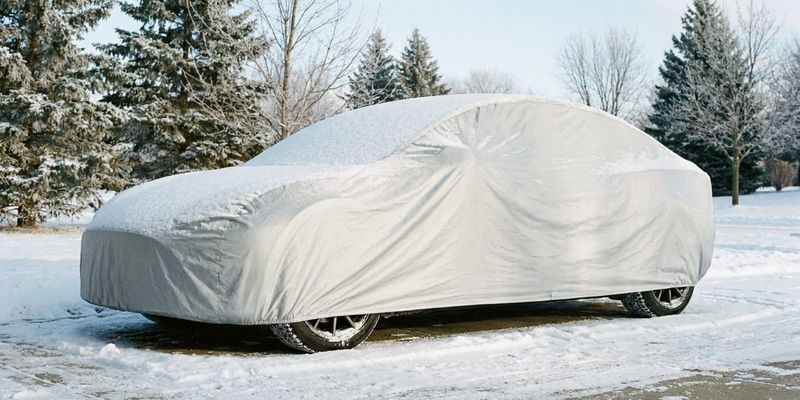
Start with climate. Frequent rain, snow, or brutal sun points you toward Noah fabric. Mild, dry weather, or a car that's mostly garaged, makes polyester a perfectly reasonable choice. There's no prize for over-buying protection you don't need.
Next, think about storage habits honestly. A car left outside daily or weekly needs the extra protection Noah fabric offers. A cover used occasionally, or on a car that's indoors most of the time, can get by fine with polyester. For a closer look at how outdoor exposure changes the equation, the guide to using a car cover outdoors covers wind, UV, and rain specifically.
Then there's the budget-versus-longevity trade-off. Polyester costs less upfront. Noah fabric costs more but you're not replacing it as often if your car lives outside. Frame it as one bigger purchase now versus several smaller ones over the years, whichever fits your situation better.
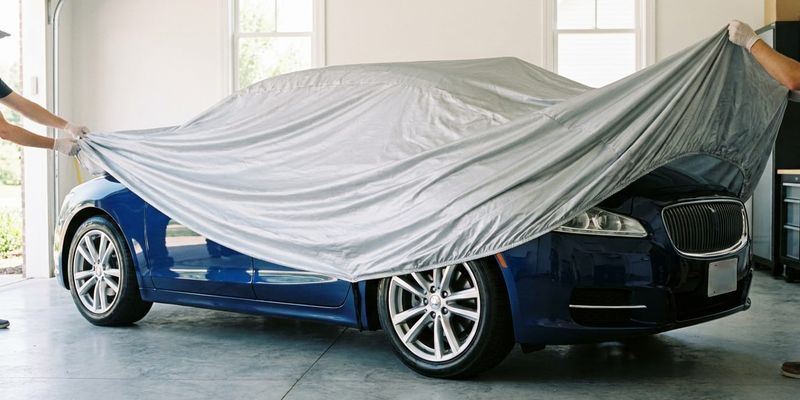
Handling matters too. If you're the one folding and installing the cover solo every day, polyester's lighter weight is a real advantage, even if it means trading off some weather protection.
And if waterproofing specifically is your main concern rather than the full feature set, it's worth reading up on waterproof car covers directly, since "waterproof" gets used loosely across the industry and it helps to know what you're actually buying.
Care Tips for Either Material
Material choice only gets you so far, care habits do the rest. Both Noah fabric and polyester last longer when you skip harsh detergents and avoid machine washing on high heat. Stick to mild soap and a hose or a bucket.
Let the cover dry fully before folding it up. This matters more for less-breathable polyester, since trapped moisture under a cover that doesn't vent well is a fast track to mildew. Noah fabric's breathability helps here, but it's not an excuse to skip drying entirely.
Check the seams, elastic hems, and grommets every so often, no matter which material you're using. Wear starts at these stress points first, long before the main fabric panel shows any damage. For a full rundown on keeping a cover in shape, the car cover cleaning guide walks through the specifics.
Final Take and Next Step
Noah fabric for serious, year-round outdoor protection. Polyester for lighter use and lighter budgets. That's really the whole noah fabric vs polyester car cover debate in one sentence.
Match the material to your actual storage conditions, not to whatever sounds the most impressive on a product page. A premium cover wasted on a garage-kept car is money you didn't need to spend, and a budget cover on a car parked outside through winter is a problem waiting to happen.
If you're not sure which fits your vehicle, it's worth browsing car covers to see the material and fit options side by side before you decide. And if you want ongoing advice on keeping your car protected through whatever your climate throws at it, stick around and explore more of what's on the blog.