Silver Reflective vs. Black Car Cover: Which One Actually Protects Better?
Published
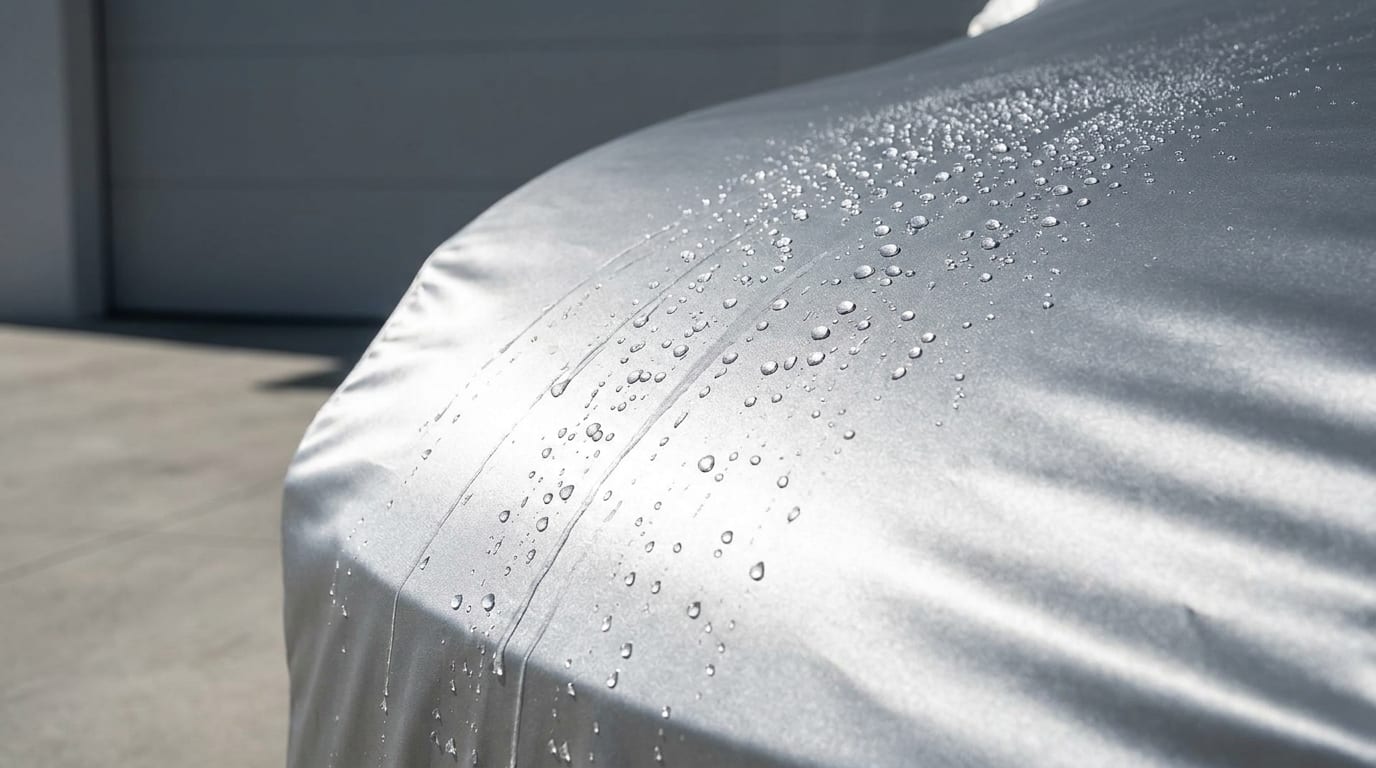
The Quick Verdict
If your car lives outside and bakes in the sun most days, go silver reflective. If it's tucked in a garage or under a carport, black satin is the better match. That's the whole decision, really, once you strip away the marketing noise.
Here's the thing people miss when they're weighing silver reflective vs black car cover options: waterproofing, breathability, and how well the cover actually fits your vehicle come from the fabric tier, not the color. A silver reflective cover and a black cover built on the same fabric platform will perform identically in rain and wind. Color changes how the cover handles heat and sun, not whether water gets through the seams. Price-wise, don't overthink it either. Silver and black versions of the same tier are usually priced within a few dollars of each other, so cost isn't a real tiebreaker.
One more thing worth saying up front: this isn't a "which one is objectively better" argument. It's a finish decision tied to where you park. Both have a job to do, and each does it well in the right setting.
Silver Reflective vs. Black Car Cover: Side-by-Side Comparison
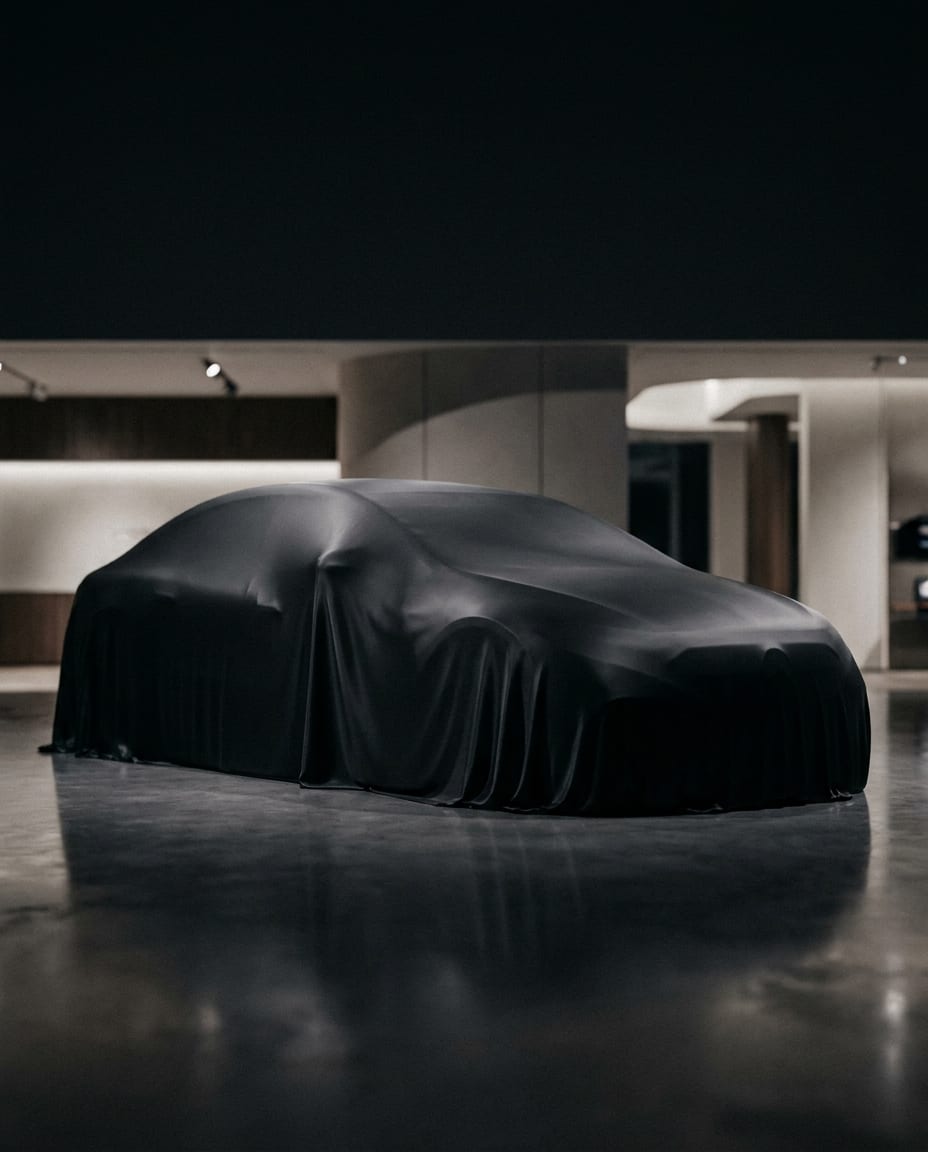
Laid out next to each other, the differences come down to a handful of practical dimensions. Here's how they stack up.
| Dimension | Silver Reflective | Black |
|---|---|---|
| UV/heat reflection | Bounces sunlight, reduces surface heat buildup | Absorbs heat, transfers warmth to paint and interior |
| Visible dirt/dust/pollen | Hides fine dust and pollen residue better | Shows dust and pollen more visibly between washes |
| Fading/colorfastness | Resists sun-bleaching outdoors | Fades or chalks faster under constant UV |
| Best parking situation | Outdoor, high-sun, hot climates | Indoor, garage, or covered carport |
| Aesthetic | Utilitarian, built for daily protection | Sleeker, more formal, favored for display |
| Typical price | Comparable to black within the same tier | Comparable to silver within the same tier |
The real split is climate and parking, not quality. A silver reflective cover isn't "more premium" than a black one. It's just doing a different job: fighting sun instead of looking sharp in a climate-controlled garage. For outdoor-rated options built around this, it's worth browsing outdoor car covers directly rather than guessing from specs alone.
Why Color Affects Heat and UV Protection

This part's just physics, not marketing. Darker fabrics absorb more solar energy and radiate that heat downward onto your car's paint and glass. Reflective silver fabric works the opposite way, bouncing a larger share of sunlight back off the surface instead of soaking it in.
For a car parked outside all day, that difference adds up. Accelerated clear-coat fading, a dashboard that starts cracking years before it should, a cabin that's noticeably hotter when you finally pull the cover off. All of that tracks back to how much solar energy the cover itself is absorbing and re-radiating onto the vehicle. If you're also thinking about longer-term paint protection, it's worth reading up on paint protection options beyond just the cover.
This is exactly why silver and two-tone covers are the default recommendation in sun-heavy regions. The Southwest, the South, anywhere with high-altitude sun hitting a car with real intensity. None of that matters much for a car tucked into a garage, though. Indoor covers aren't fighting direct UV exposure, so the reflective coating isn't doing much work in there. It's solving a problem that doesn't exist indoors.
Which Cover Fits Your Climate and Parking Situation
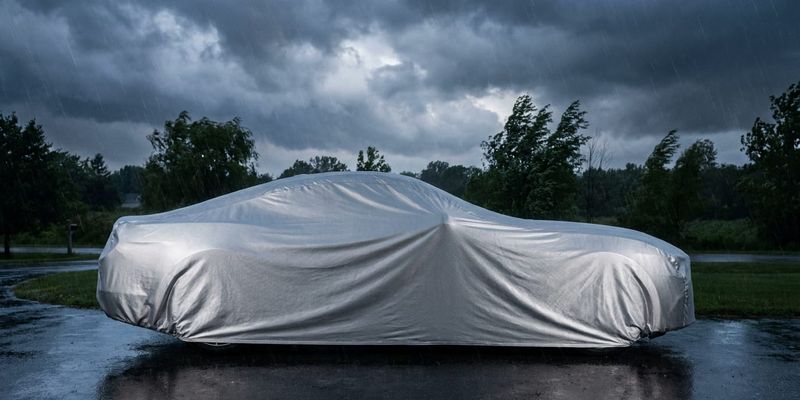
Parked outside, full sun, every day? A silver reflective, waterproof outdoor-rated cover is the one that actually earns its keep, handling UV, rain, and temperature swings all at once. Check the full guide on using a car cover outdoors if you want the detail on wind straps and fit in that scenario.
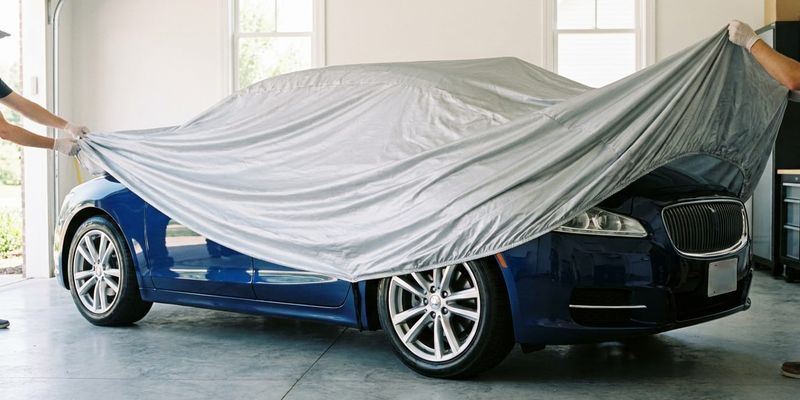
Garage or indoor storage is a different conversation entirely. Indoor car covers in black satin prioritize a soft, non-abrasive lining over weatherproofing, because they're simply never exposed to rain or sun. There's no reason to pay for UV reflection you'll never use. The indoor black satin cover option exists for exactly this: a snug, soft finish for a car that never sees weather.
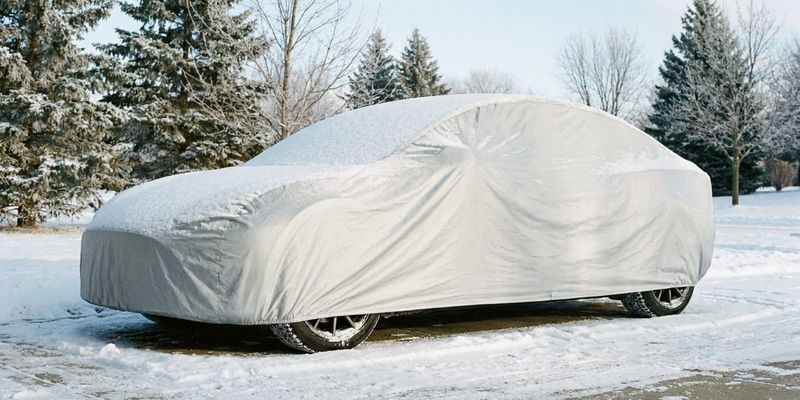
Mixed climates (sun for half the year, rain or snow the rest) are where color matters least. What you actually need there is a solid waterproof car cover, regardless of whether it's silver or black. The fabric's waterproofing is doing the heavy lifting, not the finish.
And if you're in a hail-prone region, don't confuse heat reflection with impact protection. They're not the same thing. A reflective cover won't do anything for hail dents. That's a job for a dedicated hail car cover, layered on regardless of which color you pick for daily use.
Which Cover Fits Your Vehicle and Goals
Daily drivers parked outside get the most out of silver's reflective properties, simply because they're out in the sun every single day, not just sitting in storage between drives. That daily exposure is where the heat-reflection benefit actually compounds.
Collector cars, garage queens, and show cars are a different story. Kept indoors, they benefit more from black satin's finish and the fact that it never sees outdoor grit or abrasive dust. Less exposure means less wear on the lining over time, and the satin look just suits a car that's meant to be admired, not just protected.
If fading or clear-coat damage from sun exposure is your actual worry, reflective fabric is the more protective pick, full stop. That's the whole point of the coating.
And here's a detail worth calling out: dark-colored vehicles parked outside in hot climates have the most to gain from a reflective cover. Dark paint already absorbs more heat on its own. Stack a black cover on top of that and you're compounding the problem instead of solving it.
Care and Maintenance Differences
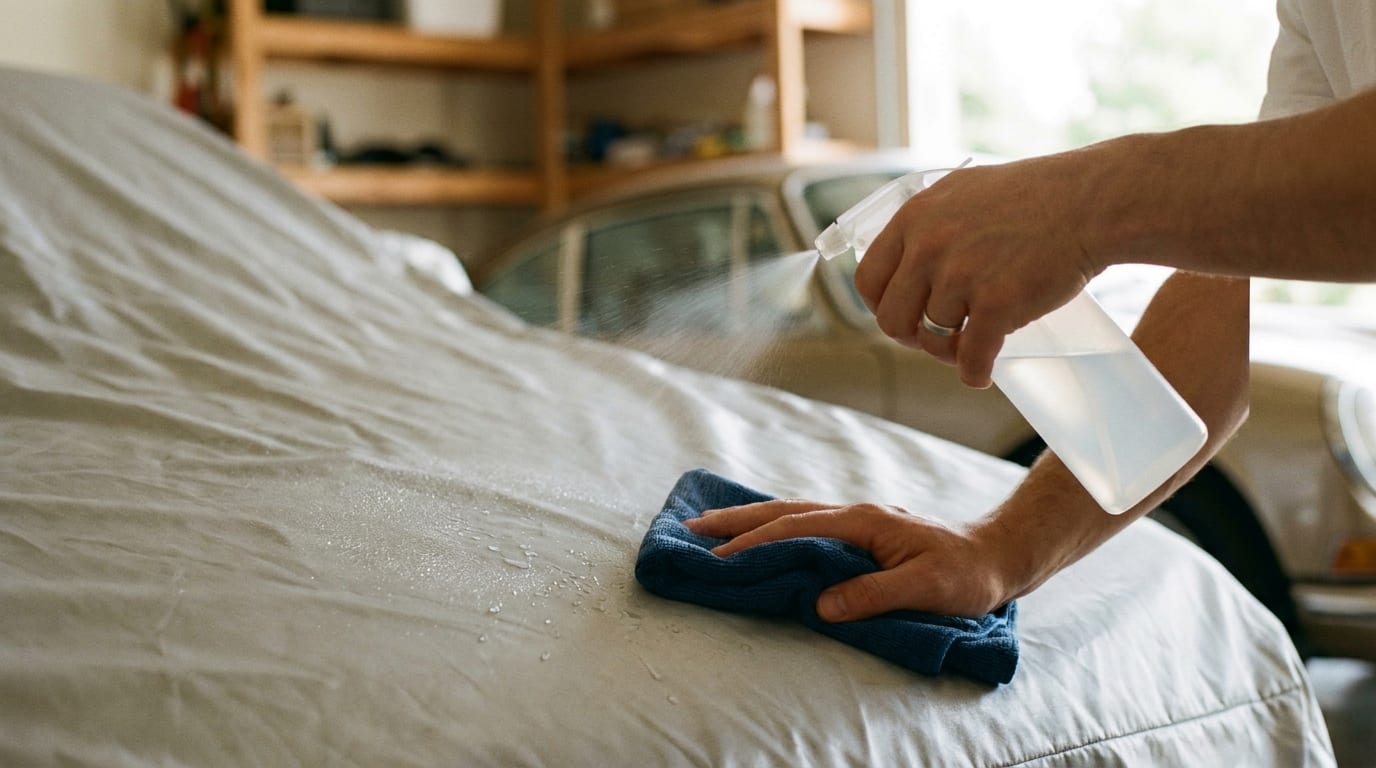
Black satin indoor covers show everything. Dust, lint, pet hair, all of it shows up visibly against the dark finish, so you'll probably find yourself shaking the cover out or giving it a quick wipe-down more often than you'd expect.
Silver reflective outdoor covers have the opposite issue: pollen, tree sap, rain spotting, all building up over time from constant outdoor exposure. That means periodic washing per the care instructions, not just a quick shake.
Both finishes need the same gentle treatment, though. Harsh detergents or machine drying can damage a reflective coating just as easily as they can wreck a satin lining. If you're not sure how to wash yours properly, the step-by-step car cover cleaning guide walks through the right method for either finish. Skip the shortcuts here. A cover that's been machine-dried once or twice loses its weatherproofing a lot faster than one that's been hand-washed and air-dried the whole time.
Bottom Line: How to Choose
The rule holds up: outdoor parking in a sun-heavy climate means silver reflective, indoor or garage storage means black satin. Everything else is secondary to that one decision.
Don't lose sight of the bigger picture, though. Fit, fabric tier, and waterproofing matter more for real-world protection than color does. A perfectly fitted, waterproof cover in the "wrong" color will still outperform a loose, low-tier cover in the "right" one. If you're still not sure which fabric and finish combination matches your vehicle and parking situation, the cover finder tool does the matching for you instead of leaving it to guesswork. It's also worth double-checking sizing before you buy, since an ill-fitting cover undoes a lot of the benefit no matter which color you land on.
If you found this useful, stick around and browse a few more car cover guides, or keep an eye out for future articles breaking down fit, fabric, and climate questions like this one.