


Soft Top vs. Hardtop Car Cover Needs: What Actually Changes
A soft top and a hardtop might sit on the same chassis, but they don't want the same cover. Soft top convertibles need a lining that won't chew up fabric or vinyl over months of contact, plus a fit that doesn't crush the folded top mechanism. Hardtops can handle a snugger, firmer shell since there's no fabric surface to abrade. Both still need the basics: UV blocking, water resistance, a fit that won't blow off in wind. The difference in soft top vs hardtop car cover needs comes down to what's touching the roof, not whether it needs protecting at all.
The Quick Verdict: What Changes Between Soft Top and Hardtop Covers
Here's the short version, if you're standing in an aisle or a checkout flow right now. Soft top owners should look for a fleece-lined or brushed-lining cover, something that won't rub against the grain of canvas or vinyl every time the wind shifts. Hardtop owners, including retractable hardtop drivers, have more room to prioritize a tight, custom-fit shell without worrying about seam friction wearing through a roof.
Both vehicles still need the same baseline: UV blocking so paint and fabric don't cook, water resistance so moisture doesn't sit and stew, and a fit secure enough that the cover isn't sailing across the parking lot in a storm. What actually shifts between the two is roofline sensitivity, meaning how the cover's inner surface interacts with what's underneath it.
Think of it as a decision snapshot. Soft top: prioritize the lining. Hardtop: prioritize the fit. The comparison table below breaks it down further by material, fit, storage exposure, and the kind of damage each top type is prone to when the wrong cover gets used.
Soft Top vs. Hardtop: Side-by-Side Comparison Table
Roofline material sensitivity
- Soft top: Vinyl and canvas can crack, stretch, or discolor from stiff or rough inner linings
- Hardtop: Steel and composite surfaces are far less sensitive to lining texture
Recommended inner lining
- Soft top: Fleece or brushed-tricot lining that won't rub against fabric grain over time
- Hardtop: Standard woven or non-woven lining works fine without added risk
Fit tightness
- Soft top: Slightly looser, non-restrictive fit near the roof to avoid compressing the folded top mechanism
- Hardtop: Snugger custom fit is fine, since there's no mechanism underneath to protect
UV exposure risk
- Soft top: Fabric fades and dries out faster under UV than painted surfaces do
- Hardtop: Clear coat holds up longer, though it's not immune
Water pooling risk
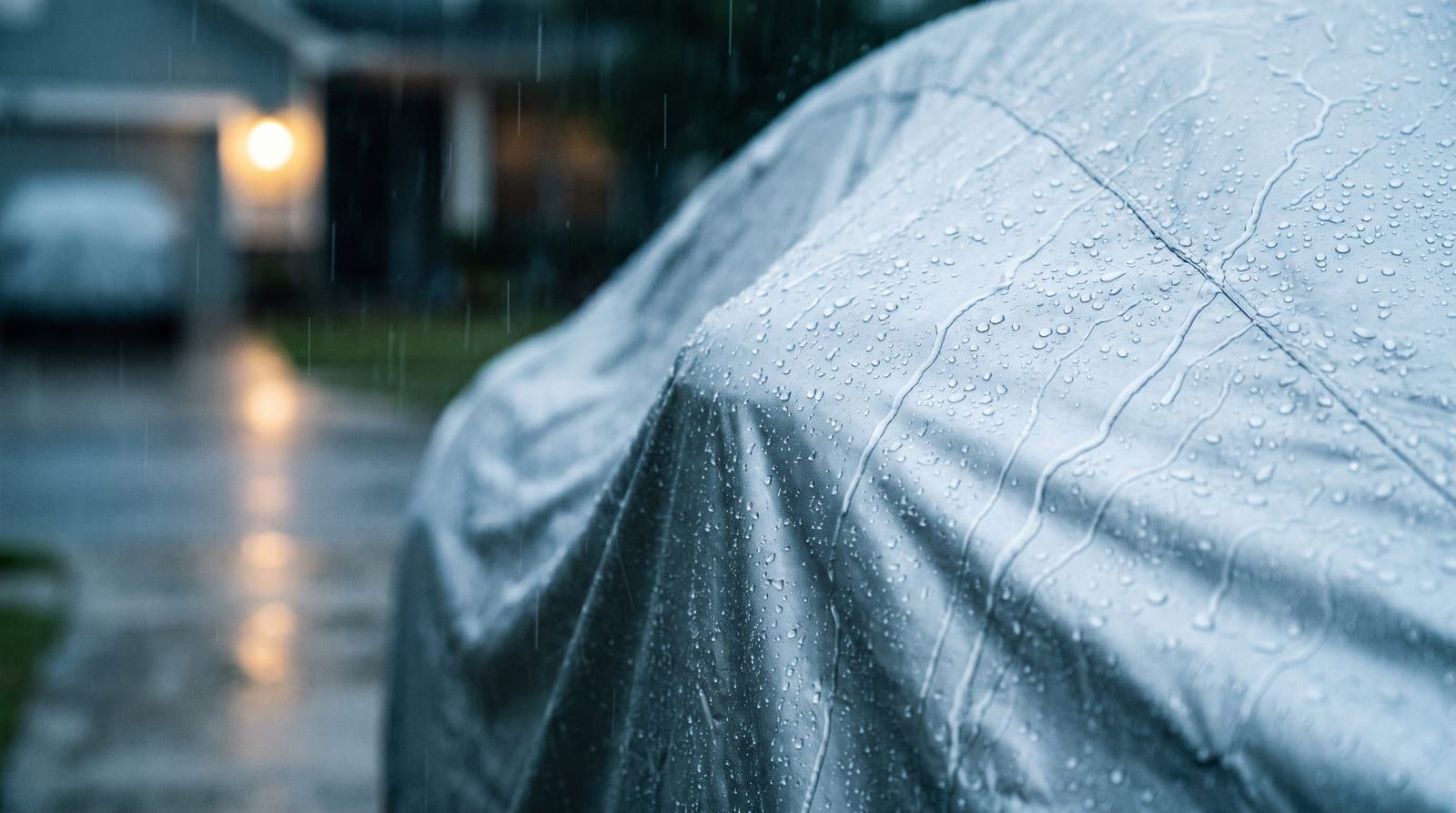
- Soft top: Seams and the top well can trap water if the cover doesn't shed rain cleanly
- Hardtop: Fewer seams overall, so less surface area for water to collect around
Indoor vs. outdoor storage tolerance
- Soft top: Needs weatherproof-grade material more often, since garaging isn't always guaranteed
- Hardtop: Can rely on a lighter indoor cover if it's garaged most of the time
Common damage without the right cover
- Soft top: Cracking, mildew under the fabric, fading
- Hardtop: Clear coat scratches, oxidation, dust etching
If you're comparing waterproof car covers for either top type, the water pooling risk line above is the one worth reading twice. Convertibles collect water in places hardtops simply don't have.
Why Fit Matters More for Convertibles
A custom-fit or semi-custom cover cuts down on wind lift, which matters a lot more on a soft top than people expect. Every time a loose cover shifts and flaps, it's dragging fabric against fabric. Do that for a season and you'll see wear lines where none should be. A hardtop's rigid surface just shrugs off that kind of minor movement. Paint doesn't care if a cover panel shimmies an inch in the wind. Canvas does.
Universal covers make this worse. Their looser, one-size panels are more likely to billow against a soft top roof, and billowing is exactly the abrasive motion you're trying to avoid. On a hardtop, that same looseness is a cosmetic annoyance at worst.
There's also a shape problem specific to convertibles: the folded-top bulge behind the seats. That changes the vehicle's overall silhouette compared to a hardtop or fixed-roof car, and a cover that doesn't account for it will either strain across the bulge or leave a gap that lets in rain and dust. If you're not sure whether your convertible needs a custom fit or can get by with semi-custom, the vehicle sizing guide walks through how to measure for it, and custom-fit car covers are worth a look if your model's proportions are unusual.
Material and Weatherproofing: What to Prioritize for Each
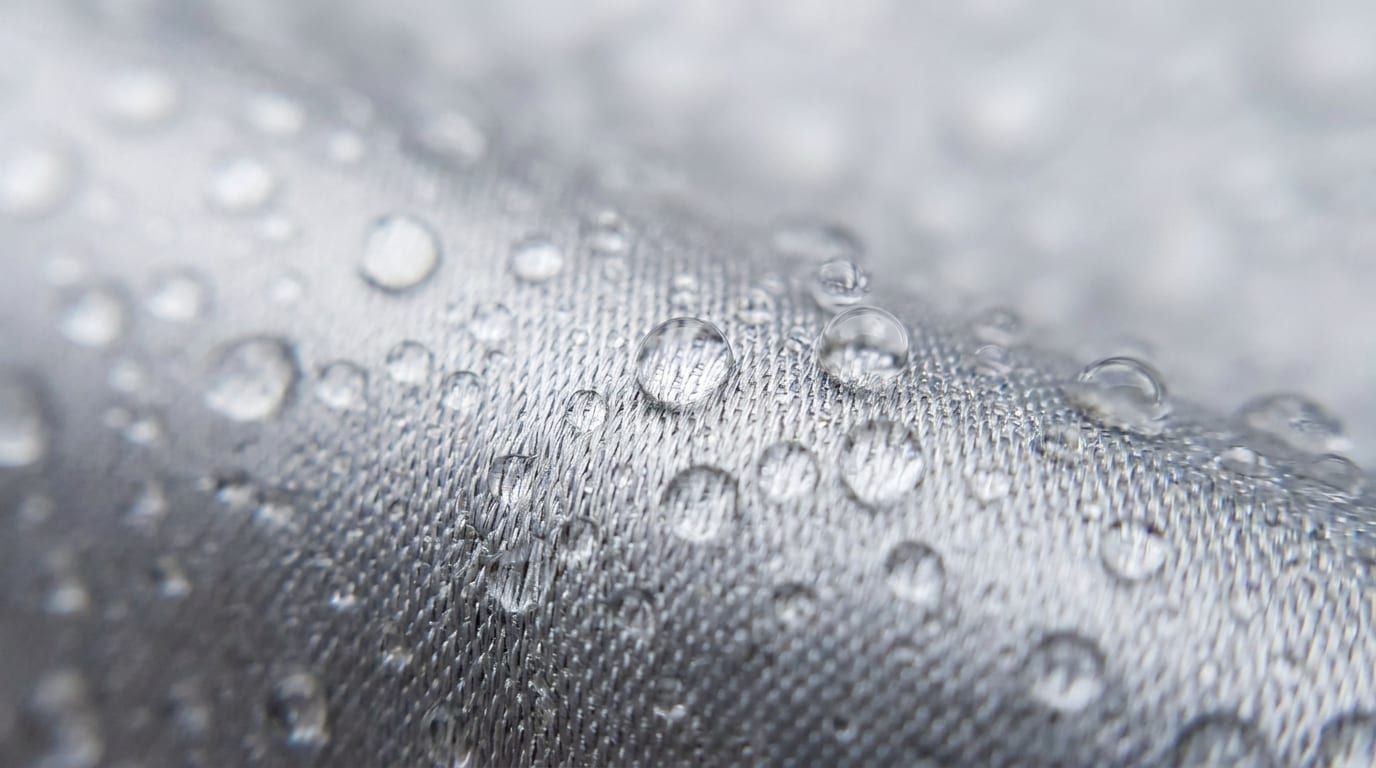
Soft top owners should be thinking about three things, in this order: a breathable-but-water-resistant outer layer, a soft non-abrasive lining, and UV-rated fabric that slows down fading on the convertible top itself. Skip any one of those and you're gambling with the roof material.
Hardtop owners can flip the priority list a bit. Scratch-resistant lining still matters, since clear coat is what's actually being protected, but the outer shell can be water-repellent without needing to be as breathable-obsessed. A snugger fit also just looks cleaner when the car's sitting in the driveway, which matters if you're the type who cares how the covered car looks parked.
Breathability protects both top types from trapped moisture and mildew, but the consequence isn't equal. Mildew on canvas or vinyl leaves stains that are genuinely hard to remove, sometimes permanent. Mildew film on paint under a cover is usually a quick detail job. Same problem, very different cleanup. For more on what separates a decent shell from a bad one, the car cover material guide covers the fabric-by-fabric tradeoffs.
If you're in a high-UV climate (Arizona, Nevada, the desert Southwest generally) and you own a soft top, weight UV protection heavier than you would for a hardtop. Fabric degrades faster than factory paint does, full stop.
Storage Habits: Indoor, Outdoor, and Seasonal Considerations
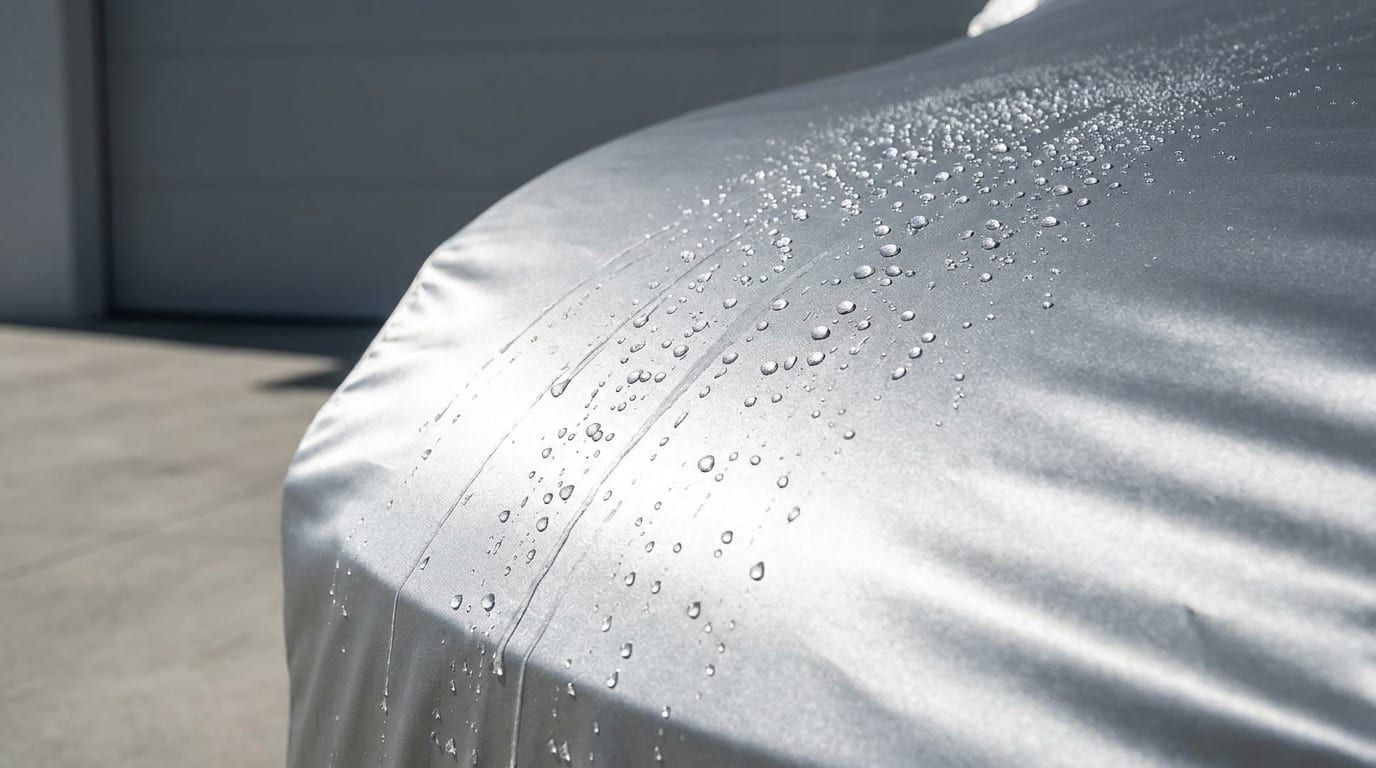
A soft top convertible stored outdoors year-round needs a heavier-duty outdoor car cover, no way around it. If it's garaged most of the time, a lighter indoor car cover works, but keep an eye on moisture buildup on the fabric anyway. Garages trap humidity too.
Hardtop vehicles have more flexibility here. Less risk of material degradation from occasional light exposure means a lighter indoor cover can do double duty even if the car spends the odd afternoon in the driveway.
Seasonal swaps are worth doing regardless of top type: a breathable option for summer UV exposure, a snugger, insulated option for winter storage. And check the fit each season, not just once at purchase. Elastic hems and straps sit differently in July heat than they do in January cold. It's a five-minute check that saves you from a cover that's suddenly too loose or too tight to do its job. The guide to outdoor car cover use and the indoor car cover guide both go deeper on the specifics if your storage situation is mixed.
How to Decide Which Cover Fits Your Vehicle
Run through this checklist before you buy anything:
- What's the roof made of, soft fabric or hard painted surface?
- Where does it actually live, garage, driveway, or fully outdoors?
- What's the climate, heavy UV, frequent rain, snow?
- How often is it driven, daily, weekends, or mostly parked?
Soft top owners: don't default to a bargain universal cover with a rough lining just to save twenty bucks. That decision risks the actual roof material, and canvas isn't cheap to replace or repair.
Hardtop owners: you've got more flexibility on lining choice, but that's not permission to skip UV and scratch protection. Durable doesn't mean invincible, clear coat still oxidizes and fades over time without a barrier.
The fastest way to stop guessing is to run your exact vehicle through the cover finder tool or the car cover fit search, which accounts for top type and body style instead of leaving you to eyeball it against a generic size chart.
Next Step: Find the Right Cover for Your Top Type
The core of it is simple: match lining softness and fit to what the roof is actually made of, then match the weatherproofing level to how and where you store the car. Get those two things right and you've solved most of what soft top vs hardtop car cover needs actually comes down to.
Punch in your make, model, and year on the cover finder so the fit accounts for your specific soft top or hardtop setup, right down to that folded-top bulge if you've got one. And if you're still narrowing down options, browse the full car cover lineup and see what fits your situation, no pressure, just a good starting point.
Updated