Why Does My Car Cover Leave Marks on My Paint? (Causes and Fixes)
Published
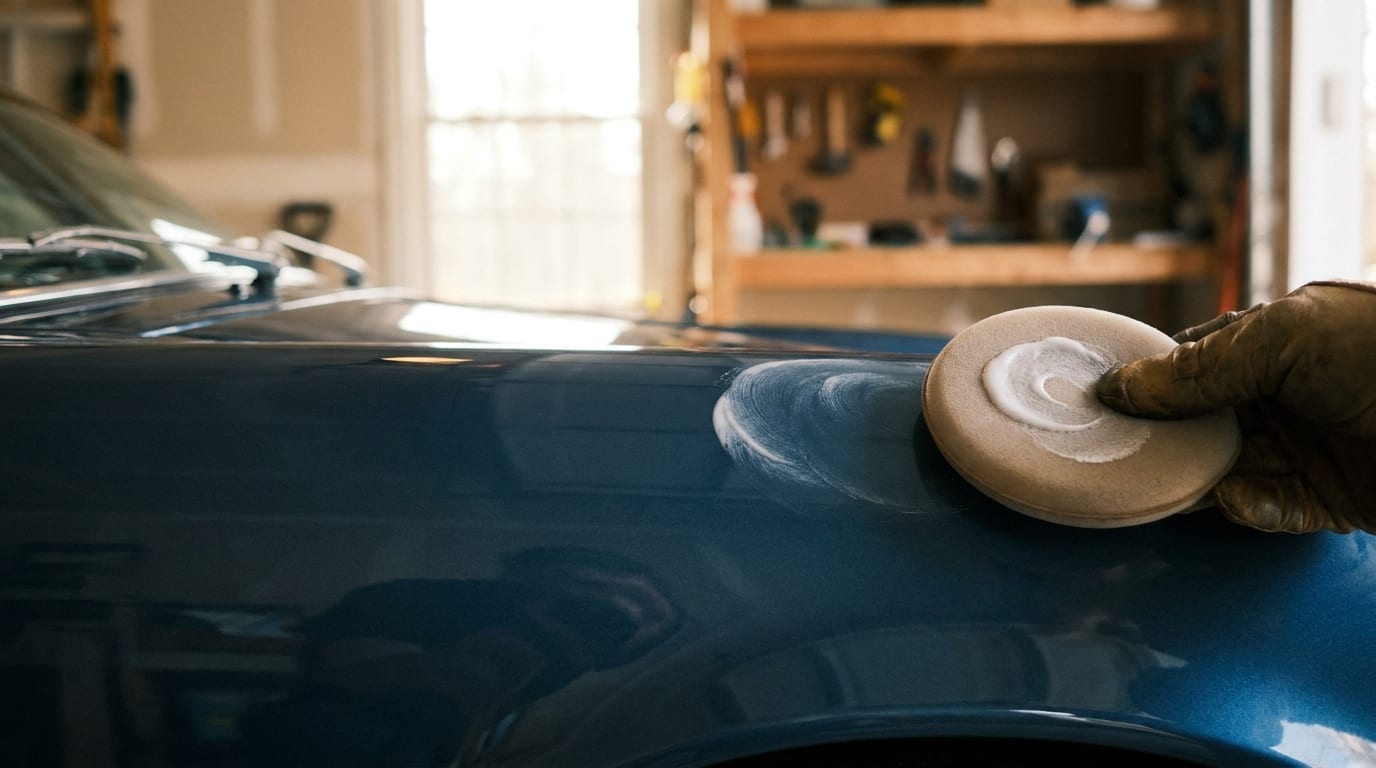
You washed the car, pulled the cover on, and a week later there's a faint web of scratches across the hood. Frustrating, and a little confusing, because the cover was supposed to protect the paint, not mark it up. Here's the short answer: the cover itself is almost never the real problem. Why does my car cover leave marks on my paint? Usually it's what's trapped underneath, how the cover fits, or the fabric it's made from doing the damage, not the cover concept itself.
This article walks through the three usual suspects: trapped debris grinding against the clearcoat, a cover that doesn't fit your car's actual shape, and cheap or non-breathable material that causes its own problems. Most of what you're seeing is swirl marks, light scuffing, or water spotting. That's cosmetic. It buffs out. It's not the deep, permanent clearcoat damage people fear when they first spot it.
One more thing worth setting straight up front: this is mostly an outdoor-storage issue. Garage-kept cars with covers rarely see this kind of marking because there's no wind pushing fabric around all night. If your car lives outside, keep reading.
Diagnosing the Cause: Trapped Dirt, Dust, and Debris
This is the number one cause, full stop. Fine grit, pollen, road dust, whatever settled on the paint that day, gets sealed in under the cover. Then the cover moves, even slightly, and that grit acts like sandpaper against the clearcoat. It doesn't take much movement either. A breeze that barely registers to you can be enough to drag debris across the paint hundreds of times overnight.
Wind is the real culprit here. A cover that looks perfectly still when you check on it during the day might be flapping and shifting constantly after dark when temperatures drop and breezes pick up. You won't see it happen. You'll just see the result.
Marks from this cause have a pattern. Fine swirls, light scratching, concentrated on the high points: hood, roof, trunk lid. Anywhere the cover makes the most contact with the body is where you'll find the damage.
And here's the thing: this almost always traces back to one bad habit. Covering a dirty car after a drive instead of after a wash. You pull in, the paint's got a film of highway dust or pollen on it, and the cover goes straight on top. That's the setup for marks every time.
Diagnosing the Cause: A Cover That Doesn't Fit Right
Fit problems cut two ways. Too loose, and the extra fabric flaps and rubs against the body every time the wind kicks up. Too tight, and the cover drags tightly across edges, mirrors, and body lines every single time you put it on or take it off. Both wear on the paint, just differently.
This is where universal and semi-custom covers tend to struggle. They're built to generically fit a size range, not your specific vehicle, so there's almost always slack somewhere. That slack is exactly what moves around in the wind. A cover built to your car's exact dimensions has nowhere for excess material to bunch up or catch.
The tell is where the marks show up. If you're seeing damage concentrated around mirrors, the antenna, a spoiler, or along body creases, that's a fit issue, not a dirt issue. Fabric is catching and rubbing right at those points.
It also compounds the first problem. A loose cover doesn't just rub, it lets in more wind and more debris in the first place, so you end up with trapped grit and friction working together.
Diagnosing the Cause: Low-Quality or Non-Breathable Material

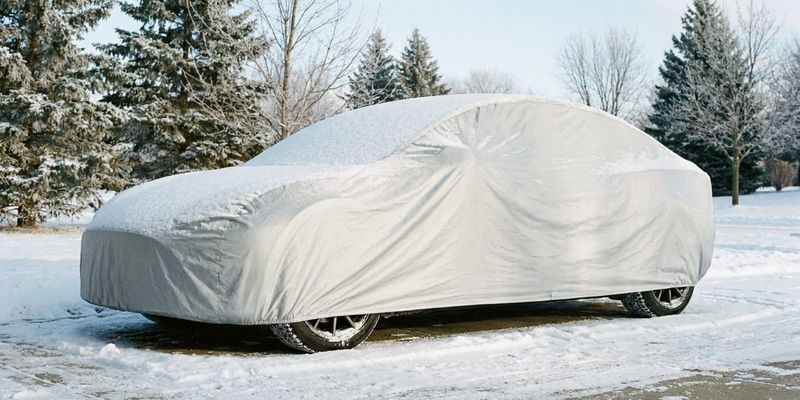
Not every mark is a scratch. Cheap vinyl or plastic covers don't breathe, which means moisture from temperature swings gets trapped right against the paint instead of escaping. That shows up as water spotting, mineral staining, sometimes even faint mildew marks. No grit required. No wind required. Just bad material doing what bad material does.
Low-grade fabric also tends to be stiff, and stiff fabric has a coarser inner surface. That alone can mark paint through plain friction, even on a perfectly clean car with zero debris involved. The fabric is the sandpaper in that scenario.
Heat adds another layer. Leave a non-breathable cover on a car sitting in direct sun, and the heat buildup underneath can actually soften certain cheap fabrics just enough to leave faint texture impressions on the paint over time. It's subtle, but it's real, and it's one more reason the material matters as much as the fit.
Compare that to a cover with a soft, inner-lined layer paired with breathable, waterproof outer fabric. That combination is built specifically to stop moisture from getting trapped and to cut down the surface friction that causes all of this in the first place. If you want the longer version of how heat, wind, and moisture interact with cover material outdoors, this guide to using a car cover outdoors goes deeper on it.
The Fix: Clean the Car and the Cover Before Every Use

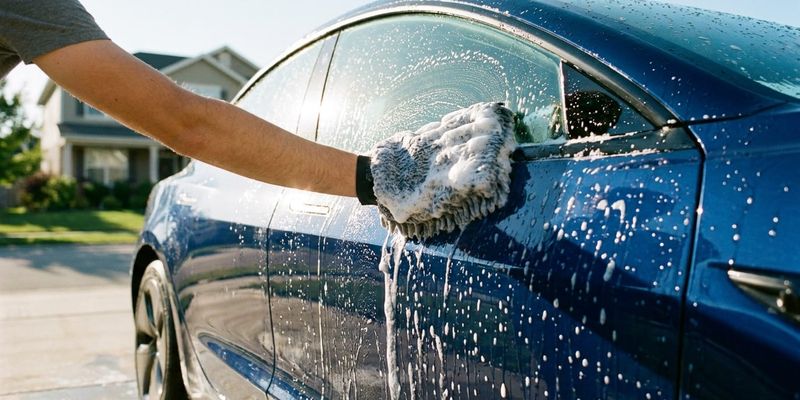
The fix for cause number one is almost embarrassingly simple: wash and fully dry the car before you cover it. Every time, especially after a drive. Don't cover a car with road grime, dust, or pollen still sitting on the paint. That's the single habit most responsible for swirl marks, and it's also the easiest one to change.
But the car isn't the only thing that needs cleaning. The cover's inner lining collects dirt and grit over time, and that grit will transfer straight back onto your paint the next time you use it, clean car or not. A cover that hasn't been washed in months is basically carrying its own supply of sandpaper around with it.
A reasonable cadence: a quick check for visible debris before every use, and a full wash on a seasonal schedule, sooner if the car's stored outdoors full time where the cover takes more of a beating. If you've never washed a car cover and aren't sure how to do it without ruining the waterproofing, this step-by-step guide to cleaning a car cover walks through the process, and the cover care basics page covers general upkeep too.
The Fix: Switch to a Properly Fitted, Breathable Cover
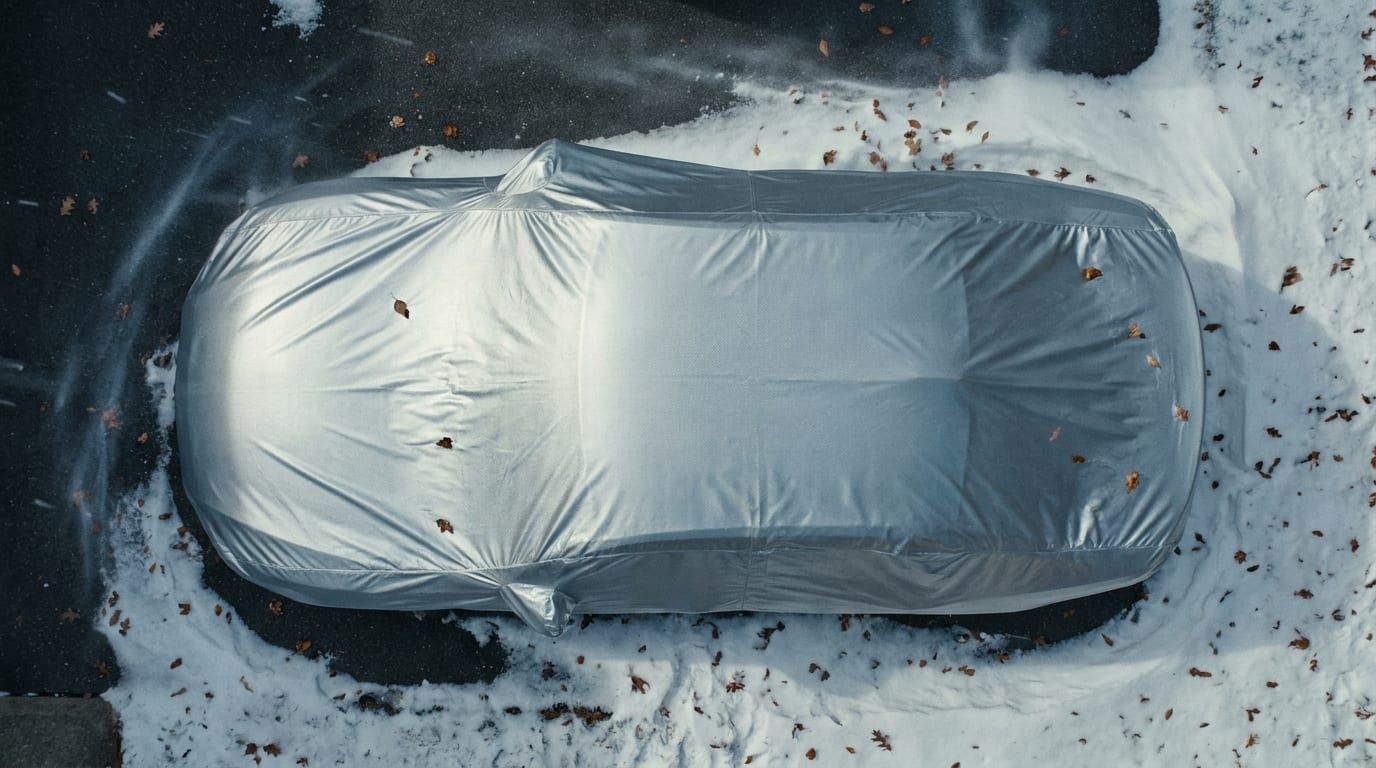
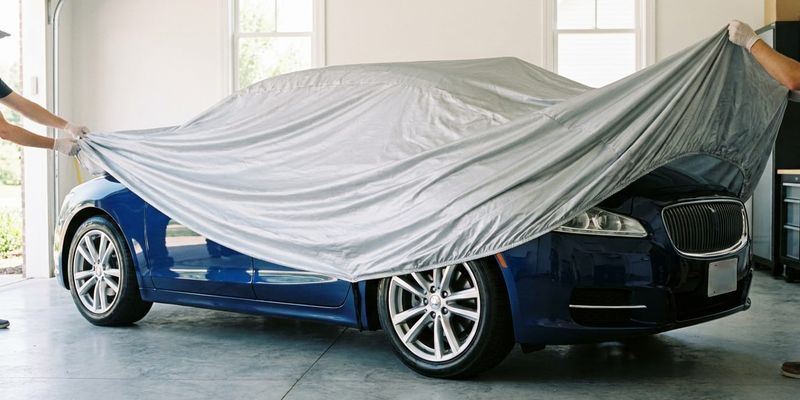
If fit is your issue, a custom-fit cover solves it more reliably than anything else on this list. No excess fabric means nothing to flap, nothing to catch on the mirrors, nothing dragging across the hood every time you pull it off.
Material matters just as much as fit. Look for a soft, non-abrasive inner lining paired with a breathable, waterproof outer layer. That combination handles both problems at once: less friction against the paint, and no trapped moisture underneath.
If replacing the whole cover isn't in the budget right now, wind straps or a cable lock are a cheap way to stop an existing cover from shifting around in the wind. It won't fix a cover that's fundamentally the wrong size, but it'll cut down a lot of the movement that causes marking.
For anyone parking in a consistently windy or exposed spot, this is the section that matters most. Fit and tie-down quality beat almost every other factor when it comes to preventing marks outdoors.
Common Questions About Car Covers and Paint Marks
Can a car cover scratch my paint? Yes, but usually indirectly. It's typically trapped dirt or a loose cover rubbing in the wind doing the scratching, not the cover material acting alone.
Are the marks from a car cover permanent? Most aren't. Light swirl marks and water spots buff or polish out without much trouble. Deep scratching is rare, and it's usually tied to prolonged use of a damaged or very low-quality cover rather than a one-time slip-up.
Should I wash my car before covering it every single time? For daily covering, at minimum wipe off loose dust and debris. A full wash is the better move after any drive that left road grime, pollen, or bird droppings behind.
Is a tighter-fitting cover always better? No. Too tight, and the cover drags across edges and high points every time you remove it. A true custom fit, snug without being stretched, beats simply sizing down.
Protect Your Paint, Not Just Your Car
Marks from a cover are a symptom, not a verdict. Clean the car, clean the cover, get the fit right, and the problem usually disappears on its own. None of this is a reason to give up on covering your car outdoors, it's a reason to fix the habit or the hardware causing it.
If you're not sure your current cover is even the right size, that's worth sorting out before you buy anything else. A cover finder tool can match your exact year, make, and model to a properly sized, breathable option instead of leaving you to guess at a universal fit.
Take a look at your options, and if this kind of car care content is useful, it's worth bookmarking the blog and checking back for more. Paint protection isn't a one-time purchase. It's wash habits, cover habits, and the right gear working together.