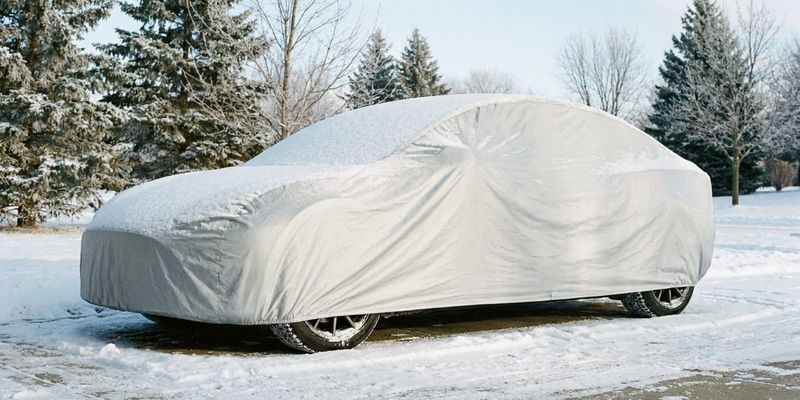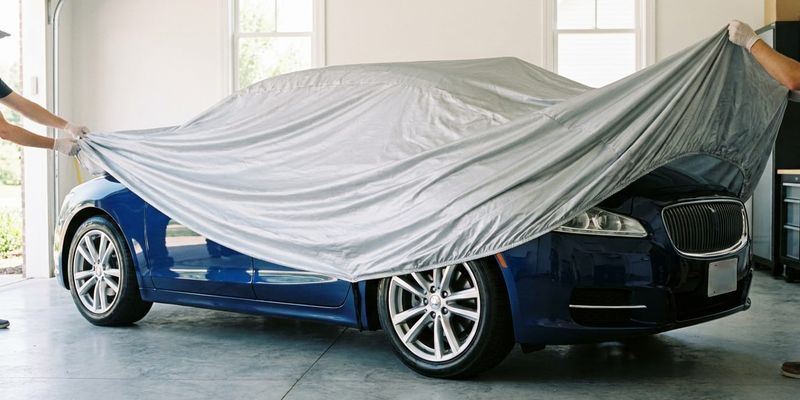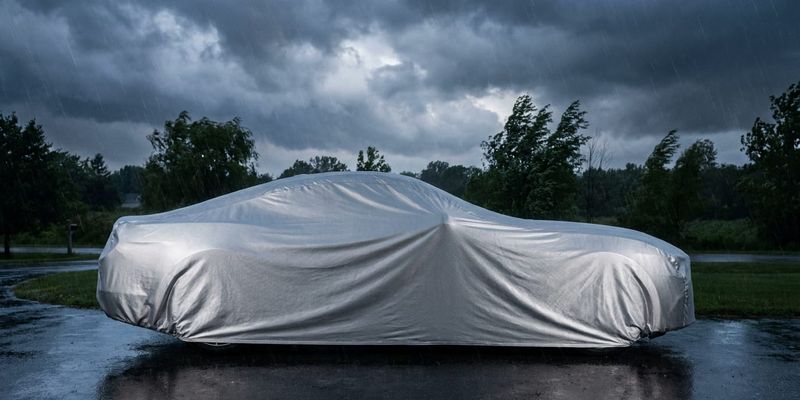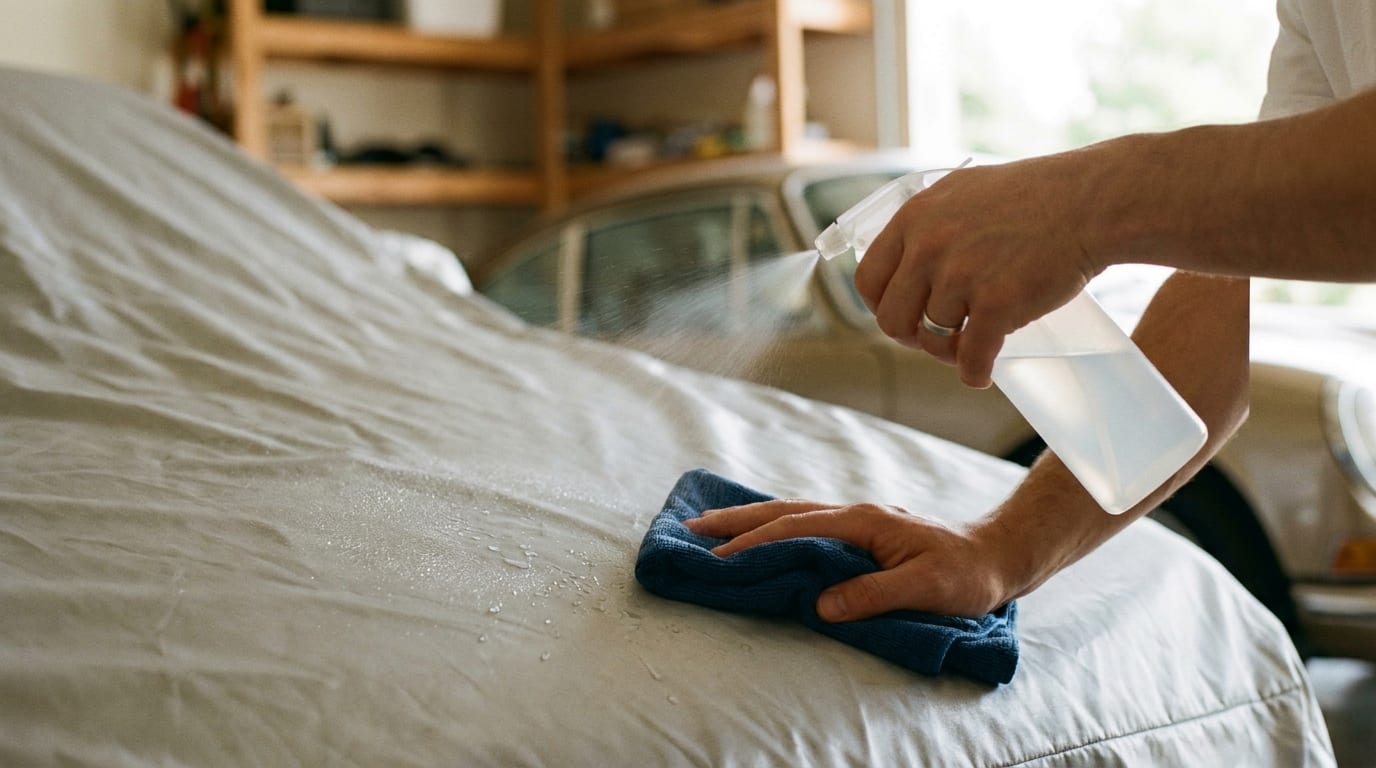
A musty smell coming off your car cover almost always means one thing: moisture got trapped against the fabric and something started growing on it. That's really the whole answer to why does my car cover smell musty, but the specifics matter if you want to actually fix it instead of just masking it. The cover material itself doesn't smell on its own. It's whatever's feeding on the dampness soaked into it, usually mold or mildew spores that found a damp, dark spot to settle in.
Good news: this is fixable in most cases. A musty cover doesn't mean it's ruined, it means it needs a proper clean and a change in how you're drying and storing it. Below, we'll walk through what's actually causing the smell, how to tell dampness from real mold growth, and the cleaning and storage habits that keep it from coming back.
Why Does My Car Cover Smell Musty? (Quick Answer)
Short version: moisture got sealed against the fabric, and mold or mildew spores moved in and started breaking it down. That's where the sour, damp odor comes from. It's not the cover material rotting or degrading on its own, it's biological growth feeding on trapped humidity.
This happens more than people expect, and it doesn't mean you need to toss the cover and buy a new one. Most musty smells clear up completely once you address two separate things: what caused the moisture in the first place, and how you clean and dry the cover afterward. Get both right and the smell doesn't come back. Skip one and it will, even after a wash.
What's Causing the Musty Smell: Common Culprits

A few scenarios cause the vast majority of musty car covers, and most of them trace back to the cover going on, or staying on, while wet.
Putting the cover on a car that's still wet from rain, dew, or a wash is the biggest one. You seal that moisture right against the paint and the fabric, and it has nowhere to go. Condensation is the sneakier version of the same problem: temperature swings overnight cause moisture to form underneath the cover even if the car was bone dry when you put it on.
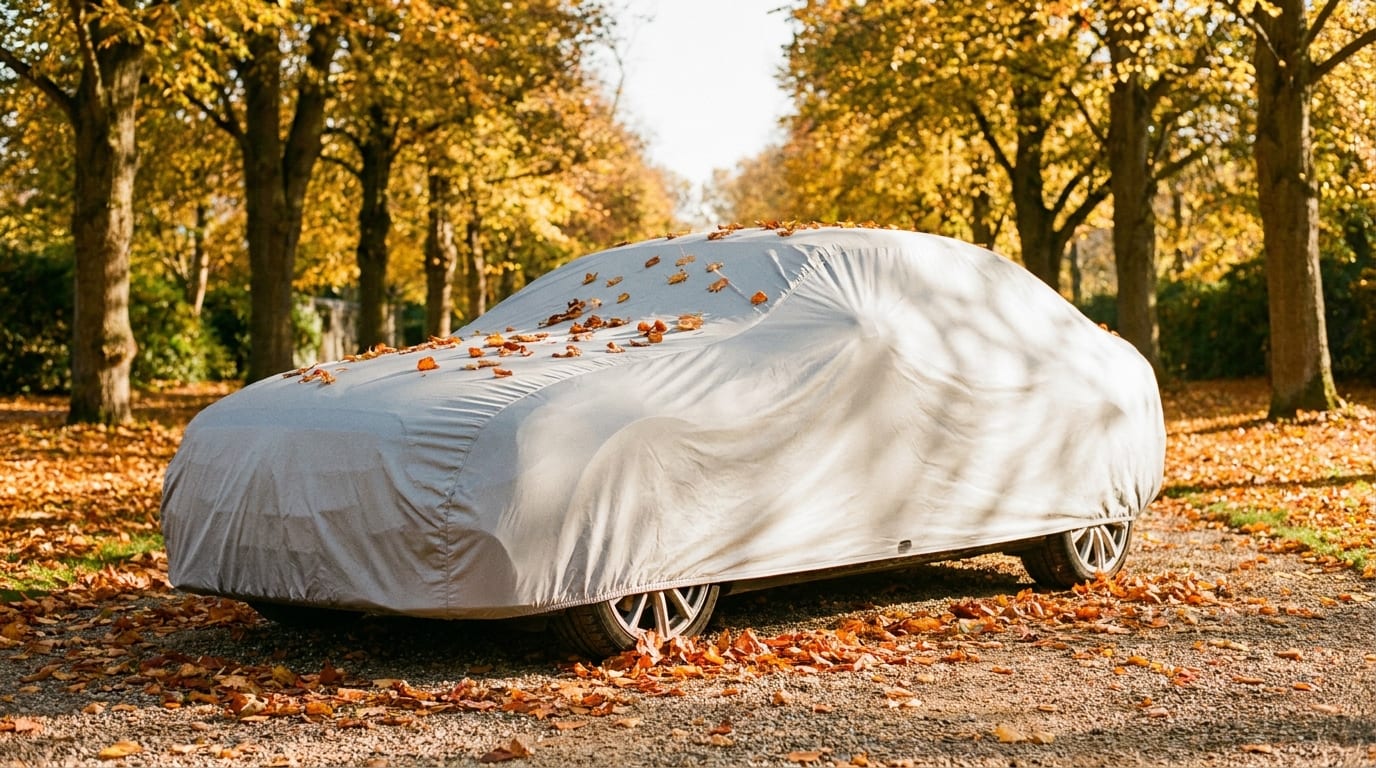
Fabric quality plays a role too. A non-breathable or cheap cover traps moisture instead of letting it vent out, which is a big part of why some covers develop that smell within weeks while others go months without issue. Storage habits matter just as much: tossing a damp cover into a plastic bag or sealed bin between uses is basically incubating mold. And it doesn't take rain to cause trouble. Dirt, pollen, and leaf debris left sitting on the fabric hold moisture against the surface long after the rain's gone. Leave a cover on too long in a humid climate without ever pulling it off to air out, and you're asking for the same result.
Mold, Mildew, or Just Dampness? How to Tell
Not every musty smell means mold. Sometimes it's just dampness that never fully dried, and that's actually the easiest fix.
Plain dampness usually smells musty but shows nothing visible on the fabric. Dry it out completely and the smell is gone, no cleaning product required. Mildew is a step further: small black or gray-green spots, often clustered rather than scattered randomly across the surface. Mold is worse again, often fuzzy or slightly slimy to the touch, and the smell is noticeably stronger and sourer than simple dampness.
Here's a detail people miss: check the underside or lining, not just the outer shell. Growth almost always starts on the inside first, since that's the side sitting closest to any moisture trapped against the car. If spots wipe away easily with a damp cloth, you're probably dealing with surface mildew that hasn't gone deep. If they're embedded in the weave and won't budge, it's progressed further and will need a more thorough clean.
The Fix: How to Clean a Musty-Smelling Car Cover
Start by shaking off loose dirt and debris before you wash anything. Washing a dirty cover without doing this just grinds grit into the fibers, which doesn't help.
Hand wash when you can, or use a gentle machine cycle with a mild, non-detergent soap. Skip bleach and fabric softener entirely. Both can break down the waterproof coating a lot of covers rely on, which defeats the purpose of the cover in the first place. For actual mildew spots, a diluted vinegar solution or an enzyme-based cleaner works well: apply it, let it sit a few minutes, then rinse.
Rinsing matters more than people think. Leftover soap residue traps moisture in the fabric, and ironically it can make the odor problem worse down the line rather than better. If you want the full step-by-step breakdown by material type, the step-by-step car cover cleaning guide covers specifics for different fabrics, and our cover care guide is worth bookmarking for ongoing maintenance.
Drying and Storage Habits That Stop It Coming Back
Cleaning the cover once solves the current problem. Drying and storage habits solve the recurring one, and this is really where most people go wrong.
Always air dry completely, indoors or in the shade, before folding anything up. Packing away a cover that's even slightly damp just restarts the whole cycle. Skip airtight plastic bins or bags for storage too. Breathable storage sacks let residual moisture escape instead of condensing right back onto the fabric.
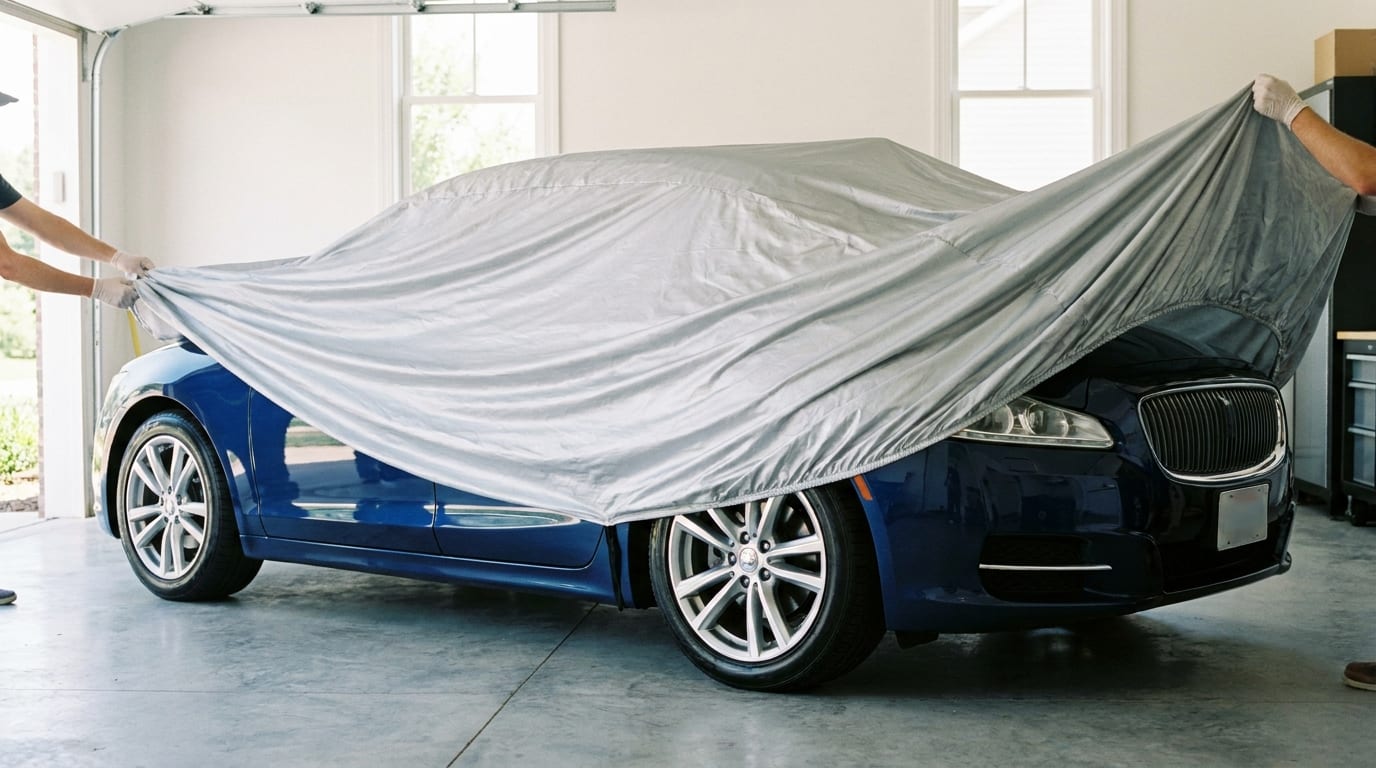
Don't put a cover on a wet car. Dry it off first, or just wait for the dew to burn off in the morning. If you're in a humid region, pull the cover off the car periodically, even if you're not driving, so both the car and the cover get a chance to air out. And don't let leaves, pollen, or dust sit on the cover for weeks at a time. Brushing it off regularly is a thirty-second habit that prevents a much bigger cleaning job later. For more on managing moisture and weather exposure specifically, our guide to using a car cover outdoors goes deeper on wind, UV, and rain protection together.
Will a Musty Car Cover Damage My Car's Paint or Interior?
The cover itself isn't going to eat through your paint. But the moisture causing the smell can, over time, contribute to water spotting, and in extreme long-term cases, surface corrosion if it's sitting against bare metal or trim.
The bigger risk is transfer. If you keep using a cover that's already contaminated with mold or mildew, those spores can land on your paint, or worse, get tracked into the cabin if you're tossing a used cover in the trunk. The fix is simple, if a little obvious: clean and fully dry the cover before you put it back on the car. Don't use it again while it's still damp just because you're in a hurry.
How Often Should I Clean My Car Cover to Prevent Odor?
For covers left outdoors full-time, clean every one to three months. That's the general window where dirt and moisture buildup start tipping into actual mildew territory. Occasional or indoor-only use stretches that out considerably, since there's a lot less exposure to work against.
Clean sooner than that schedule if the cover's been through heavy rain, a stretch of high humidity, or you can visibly see dirt or pollen caked on. A quick, regular wipe-down or light wash is a lot cheaper and easier than dealing with mildew that's had months to set in. Think of it as maintenance, not a chore you do once something already smells off.
Choosing a Breathable Cover So It Doesn't Happen Again
If you're doing everything right, drying fully, storing properly, cleaning on schedule, and the musty smell still keeps showing up, the cover itself might be the issue. Some materials just aren't breathable enough for the climate they're being used in.
Outdoor covers need fabric that wicks moisture away and lets air move, not a fully sealed waterproof shell that traps condensation underneath like a greenhouse. That's actually a common mismatch: people buy the most waterproof-sounding option assuming it's the most protective, when it's actually the one most likely to trap moisture against the car overnight. Our guides on outdoor car covers and waterproof car covers break down which materials suit which conditions, and if fit is part of the problem too (a loose cover flaps and lets in more moisture than it should), the custom-fit car cover guide is worth a look.
Cleaning fixes the current smell. The right fabric for your climate, paired with the drying and storage habits above, is what actually keeps it from coming back.
Musty smells are annoying, but they're rarely a sign you need to replace anything. Track down where the moisture's getting in, clean it out properly, and build in the airing-out habits above, and you shouldn't see it again. If you want more on keeping a cover (and the car underneath it) in good shape long-term, our car care hub has more guides worth browsing, and it's a good one to bookmark or check back on.
Frequently asked questions
Why does my car cover smell musty?
A musty smell almost always means moisture got trapped against the fabric and mold or mildew started growing on it. It's rarely the cover material itself, it's what's grown on or soaked into it.
How can I tell if it's mold, mildew, or just dampness?
Plain dampness smells musty but shows no spotting and clears up once fully dried. Mildew appears as small black or gray-green spots, often clustered. Mold is fuzzy or slimy with a stronger, sourer smell, and often starts on the underside or lining of the cover.
Can a musty car cover damage my car's paint?
The cover itself won't damage paint, but the trapped moisture causing the smell can contribute to water spotting or corrosion over time, and mold spores can transfer onto the car's surface if the cover is reused while still contaminated.