


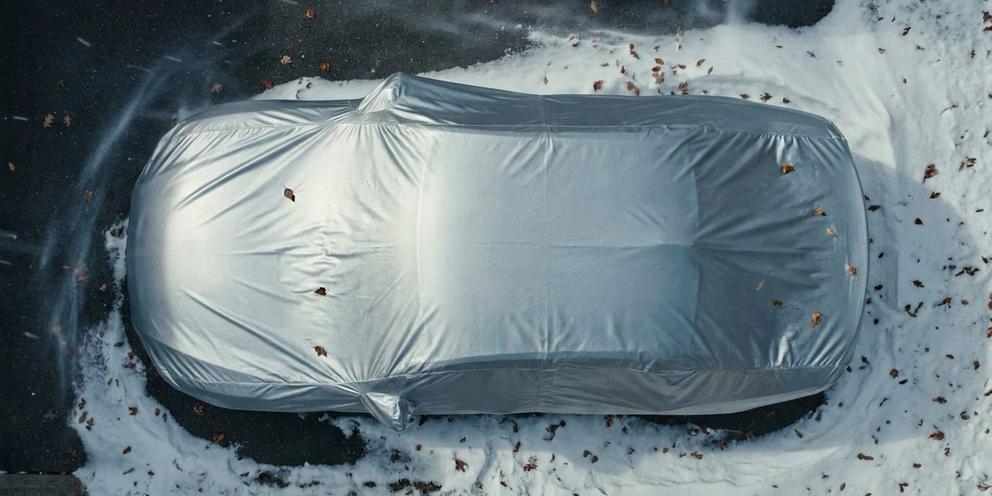
3-Layer vs 4-Layer vs 5-Layer Car Cover: Which One Actually Fits Your Vehicle?
Quick Verdict: Which Layer Count Should You Buy?
Short answer: if your car sleeps in a garage or under a carport most nights, a 3-layer cover is enough. If it's parked outside daily through sun, rain, and the occasional storm, go with a 4-layer cover. If you're dealing with brutal winters, coastal salt air, or leaving a vehicle outdoors for months at a time, get a 5-layer cover. That's the whole 3-layer vs 4-layer vs 5-layer car cover decision in one sentence.
The tradeoff underneath that verdict is simple: more layers buys you more protection and a longer lifespan, but you pay for it in weight, bulk, and price. A 5-layer cover isn't just "better" across the board. It's heavier to wrestle onto a hood every morning and it costs more upfront.
One caveat before the table: layer count is a proxy for how a cover is built, not a guarantee of quality. A cheaply stitched 4-layer cover can underperform a well-made 3-layer one. Material quality, seam construction, and elastic hems matter just as much as the number printed on the product page.
Below is the full breakdown by weather resistance, breathability, weight, durability, and price so you can see exactly where each tier earns its keep.
What 'Layers' Actually Mean in a Car Cover
"Layers" refers to bonded fabric plies, not overall thickness. A 3-layer cover typically has an outer UV and water-resistant shell, a middle structural layer, and something closer to a basic inner surface. Step up to 4 or 5 layers and you're usually adding a soft inner lining for scratch protection, plus an extra middle layer built for water or UV resistance. It's not just "more of the same fabric stacked up."
That distinction matters because a higher layer count doesn't automatically mean a smoother inner surface or better airflow. Some 4-layer covers add the soft lining, some don't. Check the actual construction description, not just the number.
Layer count also has nothing to do with fit. A 5-layer cover cut in a generic universal size can flap around, let water pool in the gaps, and abrade the paint from movement, while a well-fitted custom-fit car cover in fewer layers sits snug and does its job quietly. Fit and layer count are two separate variables, and skipping the fit question is one of the more common mistakes people make when shopping by layer count alone.
Breathability is its own engineering problem, too. Trapped moisture under a cover causes more paint damage than most weather does, and how well a cover vents that moisture out depends on the weave and construction the brand chose, not simply how many layers are stacked on top of each other.
3-Layer vs 4-Layer vs 5-Layer Car Cover: Side-by-Side Comparison Table
Weather resistance
- 3-layer: Handles light rain, dust, and mild sun. Not built for sustained storms.
- 4-layer: Stronger UV resistance plus moderate rain and snow protection.
- 5-layer: Built for heavy rain, snow load, and prolonged sun exposure.
Breathability
- 3-layer: Usually the most breathable tier thanks to lighter fabric.
- 4-layer: Balances added protection with reasonable airflow.
- 5-layer: Can trap more moisture if ventilation isn't engineered well. Airflow design matters more here than at any other tier.
Durability and expected lifespan
- 3-layer: Fine for seasonal or shorter-term use.
- 4-layer: Built to hold up under regular daily outdoor use for multiple years.
- 5-layer: Designed for the harshest conditions and the longest service life.
Weight and ease of install
- 3-layer: Lightest option, easiest to throw on and pull off daily.
- 4-layer: Moderate weight, still manageable solo.
- 5-layer: Heaviest and bulkiest of the three. Better suited to less-frequent removal.
Best-use environment
- 3-layer: Garages, carports, mild and dry climates.
- 4-layer: Typical driveway parking through mixed weather.
- 5-layer: Extreme climates, coastal or high-UV regions, long-term outdoor storage.
Price range
- 3-layer: The most budget-friendly tier.
- 4-layer: Mid-range pricing.
- 5-layer: Highest price, reflecting the extra material and construction.
3-Layer Covers: Who They're Actually For
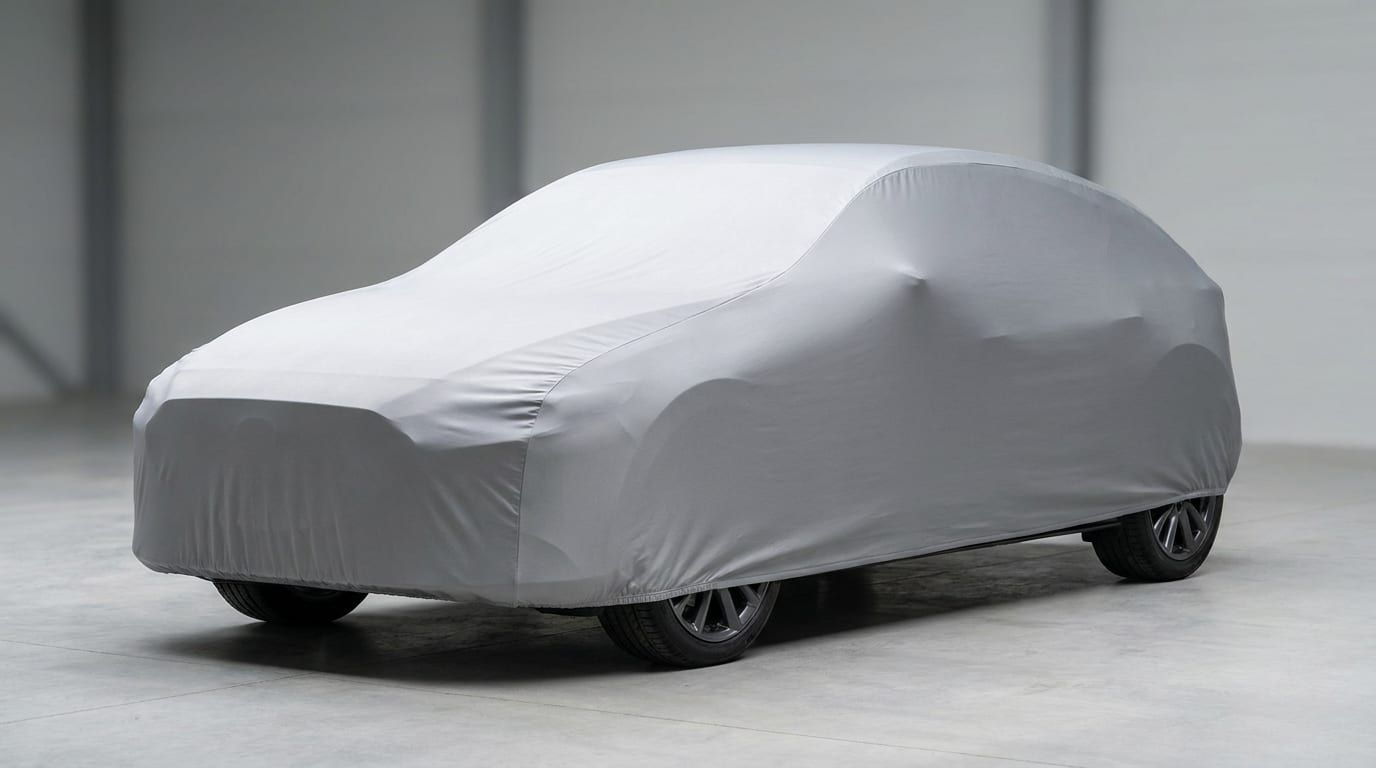
If your car spends most of its life indoors and only sees a cover for occasional overnight protection, a 3-layer cover is the right amount of gear. It's light, folds down small enough to toss in a trunk, and costs less than the heavier tiers.
The limitation shows up the moment weather gets serious. A 3-layer cover isn't built to shrug off sustained heavy rain, snow accumulating on the hood, or intense sun beating down day after day. Ask it to do that job and it'll wear out faster than it should.
Think of the person who covers their car in a carport for a few hours overnight, or tosses one on during a weekend trip where it's parked outside briefly. That's a 3-layer situation. Someone leaving a car outdoors year-round in a harsh climate is asking more of it than it's designed to give. For that occasional-use case, an indoor car cover might actually be the better fit than even a basic outdoor 3-layer option.
4-Layer Covers: The Middle-Ground Pick

This is the tier most daily drivers should default to. If your car sits in a driveway through all four seasons, dealing with some sun, some rain, and the occasional storm but nothing extreme, a 4-layer cover strikes the right balance.
It's the reason this tier gets recommended so often in the 3-layer vs 4-layer vs 5-layer car cover conversation: it doesn't overbuild for conditions you don't have, and it doesn't underbuild for the ones you do. You're not paying for storm-grade armor you'll never need, and you're not stuck with a cover that gives up after one rough month.
Picture a commuter car parked outside in a temperate region, exposed to rain in spring, sun in summer, and the odd frost in winter, but nothing approaching hurricane or blizzard conditions. That's exactly the scenario a 4-layer cover was built for. If you're trying to figure out whether your situation calls for daily outdoor exposure protection at all, the breakdown on outdoor car covers is worth a look before you commit to a tier.
5-Layer Covers: When Maximum Protection Is Worth It
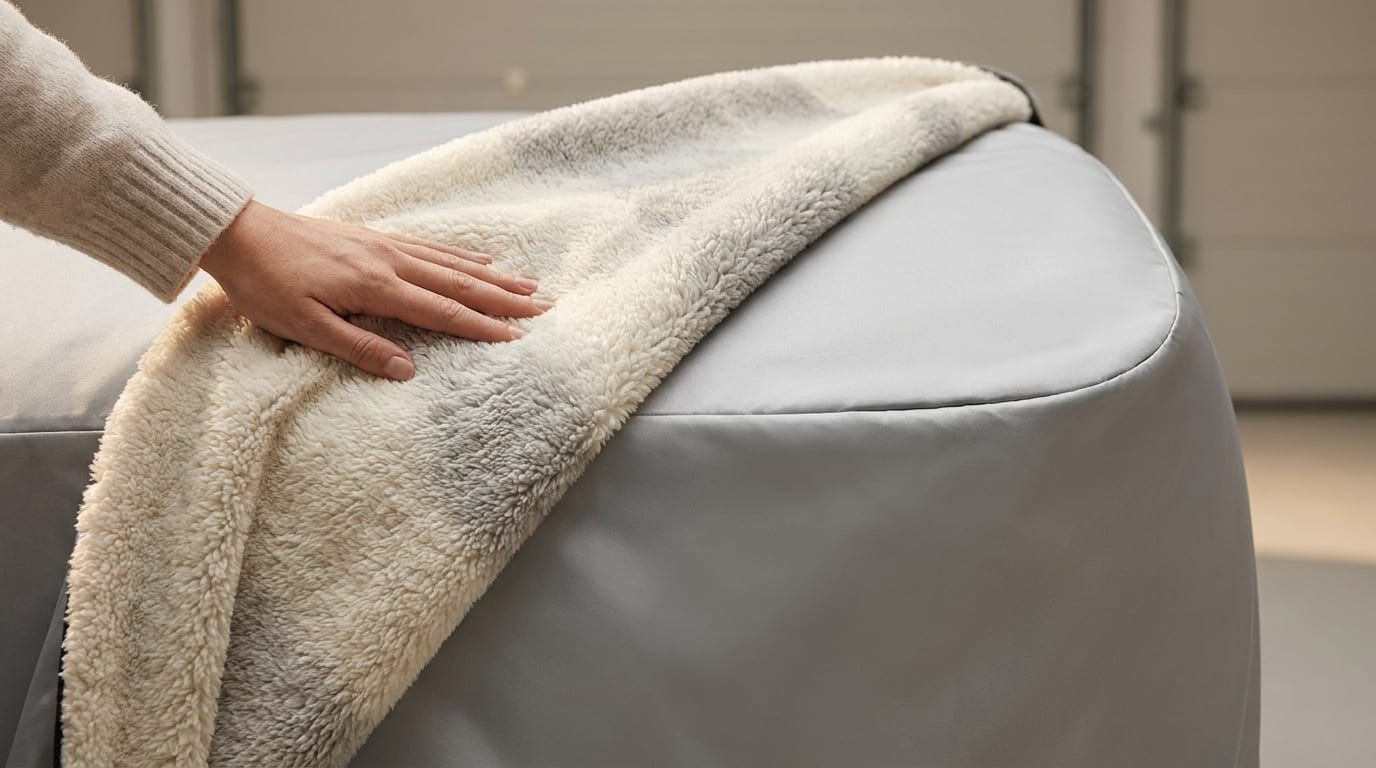
Harsh and extreme conditions are where the extra layers earn their price tag. Heavy snow, intense UV, salt air near the coast, storms that show up more often than not: this is 5-layer territory. Same goes for any vehicle left outdoors long-term or in storage, where nobody's checking on it daily.
The added value comes from a thicker outer shell paired with a soft inner lining, which cuts down the risk of scratches, water getting through, and sun damage building up over weeks or months of unattended exposure. That combination is what makes a waterproof car cover actually hold up in a downpour instead of just resisting a light drizzle.
Nothing here is free, though. You're paying the highest price of the three tiers, hauling around the heaviest cover, and you need a design with good ventilation baked in, otherwise trapped moisture becomes its own problem underneath all that protection. Think of a classic car or an RV stored outside through winter, or any vehicle sitting in a region where harsh weather is the default rather than the exception. If hail is part of that picture, it's worth pairing this tier with what you'll find in the guide to hail car covers.
How to Decide: Match the Cover to Your Climate and Routine
Boil it down to three questions. How often does the car actually sit outdoors? What's the climate like where you live? And how often are you willing to put the cover on and take it off?
Answer those honestly and the tier usually picks itself. Occasional outdoor exposure in a mild climate points to 3-layer. Daily outdoor parking in mixed weather points to 4-layer. Harsh conditions or long stretches of unattended outdoor storage point to 5-layer.
Don't stop at layer count, though. Fit still decides whether any of this protection actually works. A custom-fit cover, a semi-custom option, or a generic universal size will perform differently on the same vehicle even with identical layer construction, so it's worth checking what size car cover fits your vehicle before you lock in a tier. If you want the fuller picture on how weather, wind, and UV exposure factor into outdoor use specifically, the guide to using a car cover outdoors covers that in more depth, and the best car cover comparison is a good next stop if you're still weighing options across brands.
Once you've settled on a tier, browse CarCovers' outdoor car covers and waterproof car covers to compare specific products within it. And if you want more of this kind of straight-talk buying advice before your next purchase, it's worth poking around the rest of the articles section for guides on fit, materials, and care.
Updated