Articles Seasonal & Weather Car Care Tips
Best Car Cover for Miami, FL Humidity and Salt Air: A Local Buying Guide
Published
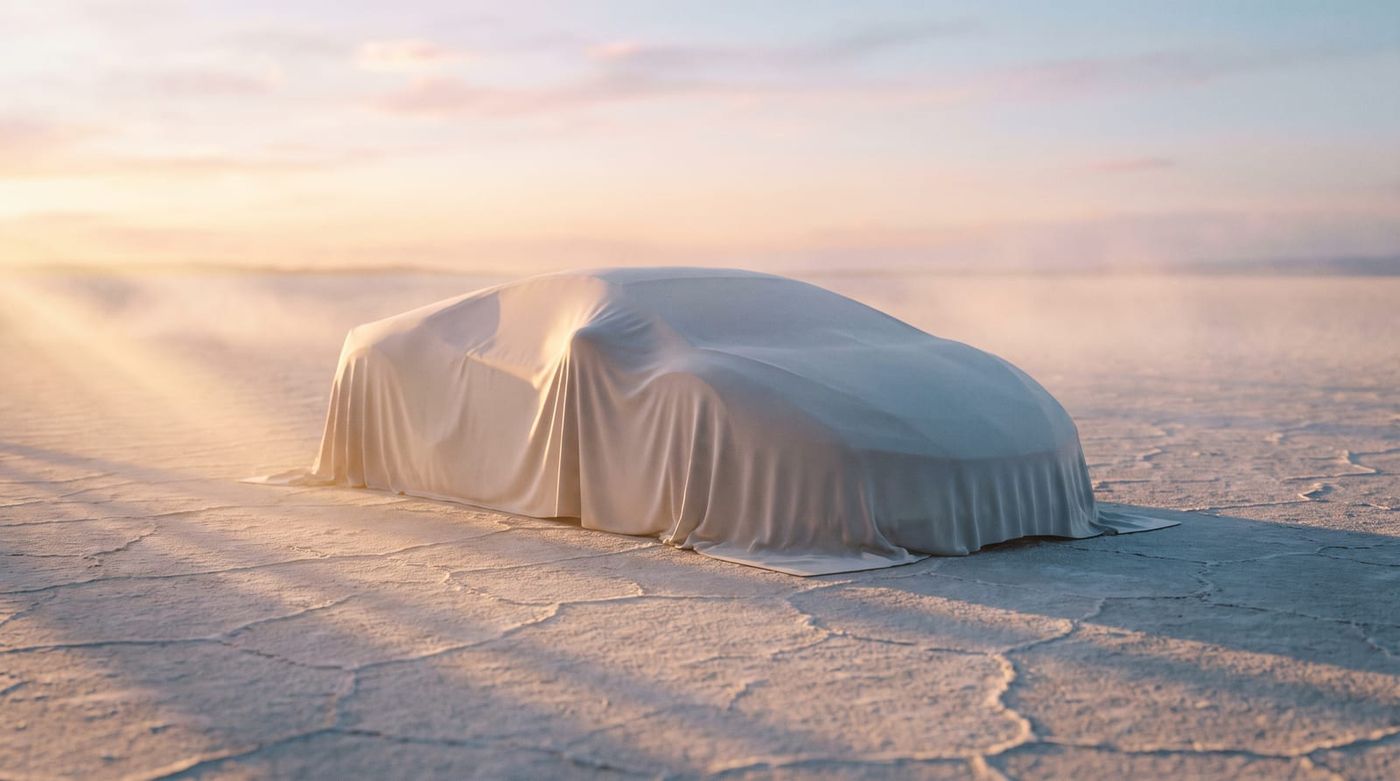
Miami doesn't just test a car cover, it interrogates one. Between the humidity, the salt rolling in off Biscayne Bay, and a sun that doesn't take an off-season, a cheap universal cover will show wear within months. If you're searching for the best car cover for Miami, FL humidity and salt air, you're already ahead of most owners who find out the hard way, usually when they peel back a cover and find water spots etched into the clear coat.
Why Miami's Climate Is Brutal on an Uncovered Car
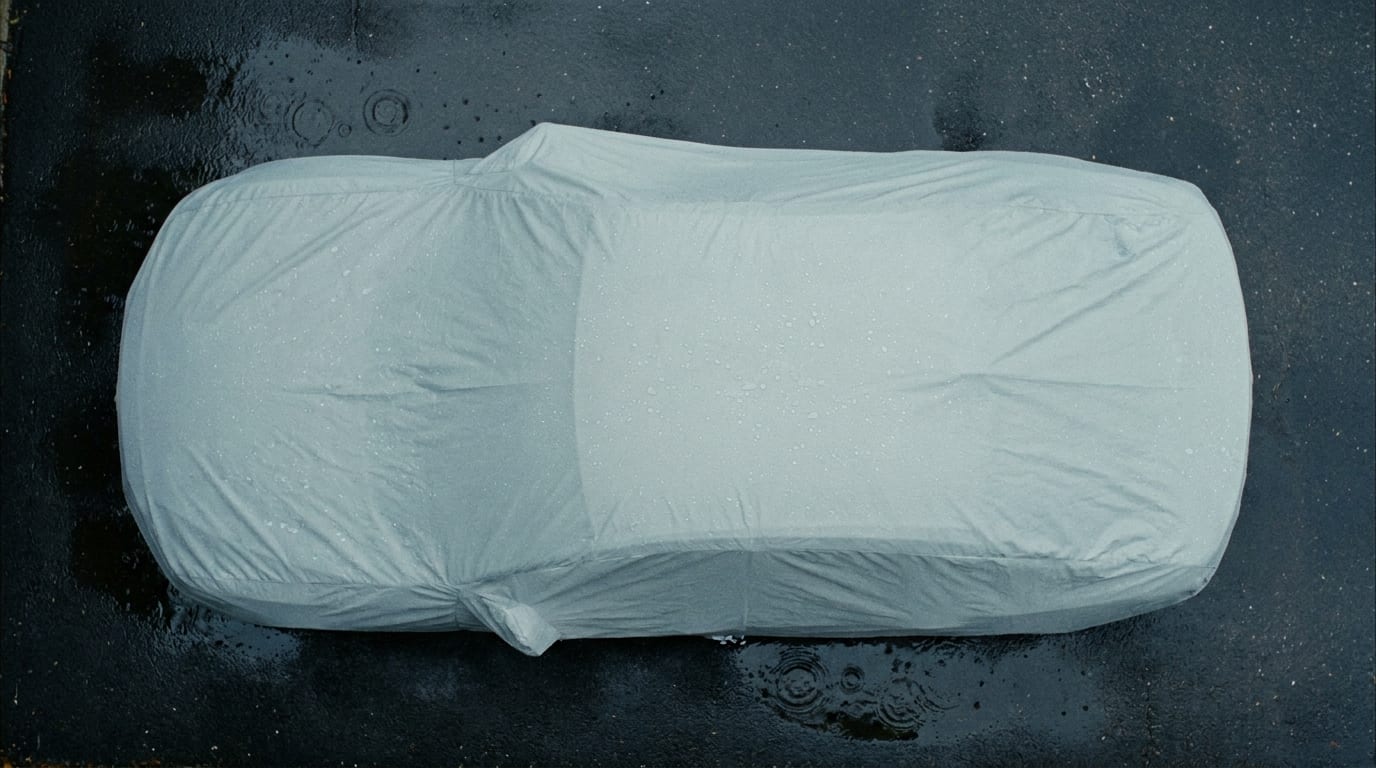
Humidity here sits in the 70 to 90 percent range most of the year. That's not a number you feel once and forget, it's constant. Add a UV index that stays high nearly every month, plus salt particulates riding the sea breeze (and yes, that reaches cars well inland, not just the ones parked a block from the water), and you've got three separate stressors working on your paint at the same time.
Here's what makes it worse: moisture and salt don't just coexist, they accelerate each other. Salt is hygroscopic, meaning it holds onto moisture and keeps surfaces damp longer than they'd otherwise stay. That combination eats through chrome, pits trim, and breaks down clear coat faster than you'd see in a drier climate like Phoenix or Denver. Then from May through October, Miami's afternoon thunderstorms dump sudden, heavy rain on top of that baseline humidity. Your car goes from "sticky and damp" to "soaked" in the span of twenty minutes, multiple times a week.
So any cover you're considering needs to deliver on four fronts: breathability, water resistance, UV blocking, and hardware that won't corrode. Miss one of those and you haven't actually solved the problem, you've just relocated it under a sheet of fabric.
The 3 Cover Features That Matter Most in South Florida

Start with breathability. A cover that blocks rain but doesn't let trapped moisture escape is arguably worse than no cover at all in this climate. Humid air gets sealed against your paint overnight, condensation builds, and you end up with mold and mildew forming on the surface faster than if the car had just sat uncovered. Multi-layer breathable fabric is non-negotiable here, not a nice-to-have.
Next, the outer layer needs real UV resistance. Cheaper covers without UV treatment break down under constant sun exposure, the fabric gets brittle, stitching weakens, and that degraded layer stops doing its job protecting your paint and dash plastics underneath. You're not just protecting the car, you're protecting the cover's own lifespan.
Third: hardware. Grommets, buckles, any metal component on the cover should be stainless or coated against corrosion. This matters more in Miami than almost anywhere else in the country. If your car lives near Biscayne Bay, South Beach, or anywhere along the Keys corridor, standard hardware will show rust within a season. For a deeper look at how water resistance tiers differ, the waterproof car covers guide breaks down waterproof versus water-resistant fabric, which matters a lot when you're choosing between tiers built for this kind of exposure.
Outdoor vs. Indoor Covers: Which Fits a Miami Parking Situation

Be honest about where your car actually sleeps at night. A lot of Miami housing, think condo buildings, older neighborhoods, duplexes, doesn't come with a garage. Street parking, open carports, and bare driveways are the norm for plenty of owners here.
If that's you, you need an outdoor car cover, full stop. Indoor-only covers are built for controlled environments. They're thinner, they're not treated for UV or salt exposure, and they'll fail fast against a Miami storm or a few months of coastal air. Using one outdoors isn't a budget workaround, it's a way to waste money twice.
If you do have covered garage or condo parking, you're not off the hook entirely. Humidity still causes surface condensation even indoors, and dust accumulates. In that case a lighter indoor car cover still earns its keep, just without needing the heavy-duty weatherproofing an outdoor cover carries.
Getting the Fit Right for Humidity and Salt Air Protection
A loose, generic "fits most sedans" cover is a liability here. Gaps and slack fabric let salt-laden moisture pool at seams and wick underneath the edges, right onto your paint. It doesn't matter how good the fabric is if the fit lets water find its way in anyway.
This is where custom-fit sizing earns its price difference. A custom-fit car cover follows the actual lines of your vehicle, closing off the gaps a universal or semi-custom cover leaves open. In a dry climate, a slightly loose fit is a minor annoyance. In Miami, it's the difference between a cover that works and one that's quietly causing the exact damage you bought it to prevent. If you're not sure what you need, this sizing guide walks through matching cover to vehicle properly.
Worth adding: cable locks and wind straps aren't just anti-theft extras down here. Miami gets gusty storms regularly, and hurricane season brings real wind events. A cover that isn't secured can shift, flap, and abrade your paint, or just blow off entirely. The gust strap installation guide is worth a few minutes if you're buying a cover for a car that's going to ride out some wind.
Maintenance Habits That Make a Cover Last Longer in Miami
Owners tend to rinse their car and forget the cover itself. That's backwards here. Salt residue accumulates on the cover's outer fabric just like it does on your paint, and left alone it slowly degrades the coatings that make the fabric water-resistant in the first place. A regular rinse, even just a garden hose pass, extends the cover's working life considerably.
Drying matters just as much. Folding a damp cover for storage in Miami's ambient humidity is basically an invitation for mildew. Let it dry fully, ideally somewhere with airflow, before you store or refold it.
Build in a habit of checking grommets, seams, and elastic hems every few weeks for the first signs of salt-related wear: stiffening fabric, rust specks at metal points, fraying at stitched edges. Catching that early saves you from replacing the whole cover over a failure at one small point. For the full process, this cleaning walkthrough covers it step by step, and the waterproof fabrics article goes deeper on material-specific care if you want to understand why certain fabrics need different handling.
What Warranty Coverage Should Tell You About Durability
A warranty isn't just a safety net, it's information. A manufacturer willing to stand behind stitching, grommets, and fabric coating for years is telling you something about how that cover is expected to perform under real conditions, not showroom conditions.
Pay attention to what's actually covered. Stitching and grommets are usually the first points of failure in salt air, since they're the smallest components and the first to show corrosion or thread breakdown. A warranty that specifically addresses those parts is worth more than one that just gestures at "manufacturing defects" broadly. Worth checking what's typically included before you commit; this warranty page lays out the specifics.
Choosing Your Cover: Next Steps
If you're putting together a shortlist, run it against this: breathable, UV-treated, water-resistant fabric. Corrosion-resistant hardware. A fit that's actually tight to your vehicle, not generic. And a habit of rinsing and drying the cover itself, not just your car.
Skip the guesswork on sizing. A cover finder tool will match your exact make and model instead of leaving you to eyeball a universal size chart. And if you want to browse the full range of options before deciding, the car covers category page is a good place to start. Either way, the best car cover for Miami, FL humidity and salt air is the one built for exactly this kind of weather, not a cover that happens to be on sale this week. Worth taking the extra few minutes to get it right.