Articles Seasonal & Weather Car Care Tips
Best Car Cover for San Diego, CA Coastal Salt Air: A Local Buying Guide
Published
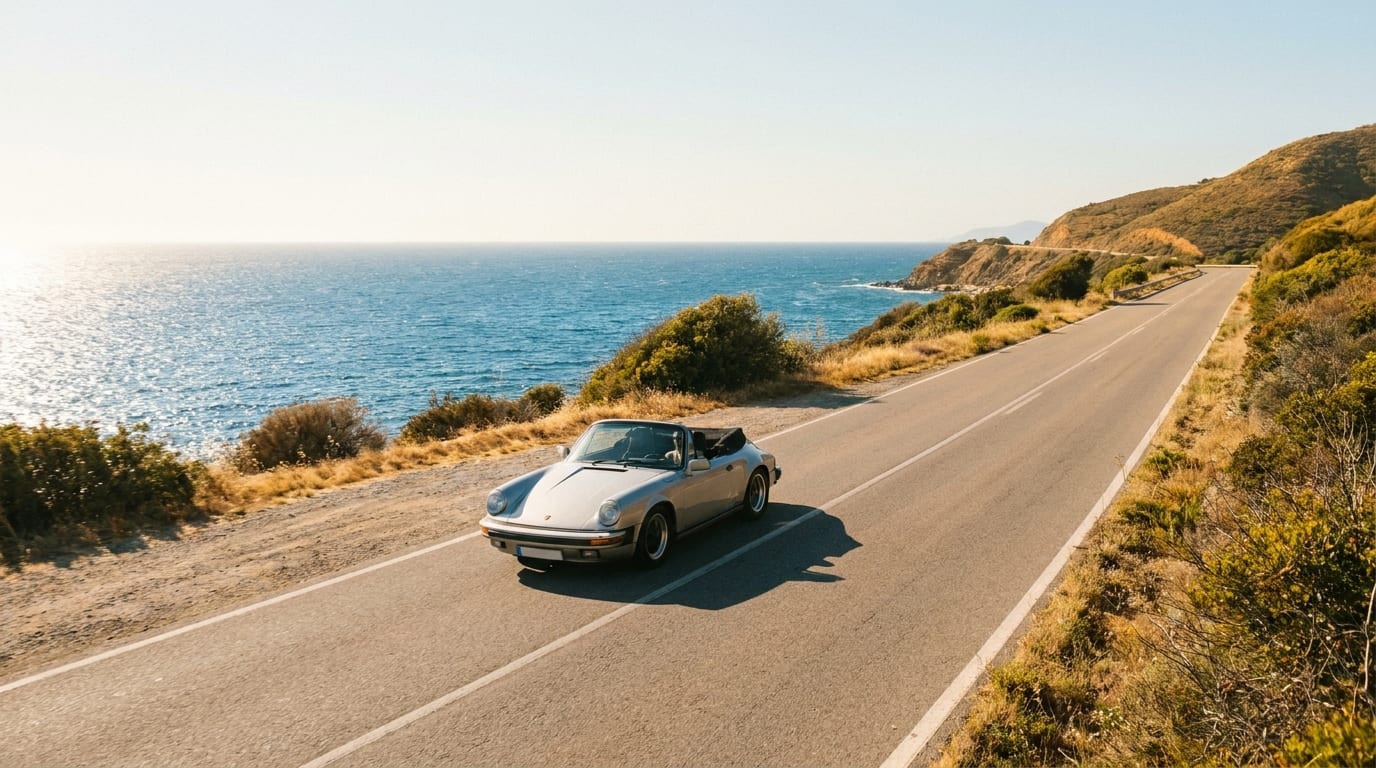
San Diego gets ranked one of the best climates in the country almost every year, and that reputation isn't wrong exactly. It's just incomplete. Behind the 70-degree afternoons is a coastline pumping salt particulate into the air, a marine layer that soaks everything parked outside overnight, and a UV index that ranks among the highest in the continental US. If you're searching for the best car cover for San Diego, CA coastal salt air, you're already ahead of most car owners here, because the factory clear coat and whatever cover came bundled with your last purchase probably weren't built for this specific combination.
Cars parked in Pacific Beach, Ocean Beach, La Jolla, Coronado, and Point Loma take the worst of it. Corrosion shows up faster on chrome trim and wheels in these zip codes than it does 20 miles inland in El Cajon or Escondido. And here's the part people miss: you don't have to live two blocks from the water to get hit. Salt particles travel on the wind and settle on parked cars well past the beach communities, quietly oxidizing exposed metal even on vehicles that never see sand. A cover that works fine in Phoenix or Denver isn't necessarily built for what's happening here. This guide breaks down the actual features that matter for coastal San Diego conditions, not the generic "all-weather" pitch you'll find on most covers.
Why San Diego's Coastal Climate Is Hard on Your Car's Finish
The marketing version of San Diego weather is sunshine and low humidity. The real version, if you park outside, is a slow grind of three things happening at once: salt air, persistent moisture, and relentless UV.
Salt doesn't need you to drive along the coast to find your car. It rides the wind and settles on paint, trim, and wheels whether the vehicle moved that day or not. Combine that salt film with the moisture that shows up most mornings, even during the dry season, and you've got the exact recipe that pits chrome and dulls clear coat over time. It's gradual. You won't notice it week to week, but compare a car that's sat outside in PB for two years against one garaged in Escondido and the difference is obvious.
That's really the point of this whole guide: match the cover's features to these specific coastal threats, not a generic "protects from weather" bullet point on a product page.
The Three Coastal Threats a Car Cover Needs to Handle
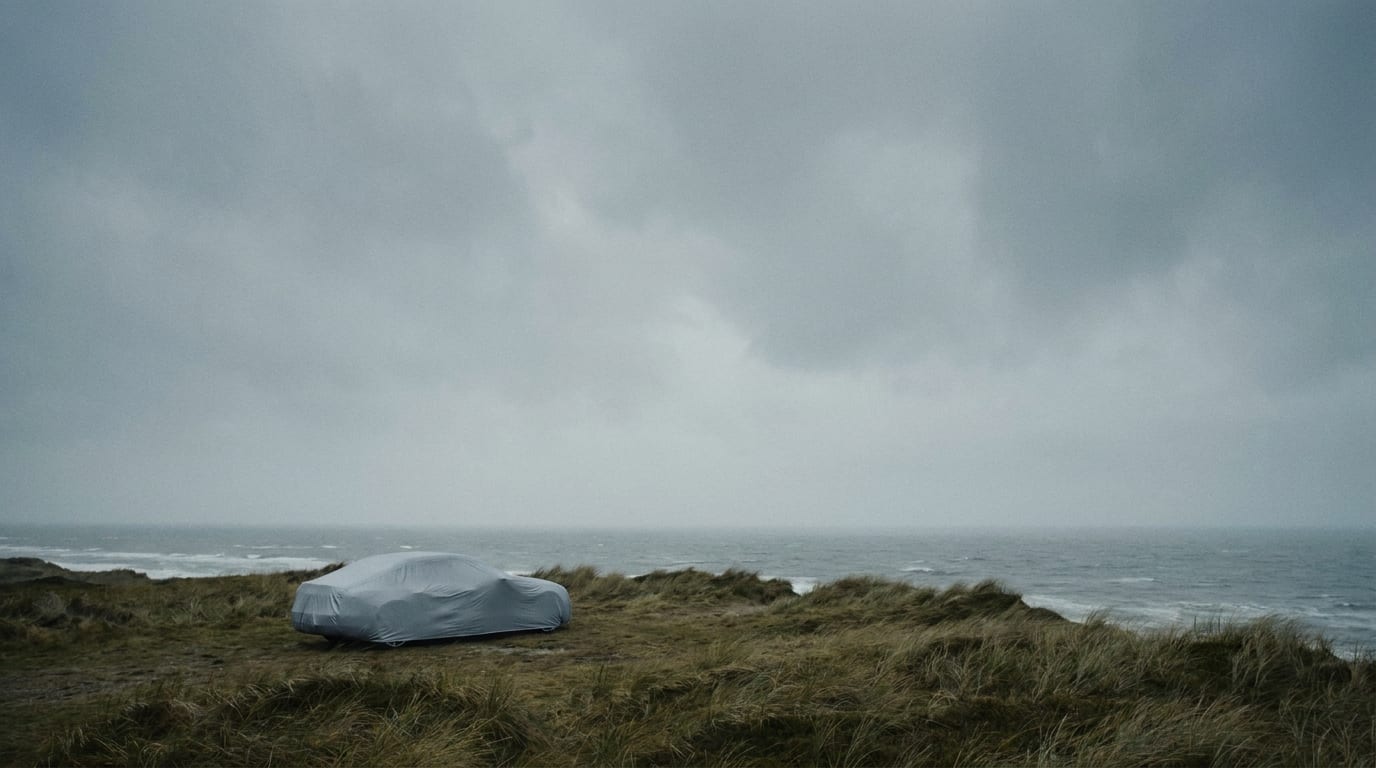
Three things are working against your paint here, and they don't all require the same defense.
Salt air corrosion. Fine salt particulate settles on exposed paint and metal daily. Mixed with overnight moisture, it becomes mildly corrosive, slowly pitting chrome and dulling clear coat over months of repeated exposure. It's not dramatic. It's cumulative.
Marine layer moisture. That gray morning fog rolling in off the Pacific isn't just an inconvenience for your commute. It settles on everything outside overnight, cover included, even in July. A cover that can't breathe traps that moisture against your paint, which is worse than no cover at all in some cases.
UV intensity. San Diego logs well over 260 sunny days a year. That's a lot of UV loading on anything left outside all day, and it matters just as much as waterproofing for cars that spend daylight hours uncovered in a driveway or on the street.
There's a fourth, smaller factor worth flagging: Santa Ana winds, typically in fall. They're not a daily concern, but a cover without solid strapping will end up half off the hood after one good gust event, letting salt-laden air underneath exactly when you don't want it.
Must-Have Features for a Salt-Air-Ready Cover

Here's where the generic "waterproof car cover" advice actually falls apart for this climate. You want breathable, water-resistant fabric, not something fully non-porous. Non-porous material blocks rain fine, but it also traps whatever humidity gets underneath, and in a marine layer climate that humidity shows up nightly whether it rains or not. A cover that breathes lets that trapped moisture escape instead of brewing mildew against your clear coat. We go deeper on this tradeoff in our guide to waterproof car covers.
UV resistance needs to be a year-round spec, not a rainy-season afterthought. San Diego doesn't really have an off-season for sun exposure.
Inside, look for a soft, non-abrasive lining. Wind shifts covers against paint constantly, and if there's dried salt residue sitting on the fabric, a rough lining will grind it into the clear coat like fine sandpaper every time the wind picks up.
Reinforced grommets and a real strap or cable system matter more here than in most climates, specifically because of Santa Ana gusts. A cover that isn't anchored well enough will work itself loose, and once it's flapping, you've lost the breathability benefit along with letting moist, salty air circulate right where you didn't want it. Our guide to installing gust straps covers the setup in detail.
If you're near one of the drier inland-facing canyons where blowing dust mixes in with the salt air, an anti-static or dust-resistant treatment is a nice bonus, though not essential for most coastal parking situations.
Outdoor vs. Indoor Covers: Matching the Cover to How You Actually Park in San Diego
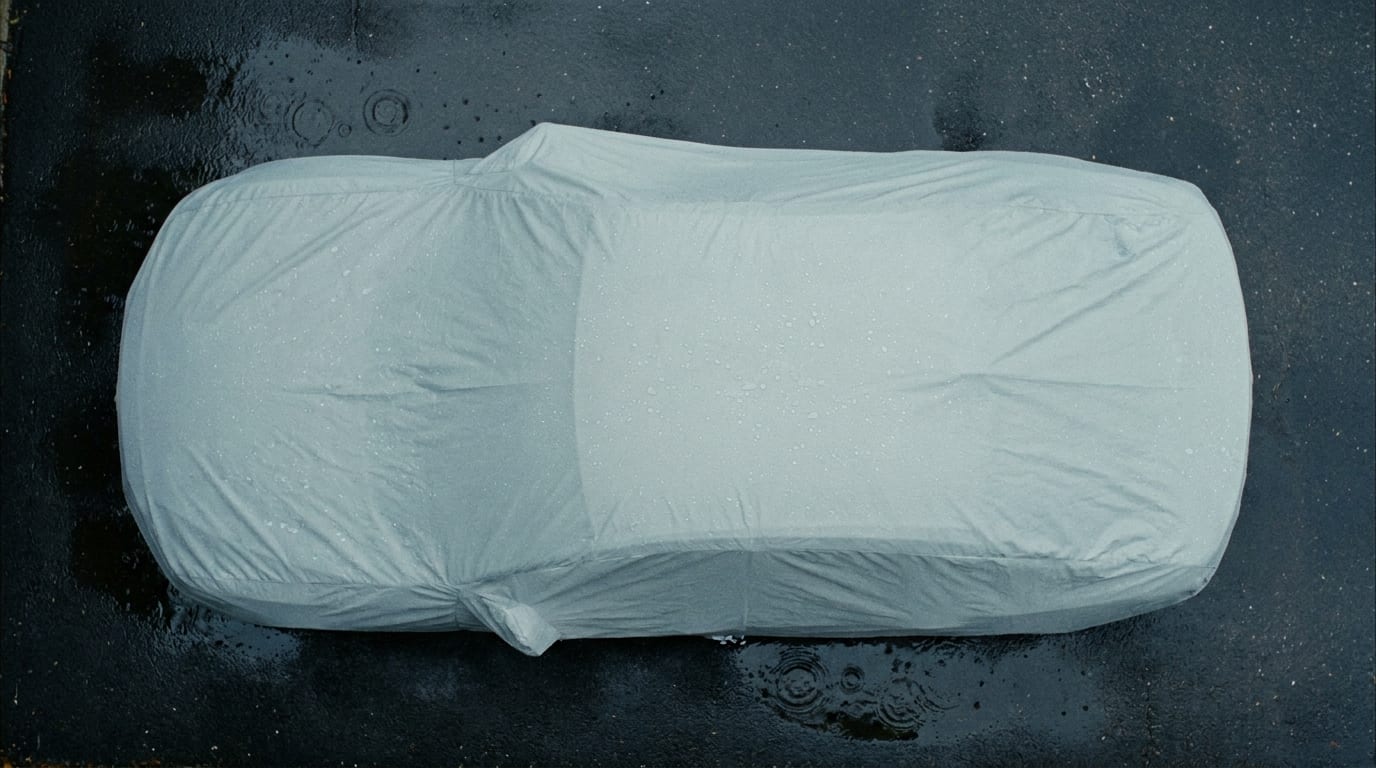
Where you park matters more than most buyers think. If you're on the street in dense coastal neighborhoods like PB, OB, or the stretch of North Park closest to the coast, you need a full outdoor car cover rated for daily UV and moisture exposure. There's no partial-protection option here. Your car is outside around the clock, so the cover needs to be built for it.
If you've got a driveway or carport with some overhead coverage, you can usually get away with a lighter-weight outdoor cover instead of the heavy-duty version meant for fully exposed storage. Less sun exposure, less direct moisture, less need for the heaviest fabric on the market.
Garage-kept cars are a different conversation entirely. If your car only sees salt air on the drive to Mission Bay or the coast and otherwise lives in a garage, an indoor car cover is about dust and scratch protection, not salt or UV defense. Don't confuse the two. Using an indoor cover outdoors, even briefly, skips every protection this article is actually about.
This split maps pretty directly onto real San Diego living situations: HOA coastal communities with covered carports can often go lighter, while apartment dwellers stuck with street parking need the full outdoor spec, no shortcuts.
What Fabric Actually Holds Up to Ocean Air
Multi-layer woven fabrics generally outperform single-layer treated fabrics when it comes to repeated salt and moisture cycling. The extra layers give the cover more structure to shed moisture while still letting trapped humidity work its way out, rather than just sitting against one thin treated surface that degrades faster under daily salt exposure.
This is also where the fully-waterproof myth causes real damage. A non-breathable fabric seals out rain just fine, but it also seals in the condensation that forms underneath overnight from the marine layer. Over weeks, that trapped moisture does more harm to your paint than just leaving the car uncovered would. Breathability isn't a nice-to-have feature here, it's the whole point.
Stitching and seam sealing matter just as much as the fabric itself. Salt-laden moisture is patient. It finds the weakest seam before it finds a weakness in the fabric itself, so a cover with great material and sloppy stitching will still let moisture through over time. If you want the material science behind all of this, our waterproof fabrics breakdown goes further into how these fabrics are built and tested.
Getting the Right Fit for Your Vehicle
A loose, universal-fit cover is a liability in a windy coastal environment. It flaps in onshore breezes, which does two bad things at once: it grinds any surface grit against your paint, and it opens gaps that let moist air circulate right underneath, defeating the point of covering the car in the first place.
A custom-fit cover solves both problems by hugging the body lines closely enough that wind has nothing to grab. When you're sizing one, measure carefully, and pay attention to mirror pockets and antenna clearance, especially if you're covering an SUV or truck, which make up a big share of vehicles here given how many people haul boats and kayaks down to Mission Bay. Our sizing guide walks through the measurements step by step.
If you drive a popular make in the San Diego market, whether that's a coastal commuter sedan or a truck that tows regularly, check your manufacturer's dedicated page before defaulting to a universal cover. Brand-specific fit tends to be noticeably better than one-size-fits-most.
Maintenance: Keeping a Cover Effective Against Salt Buildup
A cover isn't a buy-it-and-forget-it product on the coast. Salt residue builds up on the fabric surface itself over weeks, which means the cover needs occasional rinsing, not just your car. Skip this and you're eventually just pressing concentrated salt against your paint every time the cover shifts.
Clean it the right way. Harsh detergents or improper washing methods can strip the UV coating or water-resistant treatment right off the fabric, which defeats the purpose of buying a coastal-rated cover in the first place. Our guide to cleaning a car cover covers safe methods that won't degrade the material.
Strap and cable installation deserves the same attention. A loosely secured cover is an open invitation for wind to lift an edge overnight, letting salt-laden marine air settle right against the paint you were trying to protect. For anyone keeping a car outdoors full time, our guide to using a car cover outdoors is worth a full read.
It's also worth checking warranty coverage before you buy. A cover working this hard against salt, UV, and wind, day after day, is going to wear differently than one sitting in a garage in a dry inland climate, and a solid warranty is a reasonable safety net for that.
Choosing Your Cover: Next Steps
The decision really comes down to two things: how exposed your parking situation is, and how close you live to the coast. Fully exposed street parking in PB or OB calls for the heaviest-duty outdoor option. A covered carport inland of that can go lighter. A garage-kept car just needs dust protection, not the full salt-and-UV package.
Whatever you land on, don't compromise on breathability, UV resistance, or secure strapping. Those three aren't optional extras for this climate, they're the baseline for a cover that can actually handle San Diego's particular mix of salt air and sun.
If you're ready to start narrowing things down, take a look through top-rated car covers or browse the full car cover lineup to find a model-specific fit for your vehicle. And if you're not ready to buy yet, it's worth bookmarking this guide, salt air damage builds slowly, so getting ahead of it now is cheaper than fixing clear coat later.