Articles Seasonal & Weather Car Care Tips
Best Car Cover for Seattle, WA Constant Rain: A Local Buying Guide
Published
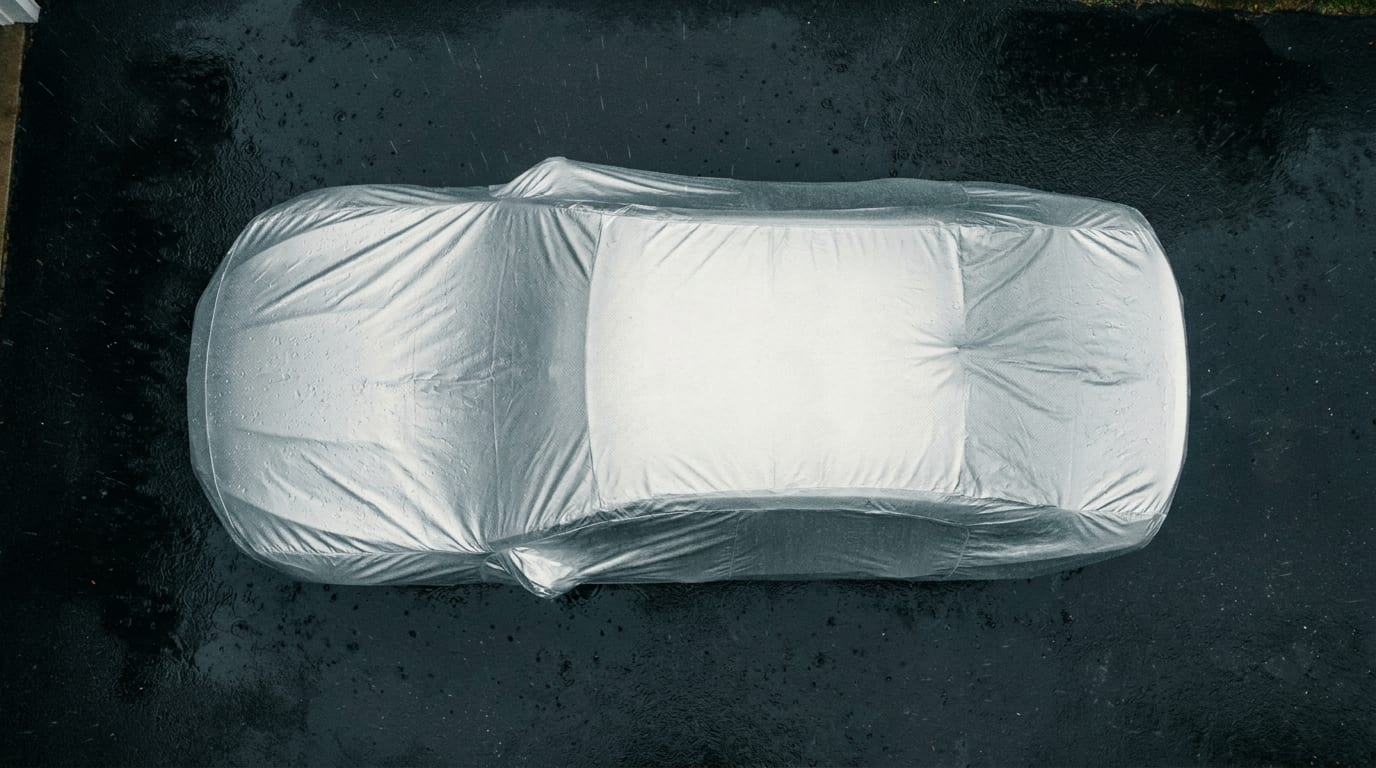
Seattle doesn't get hit with the dramatic downpours you'd see in Houston or Miami. It just rains. Quietly, persistently, most days of the week, from October through May. That pattern is exactly why the best car cover for Seattle, WA constant rain isn't the same cover that works great in Phoenix or even Portland's drier stretches. This guide walks through what actually matters here, not a generic "top 10 covers" roundup.
Why Seattle Rain Is Different (and Harder on Car Covers)
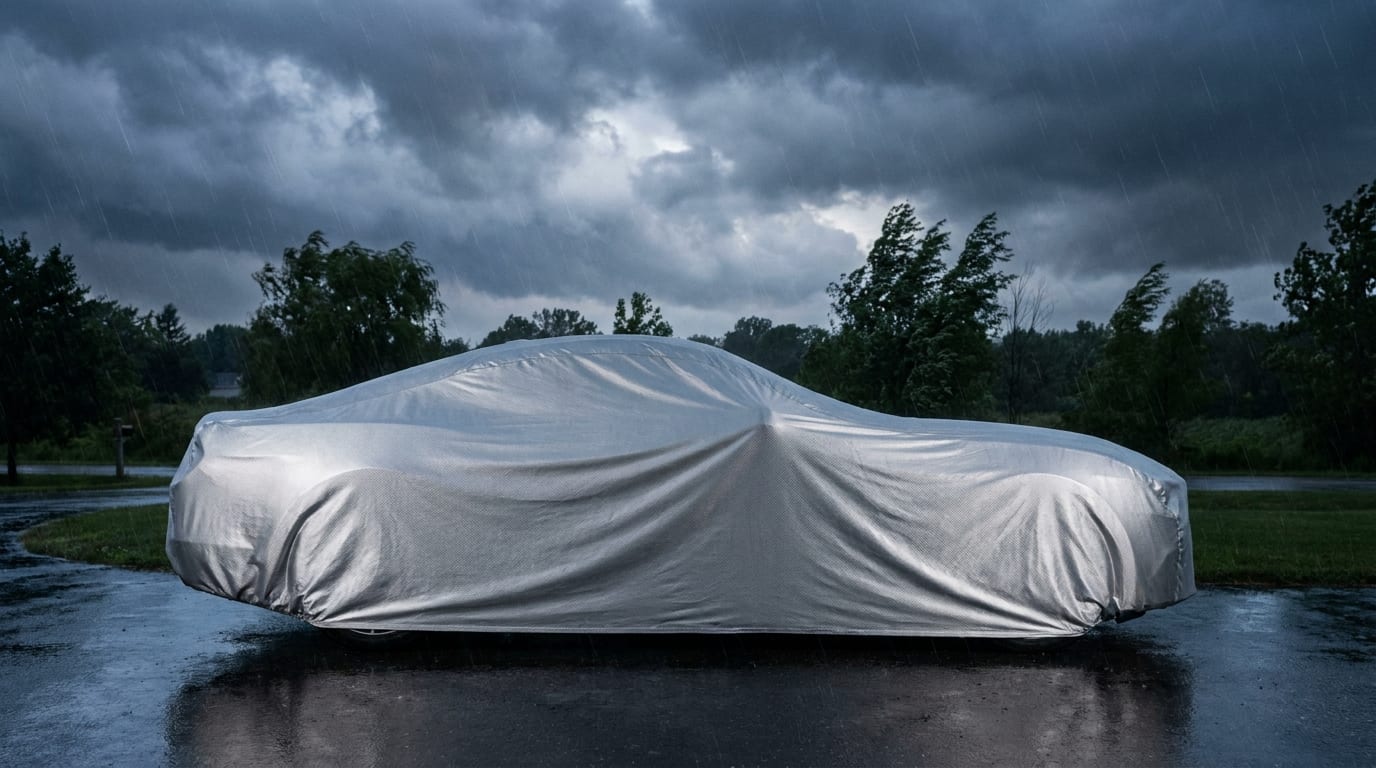
Seattle logs more than 150 rainy days a year, but the total rainfall is lower than plenty of cities that get fewer wet days overall. That's the catch. It's not intensity wearing down your cover, it's duration. A cover here deals with repeated light-to-moderate soaking, day after day, for months at a stretch.
Combine that with mild temperatures, rarely freezing, rarely hot, and you get a near-perfect incubator for mold and mildew if the fabric underneath can't breathe. Add Puget Sound humidity to the mix and a car can stay damp under its cover for days instead of drying out between storms like it would in a drier climate. That's the real challenge: not keeping water off, but keeping moisture from getting trapped once it's there. Everything below is built around that one problem.
The 3 Features That Actually Matter for Pacific Northwest Weather
Cut through the marketing copy and three things actually decide whether a cover holds up here.
First, waterproofing. Not water resistance, waterproofing. There's a real difference, and we'll get into it below.
Second, breathability. A cover that blocks rain but also traps condensation underneath is arguably worse than no cover at all, because now you've sealed moisture against the paint. Multi-layer fabrics are built to let that trapped vapor escape while still keeping rain out.
Third, a secure fit. Wind off the Sound can gust hard enough to shift a loose cover, and once it shifts, water starts pooling in the low spots instead of running off. Covers with built-in wind straps or cable systems handle this better than a basic elastic-hem cover.
UV resistance matters less here than in Arizona, but don't skip it entirely. Seattle gets real dry stretches in July and August, and a cover that's only built for rain can degrade fast once direct sun becomes the bigger threat for a few months.
Waterproof vs. Water-Resistant: Why the Distinction Matters in Seattle

This is where a lot of people get burned, literally the opposite problem, soaked. Water-resistant covers use a coating that sheds light drizzle fine. Soak that same coating day after day for a few months and it wears thin, then it stops working. Water starts seeping through at exactly the time of year you need it most.
A truly waterproof cover uses a different fabric construction, often a laminated or multi-layer barrier, that doesn't rely on a surface coating wearing in your favor. That's the difference between "good enough for an occasional storm" and "built for rain most days of the week, five or six months a year." Seattle is firmly the second category.
If you want the technical rundown of fabric layers, coatings, and how each performs under sustained exposure, CarCovers' waterproof fabrics breakdown is worth reading before you buy. While you're comparing options, check whether the cover also carries a mildew-resistant treatment. Waterproofing keeps water out; mildew resistance deals with what happens to the moisture that still finds its way in through zippers, seams, or antenna cutouts.
Matching Cover Tiers to Pacific Northwest Driving Habits
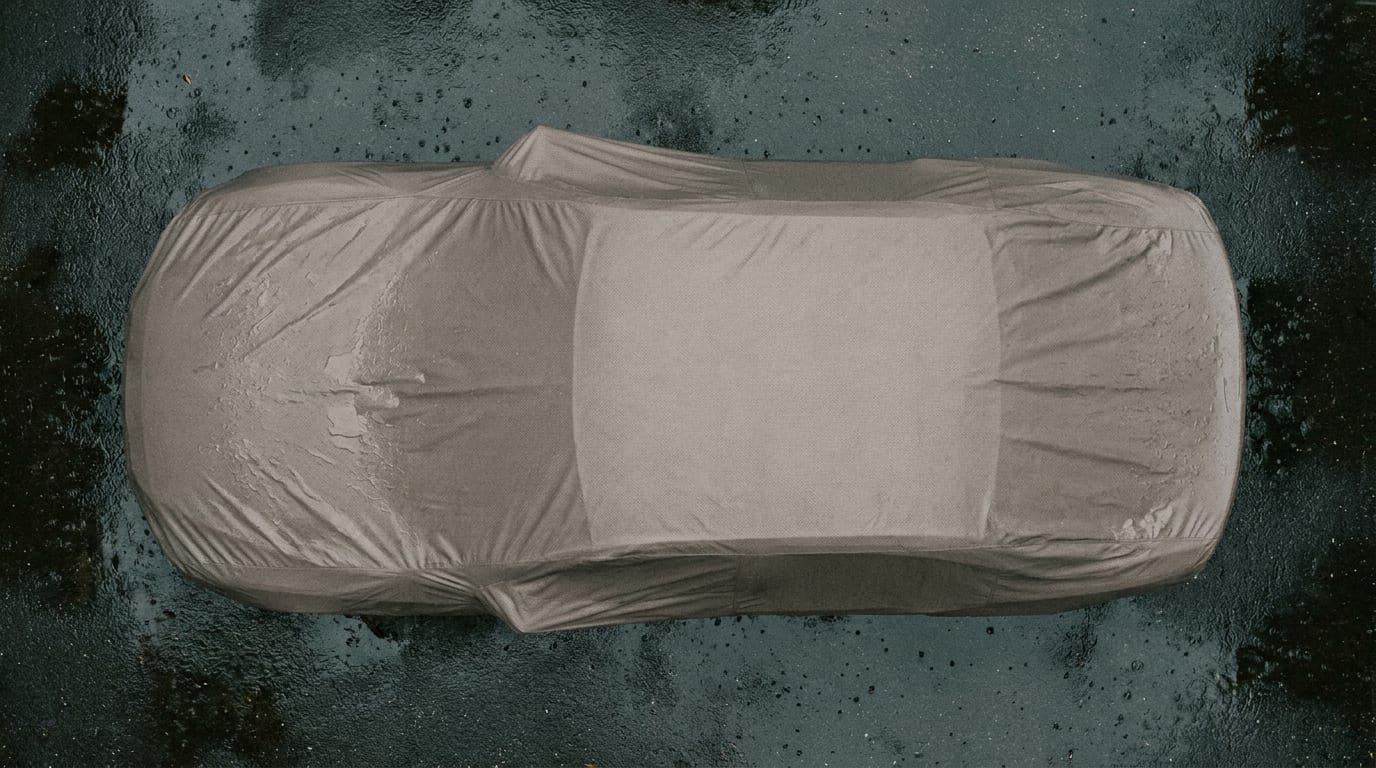
Not every Seattle driver needs the same cover, and buying the heaviest option available is sometimes overkill.
If you're parking on the street in Ballard, West Seattle, or any neighborhood without a garage, your car is getting the full brunt of constant exposure. That calls for a heavier-duty outdoor car cover built specifically for daily rain, not an occasional-use cover meant for weekend storage.
If you're in Bellevue or Sammamish with a garage or carport, you're mostly shielded from direct rain, and a lighter indoor car cover designed for dust and minor moisture might do the job instead. No point paying for heavy-duty waterproofing your car will rarely need.
Somewhere in between, there's a decision to make about how exposed your actual parking spot is, not just your zip code. CarCovers' outdoor cover guide walks through mid-weight versus heavy-duty options based on exposure level, which is the more useful way to shop than "what does everyone else in Seattle buy."
One group that needs extra attention: soft-top and convertible owners. Water finds seams fast, and a loose universal cover leaves exactly the gaps where that happens. A snugger, custom-fit cover matters more for these vehicles than almost any other category.
Fit and Installation Tips for Constant-Rain Climates
Fit isn't a minor detail here, it's half the battle. A universal cover with loose fabric creates pockets where water collects instead of running off. Over a day or two that's annoying. Over a Seattle winter, sitting under a car cover for days between dry spells, that's where mildew starts.
Custom-fit covers reduce those pooling points because they follow the actual contours of your vehicle instead of draping over it. Combine that with properly installed wind straps and you've solved the two biggest fit-related failure points: sagging fabric that touches wet paint, and shifting fabric that lets rain in. Sagging is the one people underestimate. Cover touching paint for extended periods traps moisture right against the surface, and that's a worse outcome than no cover at all.
If you're installing straps for the first time, the gust strap installation guide covers how to keep a cover secured through actual Pacific Northwest wind, not just a light breeze. And before you buy anything, run your vehicle's dimensions through the cover size guide. Too loose and you get pooling, too tight and you get stress points that wear through faster. Neither is what you want in a climate this wet.
Maintenance: Keeping a Cover From Becoming a Mildew Trap
A cover that looks clean isn't necessarily clean, not in Seattle. Constant low-grade dampness means mildew can build up underneath even when the outside looks fine. Covers here need more frequent airing out than they would in a drier climate, full stop.
When you do clean it, skip the harsh detergents and pressure washers. Both can strip the waterproof coating faster than normal wear would, which defeats the purpose. A mild soap, soft brush, and full air-dry before storing it does more good than an aggressive scrub.
Watch for the warning signs: a musty smell when you pull the cover off, dark spotting on the underside, fabric that feels stiff or brittle in spots. Catch it early and a deep clean usually fixes it. Ignore it for a season and you're probably looking at a replacement instead of a save. For the full process, the cover cleaning guide walks through each step without wrecking the waterproofing you paid for.
Find the Right Cover for Your Vehicle
Here's the short version. Confirm the fabric is actually waterproof, not just water-resistant, and that it's built to breathe. Match the tier to how exposed your parking spot really is. Get a fit that's custom or at least correctly sized, because loose and overly tight covers both invite water pooling in their own way.
Browse the full car cover lineup and use the coverfinder tool to narrow things down by your exact make and model. It's faster than scrolling through generic listings. Worth checking warranty coverage too. A cover that's working daily through a Seattle winter is earning its keep, and knowing it's backed by a lifetime warranty is good peace of mind for something taking that much abuse.
If you're still narrowing things down, stick around and poke through a few more guides on protecting vehicles in wet climates. No rush on the decision, just make sure whatever you land on is actually built for the kind of rain Seattle throws at it, not the kind other cities get.