Branded Car Cover vs Generic Car Cover: What Actually Changes When You Pay More
Published
The Verdict: Branded vs Generic Car Cover in One Paragraph
Here's the short version: a branded car cover earns its higher price through vehicle-specific fit, weatherproof materials that are actually tested and documented, and a warranty you can point to if something fails. A generic car cover is fine for short stints, mild climates, and tight budgets, but it usually fails first at the seams and the elastic hem, right where stress concentrates. If you park outside every day or you're storing a vehicle long-term, branded pays for itself. If you need something for two weeks or a spare in the trunk, generic is a defensible choice. Everything below just backs that up with specifics.
What 'Branded' vs 'Generic' Actually Means for a Car Cover
"Branded" doesn't just mean a recognizable logo stitched on the hem. In this context, it means a manufacturer that engineers the cover to specific make, model, and year dimensions, publishes actual fabric specs (denier count, layer count, UV rating, waterproof rating), and stands behind the product with a written warranty and a real return policy. You can find the spec sheet. You can find the fine print. That's the difference.
"Generic" means the opposite: a one-size-stretches-to-fit cover sold under a no-name label, frequently the exact same product rebadged from one overseas factory and sold by a dozen different sellers at a dozen different prices. No published fabric testing. No warranty worth mentioning, or none at all. The sizing chart says "fits sedans up to 190 inches" and leaves you to figure out the rest.
Worth saying plainly: price and logo alone don't settle this. Not every expensive cover is engineered well, and not every cheap cover falls apart in a month. The dimensions in the next section, fit, material, warranty, durability, are what actually separate a good cover from a bad one. Use those to judge, not the sticker price.
Branded vs Generic Car Cover: Side-by-Side Comparison
Laid out next to each other, the gaps are easier to see than they are to argue about.
| Dimension | Branded Cover | Generic Cover |
|---|---|---|
| Fit accuracy | Custom or semi-custom pattern cut to exact vehicle dimensions | Universal stretch-fit sized by rough vehicle length |
| Material & weatherproofing | Multi-layer woven fabric with published UV, waterproof, and breathability ratings | Single-layer polyester or PVC, specs rarely disclosed |
| Warranty & guarantees | Multi-year or lifetime warranty, documented return window | 30-day warranty or none at all |
| Durability | 3-5+ years with normal care | 6-18 months before seams, elastic, or grommets give out |
| Price range | Roughly $80-$250+ depending on vehicle and fabric tier | Roughly $20-$50 |
| Customer support | Dedicated support line, sizing help, documented returns | Marketplace seller, support is hit or miss |
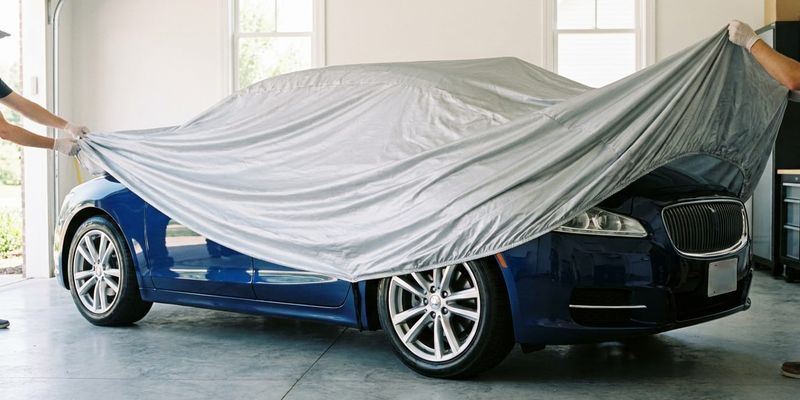
The fit row matters more than people expect. A loose universal cover flaps in wind, and flapping fabric is what scratches clear coat, not the cover sitting still. A custom-fit car cover that actually hugs the body panels doesn't have that problem in the first place.
Material is the other place the gap shows up fast. A cover that claims "waterproof" but won't say what that means in testing terms is making a marketing claim, not a spec. Covers built with layered, breathable fabric, the kind detailed on a waterproof car cover page, are solving two problems at once: keeping rain out and letting trapped moisture escape so it doesn't just sit against your paint.
When a Generic Cover Actually Makes Sense
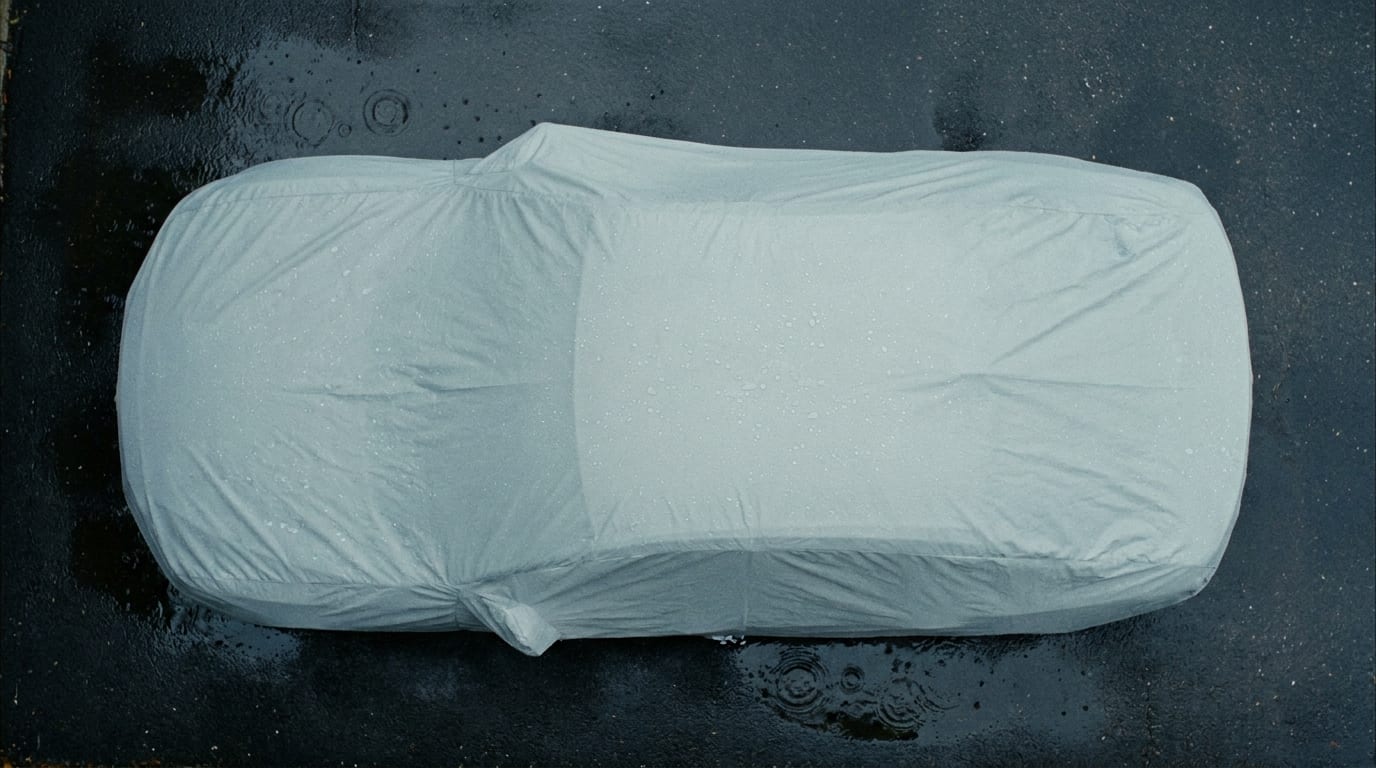
Not every situation calls for the expensive option. If you're covering a car for a two-week trip, riding out a single storm, or keeping dust off a car that's listed for sale, you don't need five years of durability. You need it to work for two weeks.
Same logic applies to garage or indoor storage. No UV exposure, no wind, no rain, so a thin dust cover does exactly what's needed and nothing more. Indoor use is genuinely the easiest case to defend buying generic.
A lot of people also keep a cheap cover in the trunk as backup, something to throw on if an unexpected hailstorm or overnight freeze shows up when they're away from home. That's a reasonable use for a generic cover. It's not meant to be the daily driver of car protection.
One caveat worth repeating: even in a short-term scenario, a loose stretch-fit generic cover can scratch paint if it's baggy enough to move in the wind. Before you trust one outdoors, even briefly, check that it's snug. A cover that balloons at the hood or trunk is doing more harm than good, no matter how cheap it was.
When a Branded Cover Is Worth the Extra Cost
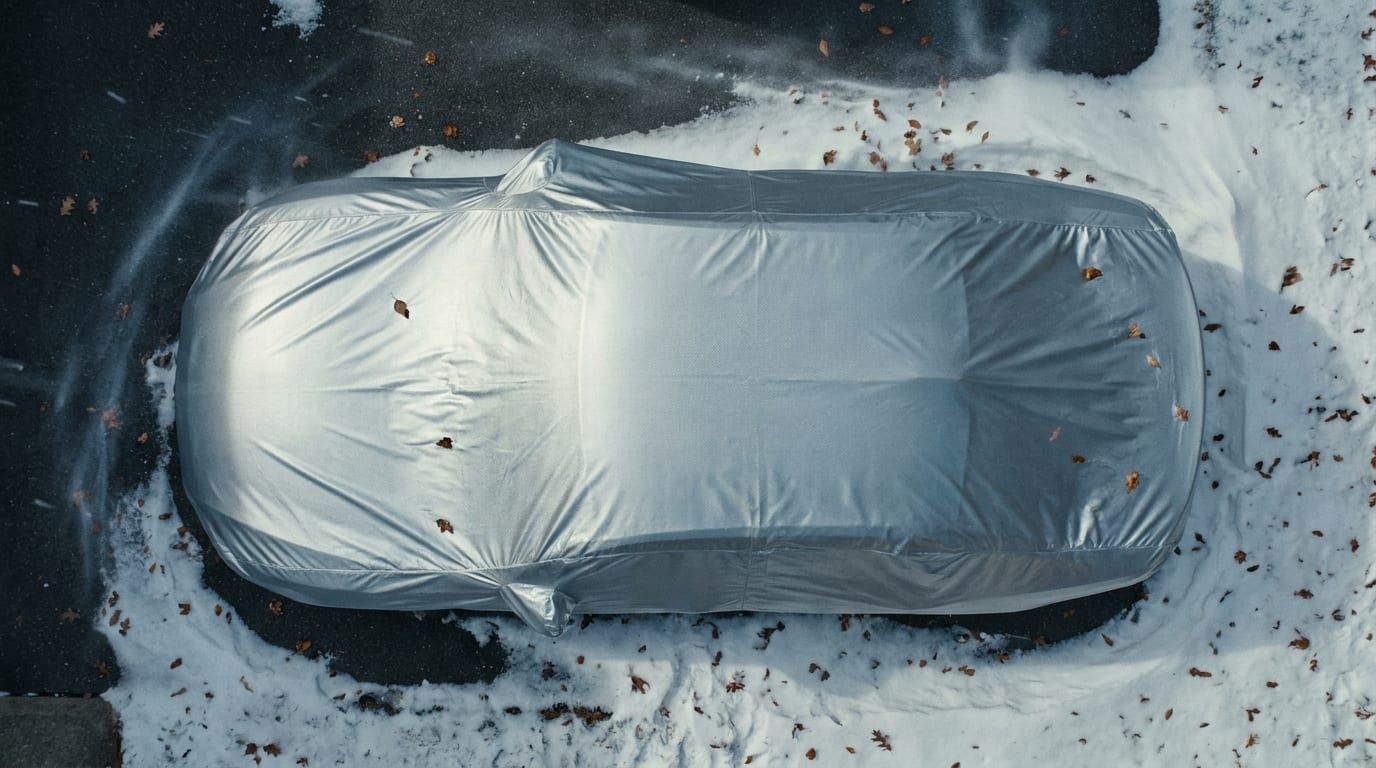
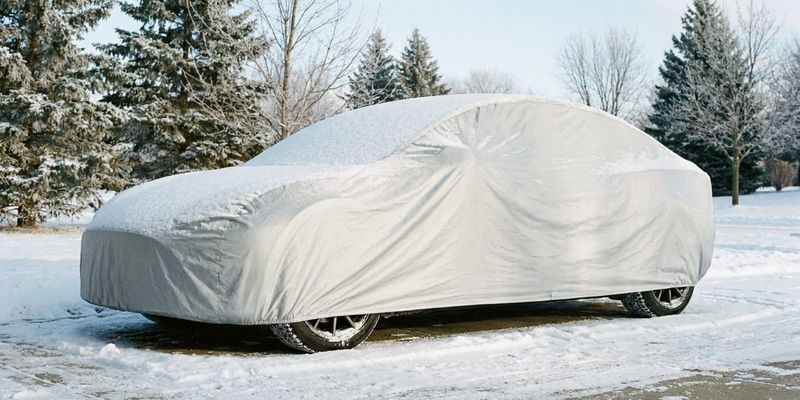
Daily outdoor parking is where branded covers separate from generic ones fastest. Sun, rain, snow, tree sap, all of it is a daily tax on the fabric, and breathability is what keeps moisture from getting trapped against the paint overnight. A thin, non-breathable generic cover can actually make things worse here, sealing in condensation instead of letting it out.
Long-term storage is the other clear case. Seasonal layup, a classic car under a sheet all winter, an RV parked for months, these are scenarios where a multi-year warranty and tear-resistant material actually get used and tested over time. You're not buying peace of mind for a week. You're buying it for a season or a year.
Extreme climates push the case further. Hail, coastal salt air, heavy winter snow load, these are exactly the conditions where a published weatherproof rating stops being a nice-to-have and starts being the reason the cover survives at all.
And if you want a warranty and return policy you can actually act on rather than hope a marketplace seller honors, that's worth something on its own. Knowing the terms of a lifetime warranty on car covers before you buy beats finding out what a seller will or won't do after the cover's already failed.
How to Vet Any Car Cover Before You Buy, Branded or Not
Brand name aside, here's what actually tells you whether a cover is worth the money.
Check whether the listing states exact vehicle fit, make, model, year, and trim, versus a vague size range like "fits sedans up to 200 inches." The first is engineered. The second is a guess dressed up as a size chart. If you're not sure what you need, running your vehicle through a cover finder tool or checking a car cover sizing guide takes the guesswork out.
Look for published fabric specs: layer count, waterproof rating, UV protection, breathability. If none of that is listed anywhere on the page, treat the "weatherproof" claim as unverified. It might be true. But you have no way to check.
Confirm the warranty length and what it covers, manufacturing defects only, or actual damage too, and whether there's a real return window behind it. Reading the warranty terms and the no-hassle guarantee before buying tells you more than any product description will.
Finally, read for the small stuff: grommets, a cable or strap system, reinforced seams. Cheap covers skip these constantly, and they're exactly the parts that fail first once wind gets involved.
Bottom Line: Match the Cover to How You'll Actually Use It
Run it as a quick decision tree. Short-term, indoor, mild climate: generic is a defensible call, no apologies needed. Daily outdoor parking, long-term storage, or harsh climate: branded pays for itself, usually within the first bad storm season.
If you're currently eyeing a generic cover and want to see what a properly fitted, documented alternative actually costs, it's worth comparing before you buy. Browse CarCovers' car cover lineup and see how the fit, material, and warranty stack up against whatever's in your cart right now.
This isn't about brand loyalty for its own sake. It's about matching the cover to the job. Buy for how you'll actually use the thing, not for the logo on the hem.