The Quick Verdict
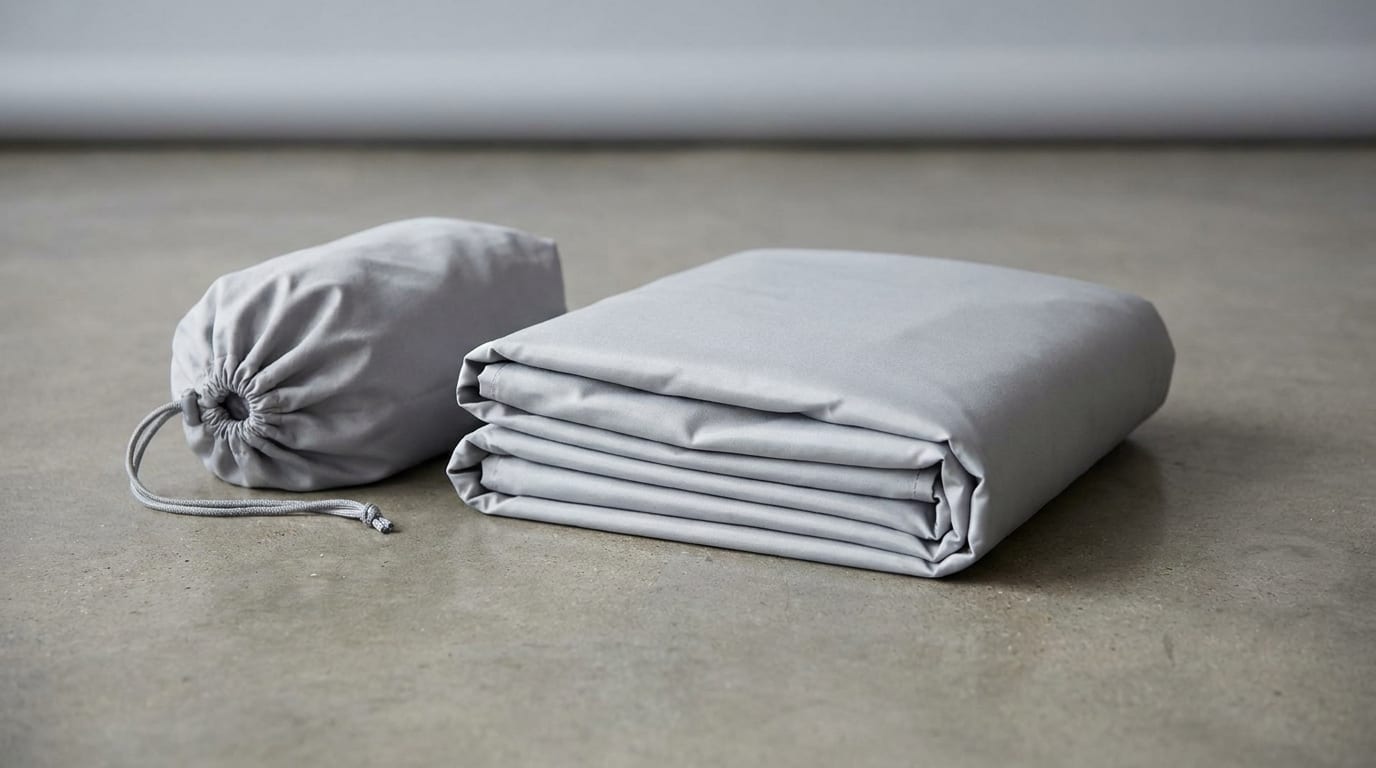
A car cover protects the vehicle itself: rain, sun, bird droppings, dust, all of it. A storage bag protects a folded car cover (or maybe your floor mats) from moisture and mildew while that cover sits unused in a closet or garage shelf. One guards your paint. The other guards your gear. They're not competing products, and they're definitely not interchangeable.
If you park outside, or you're putting a vehicle away for months at a time, you need a cover. Full stop. A storage bag is the accessory that comes after, the thing that keeps your cover in good shape between seasons. It's not a cheaper way to protect your car.
Here's where people get tripped up on the car cover vs storage bag question: they search "storage bag" expecting a budget cover alternative. It's not that. It's packaging and storage for a cover you already own.
Car Cover vs Storage Bag: Side-by-Side Comparison
Worth noting up front: CarCovers includes a storage bag free with select cover tiers, which is exactly why these two terms get tangled together in search results. People see "bag included" and assume it's a separate protective layer. It isn't, it's just the carrying case.
| Dimension | Car Cover | Storage Bag |
|---|---|---|
| Primary purpose | Protect the vehicle | Protect/store the folded cover |
| Protects against | Rain, UV, bird droppings, hail, dust | Moisture and mildew while in storage |
| Used while vehicle is parked outdoors | Yes | No, it's for off-season storage of the cover itself |
| Used while vehicle is garaged | Optional, lighter material | Yes, this is its core use case |
| Typical material | Breathable woven fabrics like polyester/cotton blends | Simple nylon or canvas pouch |
| Cost range | Roughly $50 to $300+ depending on fit and material tier | $10 to $30 standalone, often included free with a cover |
| Sold standalone or bundled | Standalone product | Frequently bundled free with premium cover purchases |
| Best for | Daily outdoor or indoor vehicle protection | Keeping a cover dry, clean, and ready between uses |
Laid out like that, the car cover vs storage bag comparison isn't close. They're solving different problems at different stages of ownership.
What a Car Cover Actually Protects Against
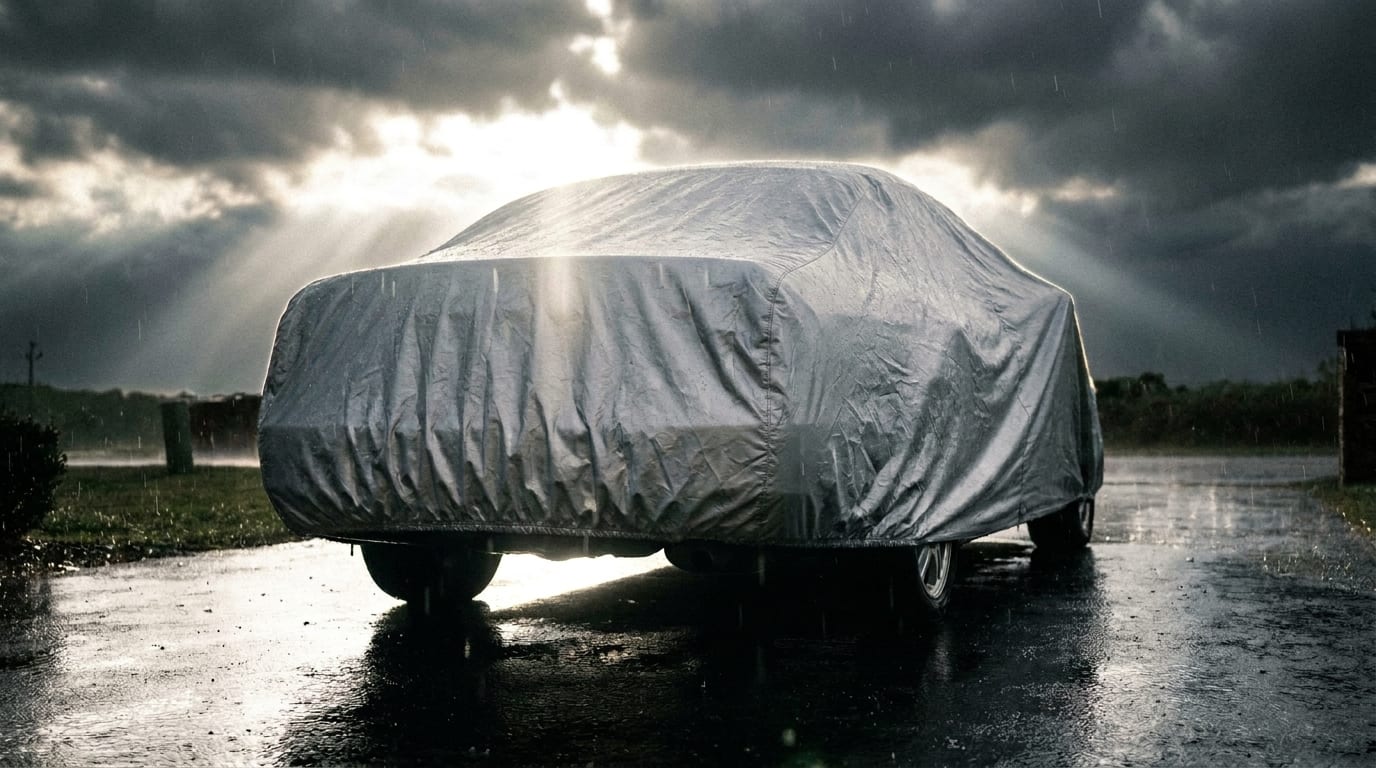
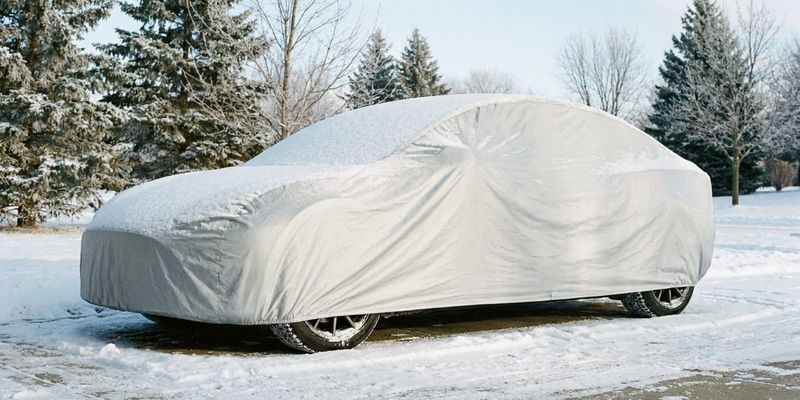
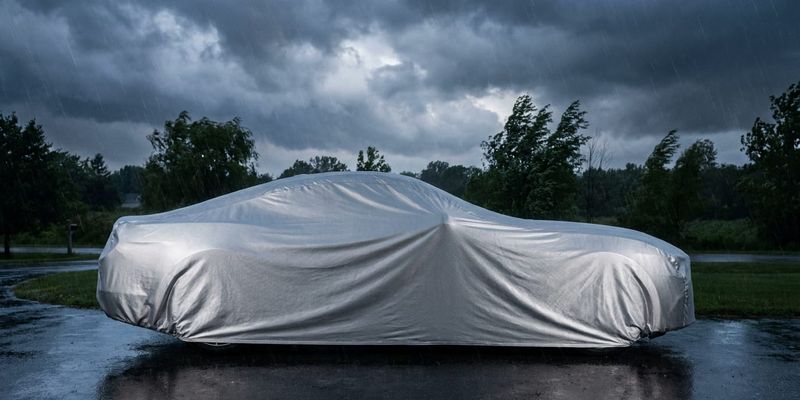
A decent cover is doing more work than people assume. UV rays fade paint and crack clear coat over time. Rain gets into seams and panel gaps if the fit is sloppy. Tree sap and bird droppings etch into finishes faster than you'd think, especially in summer heat. Add dust, pollen, light hail, and whatever's blowing around in the wind, and you've got a long list of slow, cumulative damage that a cover is specifically built to stop.
But not all covers handle all of that. Outdoor-rated covers are built for the fight: waterproof layers, UV stabilization, reinforced stitching at stress points. Indoor covers are a different animal entirely, soft and breathable, meant for dust and the occasional scuff in a garage, not a thunderstorm. Buy an indoor cover for an outdoor car and you'll be disappointed fast.
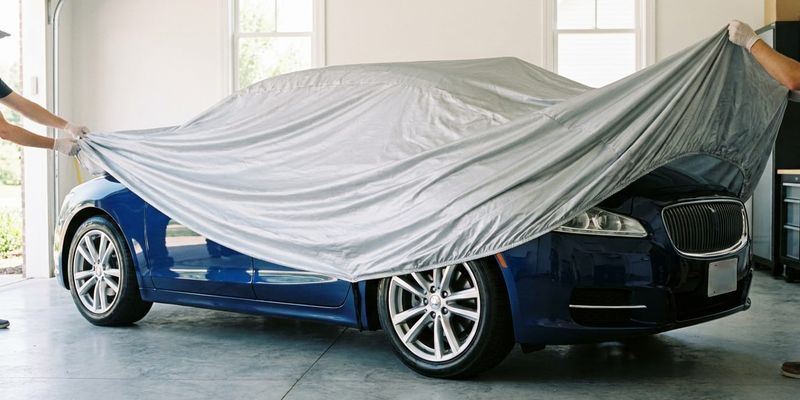
Fit matters just as much as category. A custom-fit cover hugs the body lines and keeps wind from getting underneath and flapping the fabric against your paint all night. A loose universal cover can actually cause scratches it was supposed to prevent. If you're not sure what you need, checking the right size for your vehicle before you buy saves you a return.
What a Storage Bag Is (and Isn't) Designed For

A storage bag's job is narrow, and that's fine. It holds a folded cover (or mats, or small accessories) so they don't collect dust or get crushed under other garage junk between uses. That's it. That's the whole job.
It offers zero weather protection for your actual car. None. It's not rated for rain, not rated for UV, not built to absorb impact. And you shouldn't be draping it over your paint expecting any kind of shield, because it was never designed to touch the exterior of a vehicle at all.
Here's the thing people miss: folding a damp cover into a bag is how you end up with a mildew problem. Trapped moisture plus fabric plus a sealed bag is basically a recipe for mold and a stale smell that doesn't wash out easily. The bag isn't the problem. A wet cover going into the bag is.
When to Choose Each (and When You Need Both)

If your car lives outside, daily or long-term, an outdoor-rated, properly sized cover is non-negotiable. There's no accessory substitute for that.
Garage-kept cars still pick up dust and the odd scuff from a bike leaning against them or a toolbox sliding too close. An indoor cover handles that fine, lighter material, easier to pull on and off daily. Since it's in near-constant use, it rarely needs a storage bag at all; it just stays folded on a shelf or draped over a rack between uses.
Seasonal vehicles are the real "you need both" case. Convertibles, classics, RVs parked for winter: you've got a fitted cover doing the actual protecting while the vehicle sits, and then a storage bag for whichever cover isn't currently on the car, say if you swap an outdoor cover for an indoor one once it's tucked safely in the garage for the season.
And if the real question is budget, here's the honest answer: a storage bag is not a cheaper substitute for a cover. It has no protective function for the car at all. Buying one instead of a cover to save money just means your car sits unprotected.
Caring for Your Cover So the Bag Actually Does Its Job
Clean and fully dry your cover before you fold it away. Skip this step and you're sealing moisture into fabric, which is exactly how mildew and that musty garage smell get started. If it's been a while, here's a step-by-step guide to cleaning a car cover that covers the basics without damaging waterproof coatings.
Fold along the seams the manufacturer built in, not wherever's convenient. Random folds crease the fabric in spots it wasn't designed to bend, and over time that weakens the waterproofing right along those lines.
Store the bagged cover somewhere cool and dry. Not a hot trunk, not a damp basement corner. Both environments work against the fabric even while it's just sitting there doing nothing. For more detail on keeping a cover in good shape year over year, this cover care guide is worth a bookmark, as is this breakdown on using covers indoors specifically if that's your main setup.
Bottom Line + Next Step
Buy the cover for protection. Treat the bag as the accessory that keeps that cover clean and ready for next time, nothing more.
If you haven't picked the right cover yet, that's the actual first decision to make, not the bag. A quick trip through a cover finder tool will match you to the right fit and material for your exact vehicle before you spend another minute thinking about storage accessories. And double check the product details before you buy a bag separately: plenty of CarCovers' premium tiers already include one free, so you might not need to.
Worth subscribing or poking around the rest of the guides if you're still figuring out what your car actually needs this season. It's a smaller decision than it feels like, but it's one worth getting right.