Fleece Lined vs Standard Car Cover: Which One Actually Protects Better?
Published
The Quick Verdict
Fleece lined vs standard car cover comes down to one question: where does your vehicle sleep at night? If it's garage-kept or tucked under a carport, a fleece lined cover is worth the extra money because that soft inner layer sits directly against your paint and protects it from fine scratching. If your car lives outside, in a driveway, on the street, through rain and sun and wind, a standard cover built for weather resistance is the smarter buy. Neither option is the "better" cover in some absolute sense. It's not a quality hierarchy, it's a storage-condition match.
Most people get this backwards. They buy fleece lining for a car that spends its life parked outside, where it offers no defense against rain or UV, or they slap a bare standard cover on a garage-kept classic and leave fine paint scratching on the table.
What Makes a Fleece Lined Car Cover Different
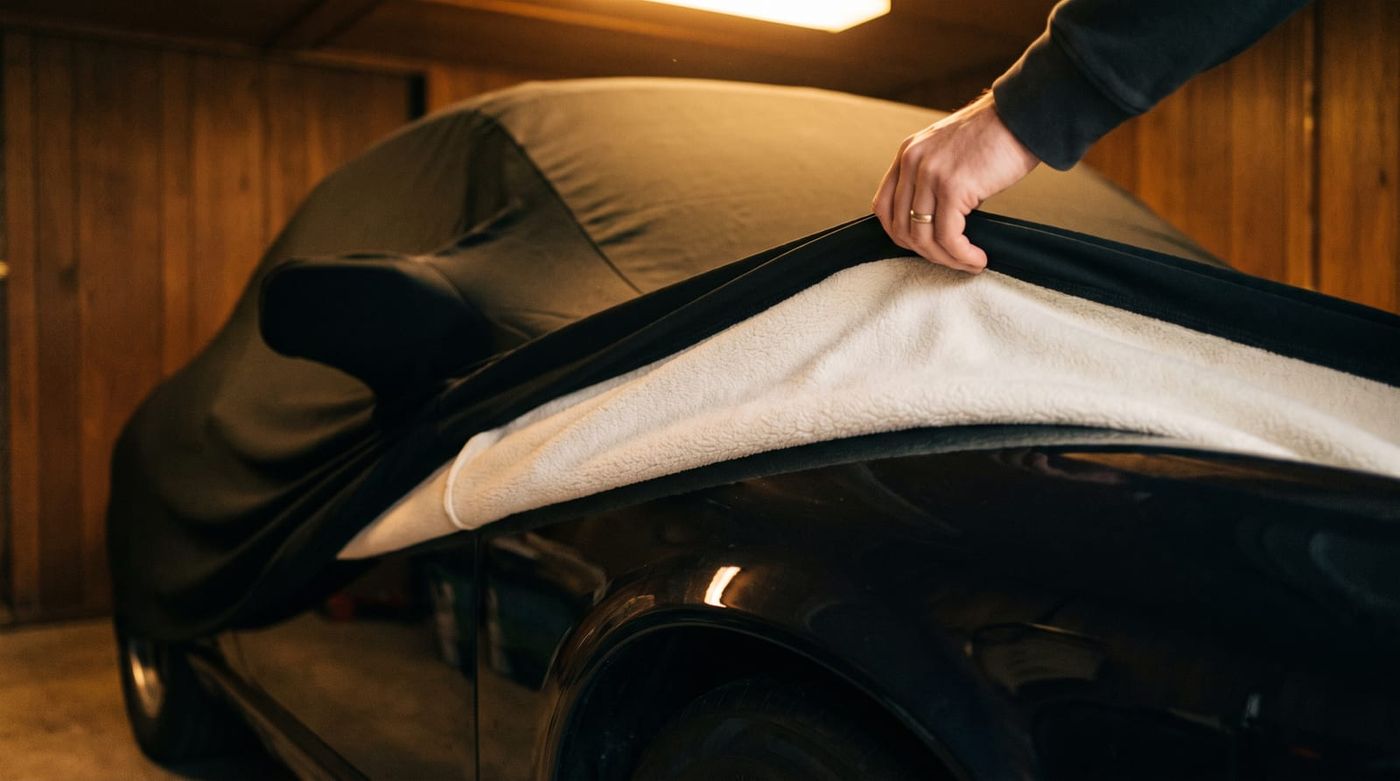
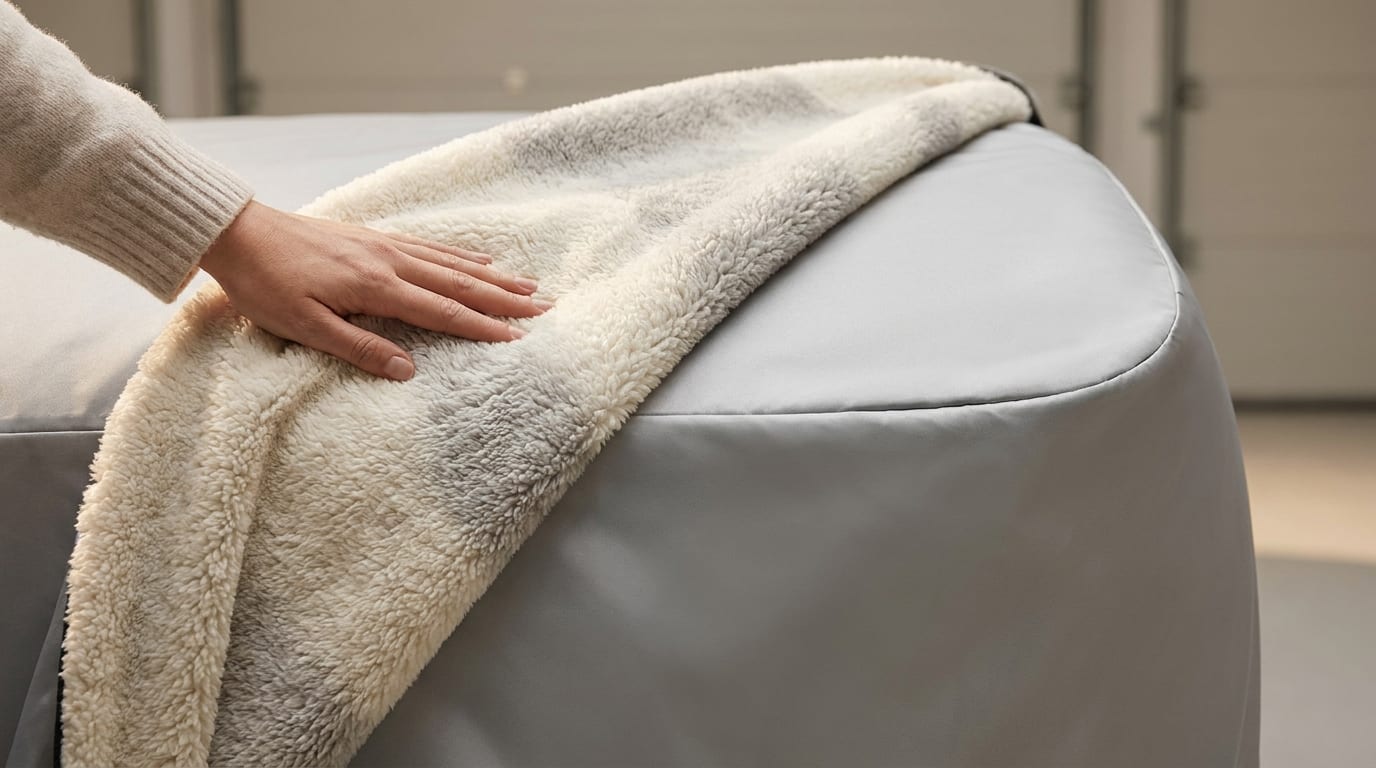
A fleece lined cover has a soft fleece or micro-fleece layer bonded to the inside of the outer shell. That lining is the whole point. It's designed to sit directly against your paint with no abrasive layer in between, which matters more than most people realize.
Here's why. Any cover moves. Wind pushes it around, you brush past it getting in and out of the garage, dust and pollen settle underneath over weeks of use. Without a soft inner surface, that movement grinds tiny particles against the clear coat and leaves fine swirl marks over time. Fleece lining is built specifically to stop that.
This makes fleece lined covers the natural fit for garage or carport storage, classic cars, show cars, or really any vehicle where paint condition matters more than shrugging off a storm. The tradeoff: that extra layer adds bulk and cost, and it's not built to handle sustained rain or UV exposure the way an outdoor-rated cover is. Use one outside for an extended stretch and you're asking for trouble.
If you're storing a car indoors and want to understand the full picture beyond just the lining, our guide to using car covers inside walks through the rest of it.
What Makes a Standard Car Cover Different
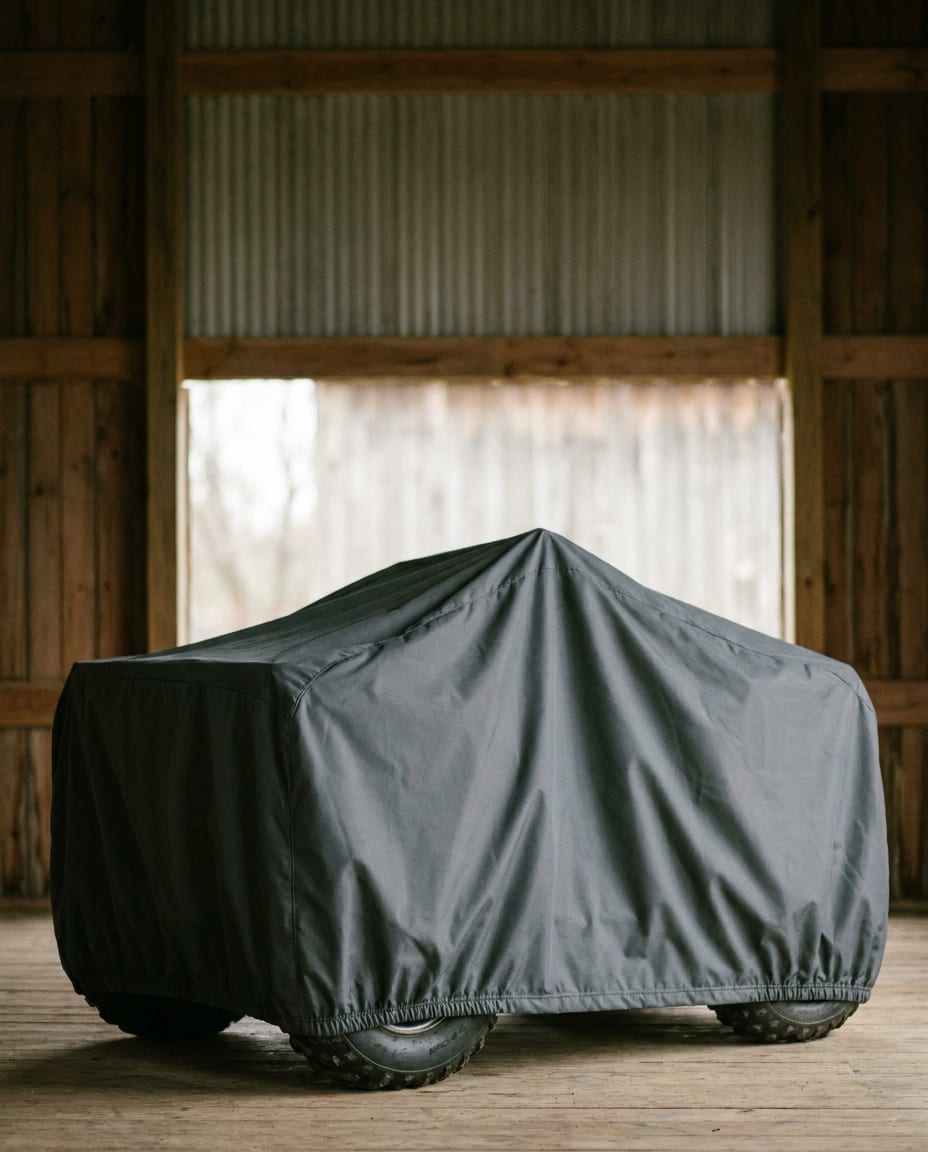
Standard covers skip the soft inner layer entirely. Instead, you get a single or multi-layer woven or non-woven outer shell, engineered for breathability and weather resistance rather than a soft touch against paint.
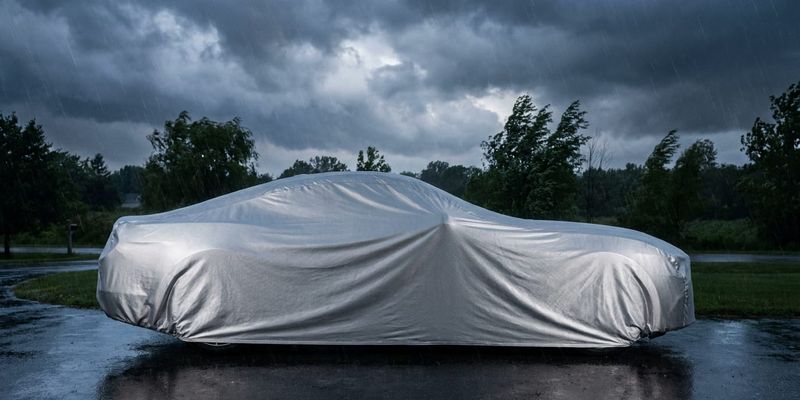
The priority here is different. A standard cover is built to handle UV exposure, rain, and dust accumulation for a vehicle that's parked outside daily, week after week, season after season. Because there's no fleece layer, standard covers are lighter, easier to fold, and easier to stash in a trunk. They're also generally cheaper.
The tradeoff runs the other direction from fleece lined covers. Direct contact between a standard shell's inner surface and your paint can cause light marring, especially if you're yanking the cover on and off carelessly or if grit gets trapped underneath before you cover up. It's manageable with decent habits, but it's a real factor. Our guide to using a car cover outdoors covers how to minimize that risk when you're dealing with wind, rain, and UV on a regular basis.
Fleece Lined vs Standard Car Cover: Side-by-Side Comparison
| Factor | Fleece Lined | Standard |
|---|---|---|
| Best storage environment | Indoor, garage, carport | Outdoor, all-weather |
| Paint protection | Highest, soft inner layer | Moderate, depends on care |
| Weather resistance | Limited | Built for rain, UV, wind |
| Weight and bulk | Heavier, bulkier | Lighter, more packable |
| Price range | Higher | Lower |
| Breathability | Breathable, traps less moisture indoors | Breathable, built for outdoor airflow |
| Ideal vehicle type | Classics, show cars, garage-kept dailies | Daily drivers parked outside |
| Maintenance | Gentler washing to preserve lining | More wash-and-wear durable |
Worth noting: some premium cover lines combine a weatherproof outer shell with a fleece inner layer, giving you a hybrid option for vehicles that spend most of their time indoors but occasionally sit outside for a few hours. If that's your situation, it's worth looking at those combo builds instead of forcing a choice between the two extremes.
Which One Fits Your Situation
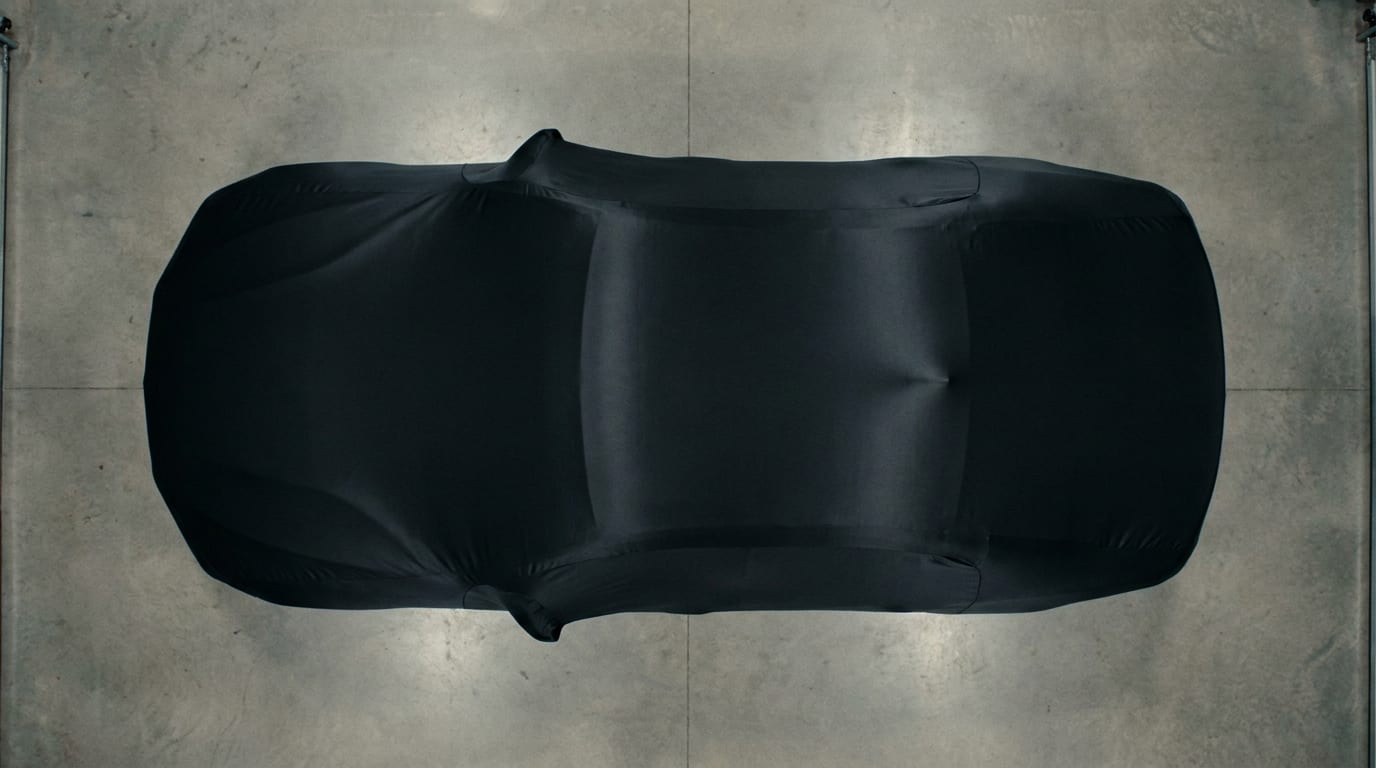
If your car lives in a garage or carport and only steps outside for short trips, fleece lined is the stronger pick. That's the scenario it's built for.
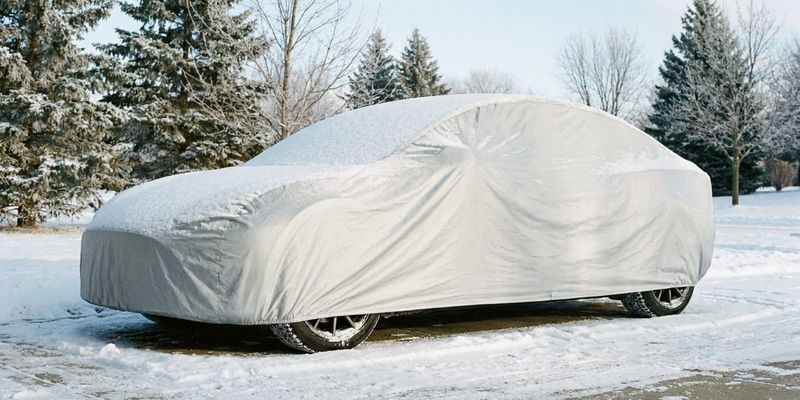
Daily outdoor parking, a driveway, street parking through sun, rain, or snow? Go with a standard outdoor-rated cover. It's the practical choice, and fleece lining would just add cost without doing much for you out there.
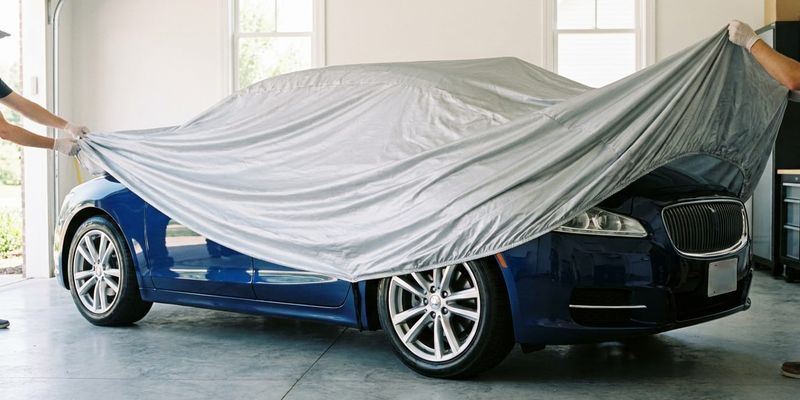
Classic cars, collector vehicles, or anything recently painted deserve the fleece lined treatment. You're putting the cover on and taking it off constantly, and that repeated contact is exactly where fine scratching happens.
Budget-conscious owners protecting a daily driver from dust and sun, without worrying about showroom-level paint finish, will get adequate protection from a standard cover at a lower price point.
One thing that matters regardless of which type you choose: fit. A loose cover flaps around in the wind and increases the exact kind of movement that causes scratching, lining or no lining. Before buying either type, get your vehicle sized correctly, or look at custom-fit options built to your exact make and model. A perfectly fitted standard cover will often outperform a loose fleece lined one.
Cost and Longevity Differences
Fleece lined covers cost more upfront. That extra material layer and the labor to bond it to the shell add to the price, plain and simple.
Standard covers can need more frequent washing, or even earlier replacement, if they're outdoors in a harsh climate without backup like a cable lock or wind straps holding things in place. Constant flapping wears a cover down faster than calm, controlled use.
Neither option wins on durability in some universal sense. Longevity comes down to whether you matched the cover type to where the vehicle actually lives. Put a fleece lined cover outside through a rainy season and it'll underperform a standard cover built for exactly that. Put a standard cover on a show car that gets covered and uncovered five times a week and you'll see more fine scratching over time than a fleece lined option would have caused.
Care Tips for Each Cover Type
Fleece lined covers need gentler handling. Hand wash them, or use a gentle machine cycle, and skip harsh detergents that break down the fleece fibers over time. Let them air dry completely before you fold them back up, since trapping moisture in that lining is how mildew gets started.
Standard covers are more forgiving. They can typically handle more frequent washing and dry faster. Still worth checking the seams and grommets every so often, since wind exposure is what wears those out first.
For either type, the same rule applies: store the cover folded in a dry spot when it's not on the vehicle. Our step-by-step cover cleaning guide and the cover care basics page both go into more detail if you want a full maintenance routine.
Final Take and Next Step
Match the cover to where your vehicle actually lives first. Then decide if fleece lining is worth the upgrade for extra paint protection, not as some default "better" option. A fleece lined cover on a car that lives outside is money spent on the wrong problem. A bare standard cover on a garage-kept classic is leaving your paint more exposed than it needs to be.
Fit matters just as much as lining type, maybe more. A perfectly sized cover, standard or fleece lined, will protect better than a loose one in the wrong material. If you haven't already, get your sizing locked down before you buy anything.
Want to see how these play out across actual products? Browse car covers by vehicle type to compare fleece lined and standard models side by side, or check out why a cover is worth it in the first place if you're still weighing whether to buy one at all. And if you want more breakdowns like this one, stick around the blog, we cover this stuff regularly.