Indoor Car Cover for a Toyota GR Supra: What to Look For Before You Buy
Published

Park a GR Supra in the garage and it's tempting to think the job's done. Climate's controlled, no rain, no bird droppings, no UV beating down on the clearcoat. But an indoor car cover for a Toyota GR Supra isn't really about weather at all. It's about everything else sitting in that garage with your car: dust, chemical fumes off the workbench, a bike handlebar that swings a little too close, a cat that likes jumping on warm hoods. Even parked, the GR Supra is an awkward shape to protect well. That low front splitter, the curved hatch, the ground clearance that barely clears a parking block, none of it plays nice with a generic cover.
This guide walks through what actually matters when you're shopping for an indoor car cover for a Toyota GR Supra: fit, sizing, material, and the small details that separate a cover that protects the car from one that just sits on top of it looking the part. We're not pointing you to one specific product here. The GR Supra falls under Toyota's broader lineup of vehicles, a nameplate with its own long history worth a browse if you're curious where the Supra badge came from, and that lineup has its own range of cover options worth comparing side by side.
Why a GR Supra Needs More Than a Bedsheet Over It
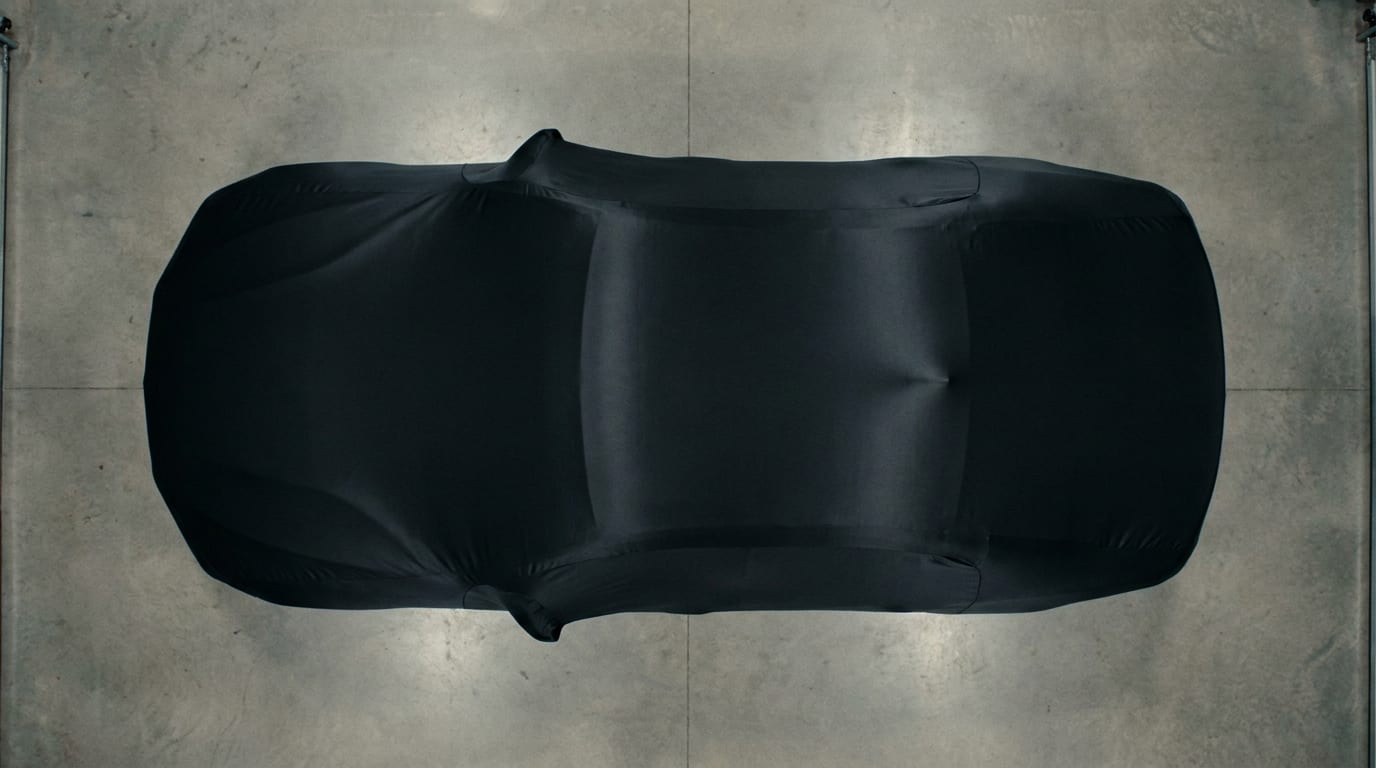
A sedan is forgiving. Boxy, tall, mostly straight lines. The GR Supra is none of that. The front splitter sits low enough to catch on a loose hem. The rear end curves hard into that hatchback shape, and depending on trim, there's a spoiler jutting off the back that a flat sheet just won't account for. Drape something that isn't built for the car and you'll get bunching at the nose, gaps at the rockers, fabric that looks more like it's been thrown on than fitted.
Indoors doesn't mean risk-free. Garages hold a mix of things that cars don't love: oil and solvent fumes drifting off nearby storage shelves, concrete dust kicked up by foot traffic, the occasional scrape from a bike pedal or a dropped tool. A cat walking across the hood leaves scratches whether the car's outside or in. None of this requires rain to matter.
So this is a guide about fit, sizing, and the feature checklist that actually counts for indoor use, not a pitch for one particular cover. If you're comparing options, start with the make.
Fit: Why 'Universal' and Custom-Fit Are Not the Same Conversation
A universal cover is sized for a size class, something like "mid-size coupe," and it's built to stretch over a range of vehicles that are roughly similar in length and height. A custom-fit or semi-custom cover is pattern-matched to a specific model's actual body lines: where the mirrors sit, how the roofline slopes, where the bumpers start and stop.
That distinction matters more on a GR Supra than it does on, say, a Camry. Short wheelbase. A low nose that sits closer to the ground than most coupes in its size class. Wide rear haunches that flare out past where a generic pattern expects the body to taper in. Some trims carry an aggressive rear spoiler that a universal cover simply wasn't drawn with in mind. Put a size-class cover on this car and you'll feel the mismatch immediately: slack fabric at the doors, tightness over the hatch, a gap at the front end that never quite closes.
Loose fit causes real problems indoors, not just cosmetic ones. Fabric that isn't snug traps dust underneath it instead of keeping dust off the paint, which defeats half the purpose. It can rub against the clearcoat every time a door opens nearby or a breeze from the garage fan moves it. Over weeks, a cover that sags onto the hood or trunk because it's cut for a bigger car starts creasing the same spot over and over. Look for a custom-fit cover built around the Supra's actual body style and model year, not a generic "sports car" bucket.
What to Check Before You Buy: A Sizing Checklist
Before you add anything to cart, have a few specifics ready:
- Model year. The GR Supra's body has had minor changes since its 2019 relaunch, and a cover cut for an early year won't necessarily match a later one.
- Trim. The 3.0 and 2.0 variants aren't identical in every exterior dimension, and some covers are patterned with one or the other in mind.
- Aero add-ons. A factory or aftermarket spoiler, splitter, or wing changes how a cover needs to be cut around the rear end.
- Mirror position. Are mirrors folded in storage? Some patterns assume folded mirrors and will fit loose if yours are left extended.
If a cover offers cutouts or reinforced openings for an antenna, spoiler, or mirror, confirm those line up with your actual car before buying, not after. A cutout in the wrong spot is worse than no cutout at all.
Don't eyeball it against another coupe's listed dimensions either. Small sports cars vary more than people assume. Two vehicles that look similar in a parking lot can differ by inches in places that actually matter for a cover pattern. Run your numbers through an actual size guide instead of guessing, and better yet, use a cover-finder tool that matches options to your exact year, make, and model rather than scrolling listings by eye.
Material and Features That Matter Indoors
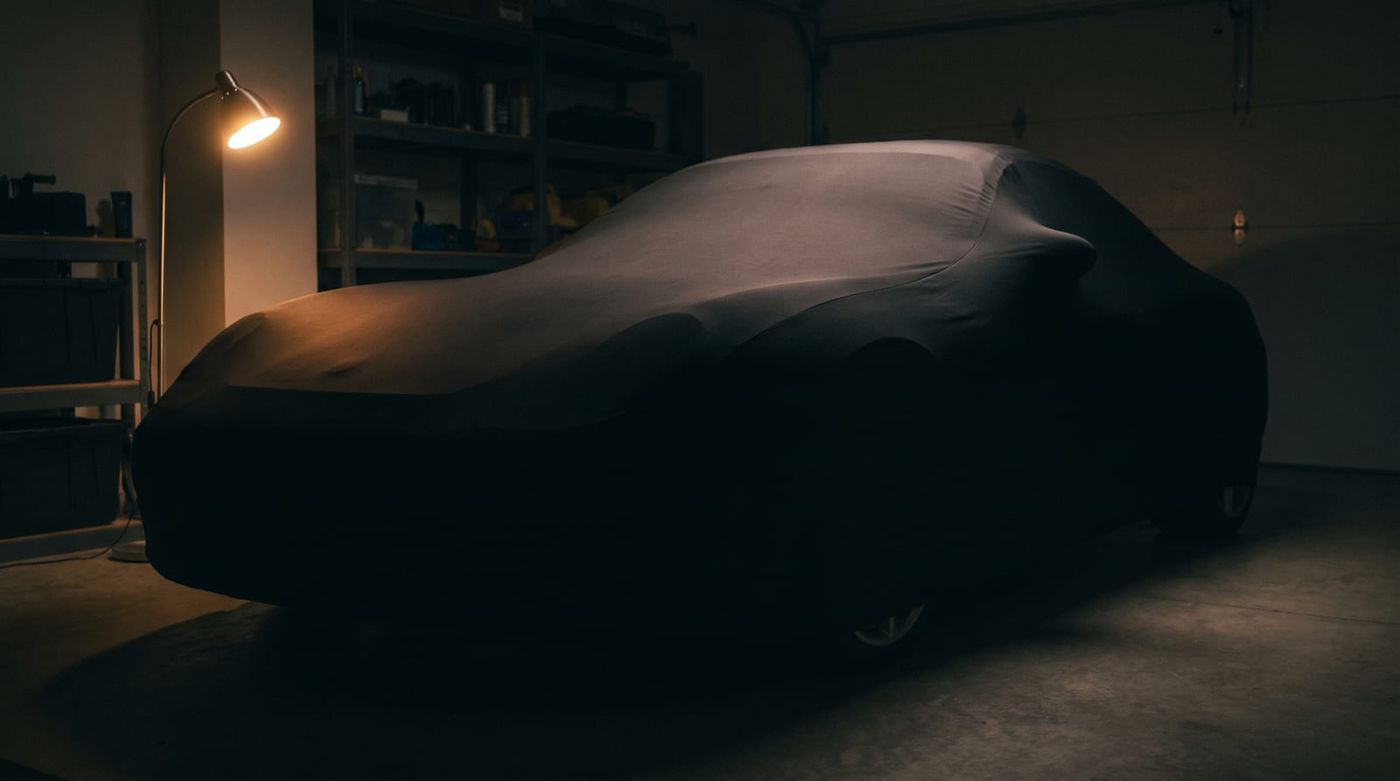
Outdoor covers are built around waterproofing and UV resistance. Indoors, neither does much for you. What matters instead is the inner lining, the layer actually touching your paint. Look for something soft and non-abrasive, satin or fleece-lined materials are common choices, because that's the surface your Supra sits under for hours or days at a time.
Breathability still counts, even without rain in the equation. A cover that traps moisture can cause condensation spotting on the paint just as easily indoors as a non-breathable cover left outside in a downpour. Garages have humidity swings too, especially ones attached to a house or sitting over a slab without good sealing.
A few features worth checking before you buy:
- A soft inner lining that won't cause swirl marks with repeated use
- An elastic hem or tie-down straps to keep the cover from shifting if a bike or gear rack sits close by
- A lighter weight class if you're putting the cover on and taking it off often, since a heavy cover gets old fast as a daily habit
Scratch protection isn't just an outdoor concern either. If pets, kids, or stored gear share the garage, a well-built indoor cover is doing real work every day, not just sitting there for show.
Putting the Cover On and Taking It Off Without Scratching the Finish
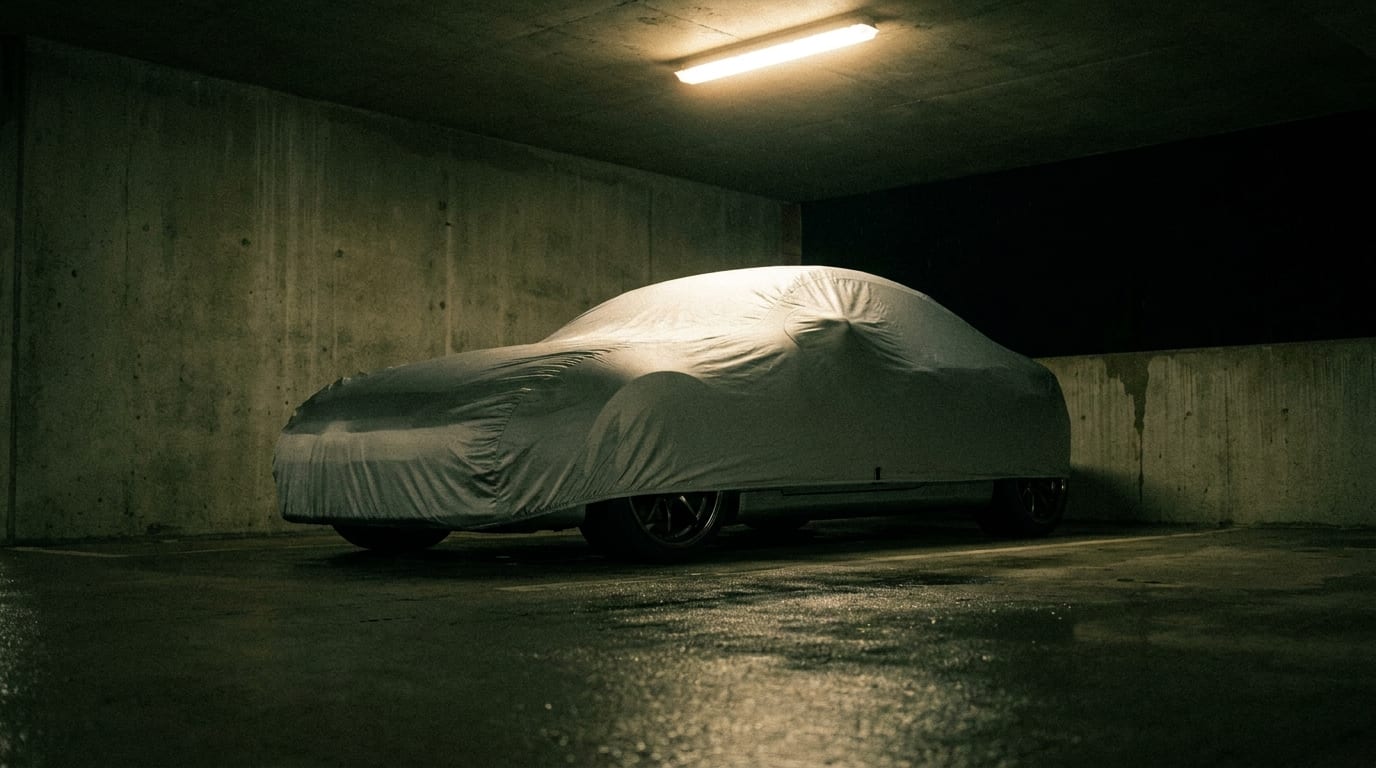
The actual process is simple, but it's worth doing right. Drape front to back, not the other way around. That way you're not dragging fabric backward over the splitter or front badge. Work the cover carefully over the mirrors and spoiler, these are the spots most likely to snag or stretch a seam if you rush it. If your cover comes with underbody straps, secure those last, once the rest of the cover is settled.
Resist the urge to tug the cover sideways to straighten it once it's down. That drags fabric across the paint, and a dusty cover dragging across a dusty hood is basically light sanding. Lift it, reposition, set it back down. Takes an extra ten seconds and saves you from fine swirl marks you'll only notice in direct light months later.
Keep the cover itself clean between uses too. A cover bag or a dedicated shelf spot, away from the workbench and the oil can, keeps grit from building up on the inner lining, since that lining is the one surface in direct contact with your paint every single time you cover the car. For anyone putting a cover on for the first time, a step-by-step installation guide is worth a look before you wing it.
Caring for the Cover So It Keeps Protecting the Car
Indoor covers still get dirty. Garage dust, a little oil residue off tools or a workbench, maybe some pollen that snuck in through an open door, all of it settles into the inner lining over time even without rain ever touching the thing.
Start with whatever care instructions came with your specific cover, manufacturers vary slightly on what their fabrics can handle. For general steps on washing a cover without damaging the fabric, a cleaning guide walks through what's safe and what isn't. Beyond that, basic car care habits, like keeping the garage floor swept and tools off the hood, go a long way toward keeping the cover (and the car under it) cleaner for longer.
Check the stitching and elastic hems every so often, too. A torn seam doesn't just look bad, it stops the cover from distributing its own weight evenly, which means it can start rubbing one spot on the paint instead of resting evenly across the body. And before you buy anything, it's worth confirming whether the cover carries a warranty against manufacturing defects. Stitching fails sometimes. Good to know you're covered if it does.
Where to Go From Here
Work it in order: confirm your model year and trim first, check sizing against a real size guide instead of guessing, then compare materials and features built for indoor use specifically. Skipping straight to checkout without those three steps is how people end up with a cover that fits like a tarp.
If you want the fastest path to the right fit, run your exact Supra specs through a cover-finder tool rather than picking by eye. And if you're still weighing options, it's worth spending a few minutes browsing Toyota's full cover lineup to see what's available across the GR Supra and other Toyota models before settling on one.
A well-fitted indoor car cover for a Toyota GR Supra is cheap insurance against all the small stuff: dust, a stray scratch, a scuff nobody saw happen. None of it costs much to prevent. All of it adds up if you don't. Worth subscribing or poking around a few more guides if you're still getting your garage setup dialed in.