Indoor Car Cover vs Dust Cover: Which One Actually Protects Your Car?
Published
The Quick Verdict
A dust cover is a thin, throwaway sheet meant to keep surface dust and pollen off a car parked untouched in a clean garage for a short stretch. An indoor car cover is a thicker, soft-lined cover built to handle real contact: brushing hips, curious pets, stray tools, and the slow humidity swings that come with everyday garage life. Rule of thumb: if the car sits sealed up and nobody's near it, grab a dust cover. If people, pets, or temperature changes are part of the picture, spend the extra money on an indoor cover.
That's really the whole indoor car cover vs dust cover decision in one paragraph. Everything below just fills in why.
What Is a Dust Cover?

Dust covers are about as basic as car protection gets. Most are thin polypropylene, non-woven fabric, or straight-up plastic sheeting, sold as a one-size-fits-most deal for cheap. You've probably seen them at new car dealerships, draped over a model that isn't moving for a while.
Their job is narrow: block airborne dust and light pollen from settling on paint that's already clean and dry. That's it. They're not made to handle moisture, they're not made to handle friction, and UV exposure will degrade them fast if they ever end up outside. Think showroom floors, storage units, a classic car resting between shows, or any vehicle that's going to sit untouched for a few weeks.
Here's where they fall apart: non-breathable plastic traps condensation underneath it. Leave a dust cover on too long in a space with any humidity, and you'll come back to water spots or mildew instead of a clean hood. If you're storing something longer-term and want options below the cost of a full indoor cover, the plastic disposable covers collection is worth a look, but treat them as a short-term tool, not a long-term plan.
What Is an Indoor Car Cover?
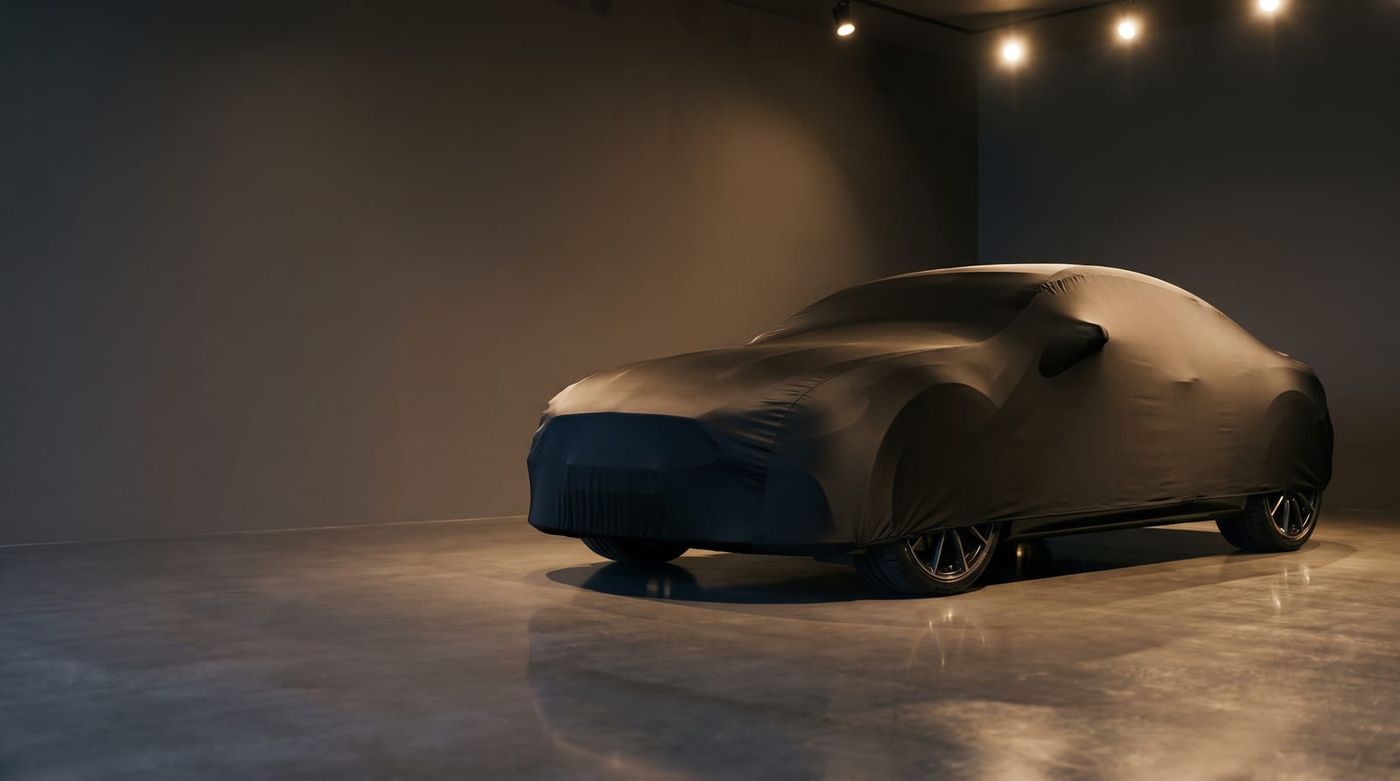
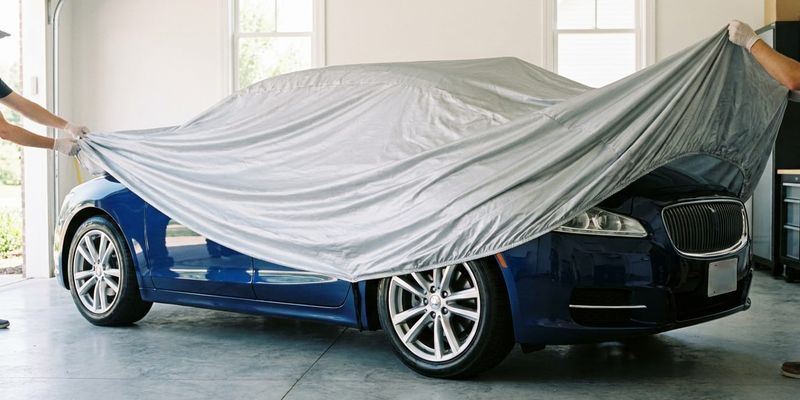
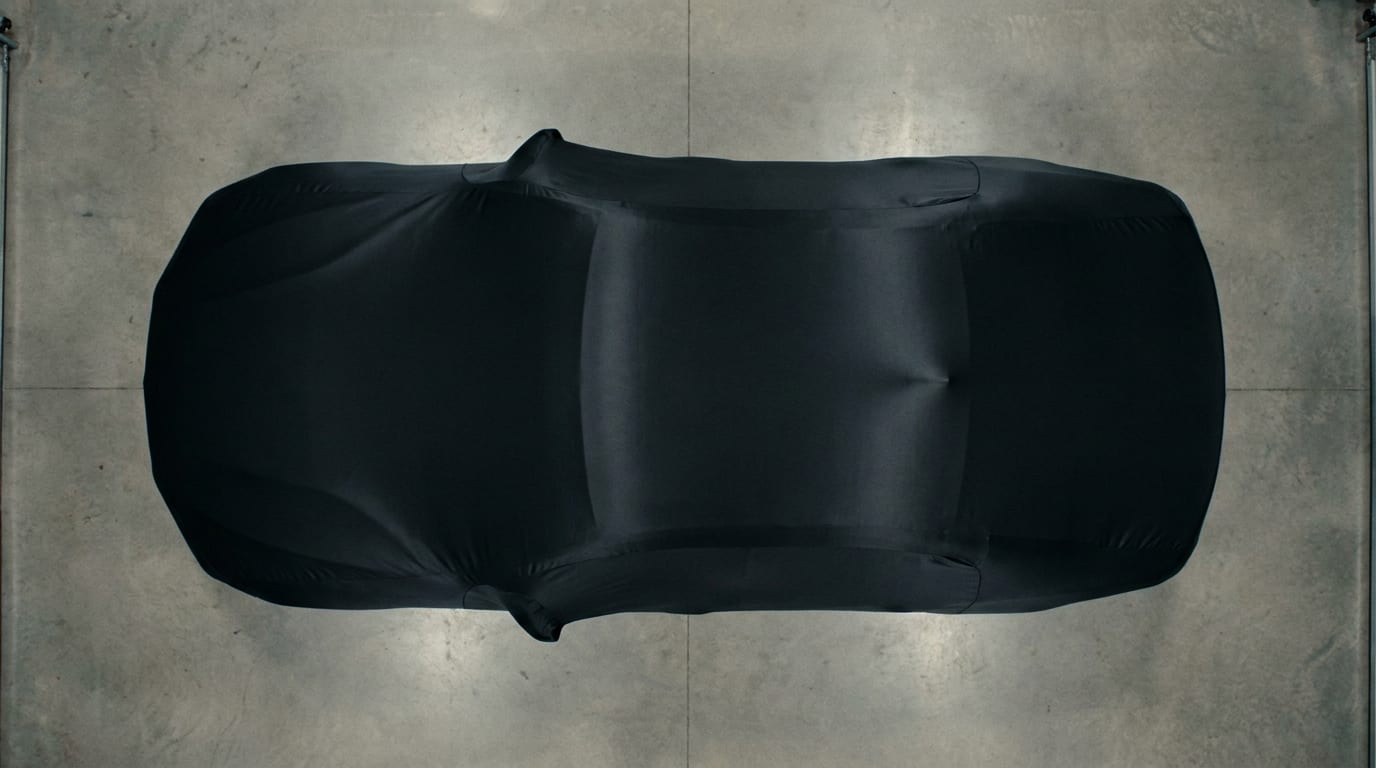
An indoor car cover is a different animal. These use soft-lined, breathable fabrics (think satin or flannel-backed material) specifically so the cover can sit directly against paint without scratching it. That lining is the whole point. It's what separates "car protection" from "a sheet that happens to be car-shaped."
The protection scope is wider too. A good indoor cover guards against dust, sure, but also scuffs from someone squeezing past the car in a tight garage, a dog's claws, minor scrapes from leaned-up bikes or ladders, and the humidity buildup that happens in any enclosed space over time. You can get these in custom-fit or universal options, and the custom fit matters more than people expect: a snugger cover doesn't shift around at 2am when the garage temperature drops, which means it's not rubbing the same spot on your fender all night.
These are built for repeated use, season after season, not a one-time event before a car show. If you're setting one up for the first time, our guide to using car covers inside walks through fit and handling specifics.
Indoor Car Cover vs Dust Cover: Side-by-Side Comparison
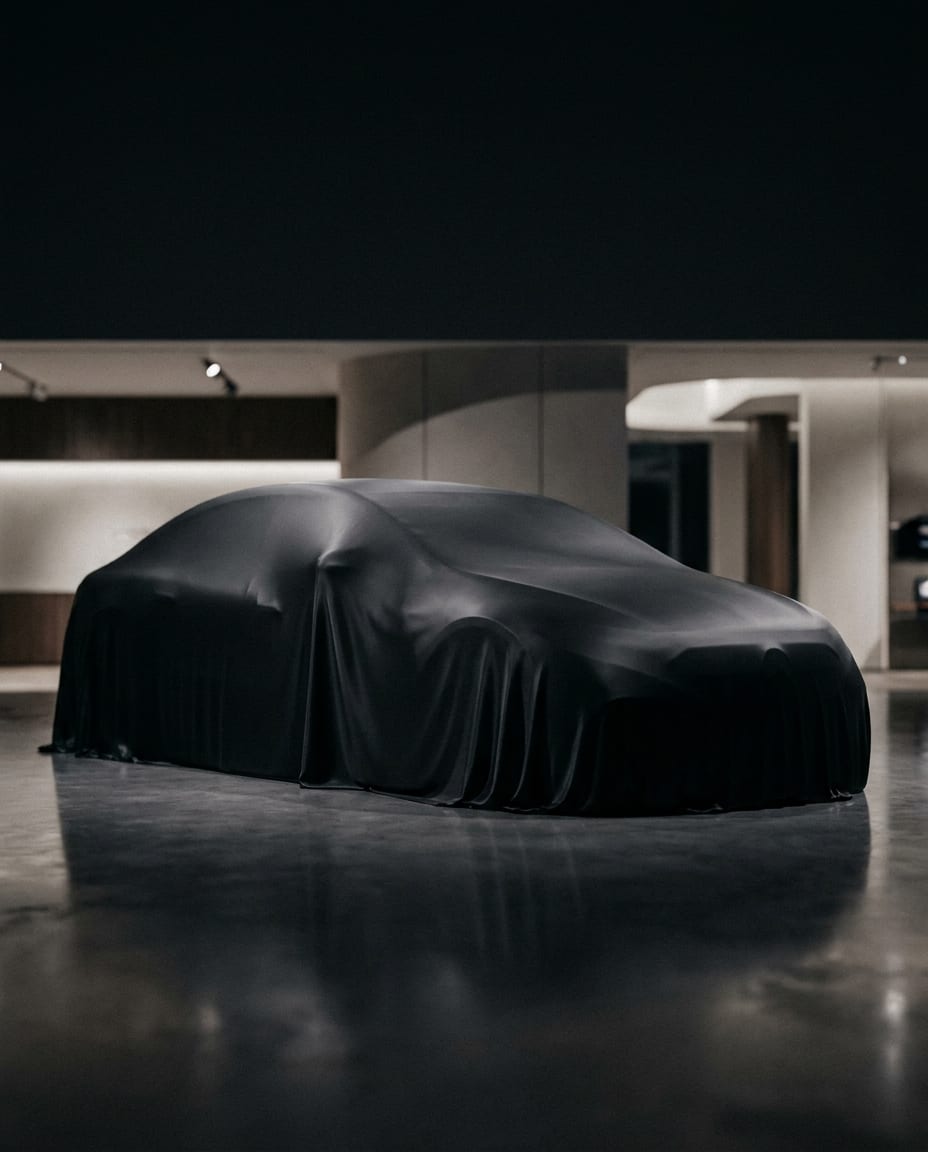
Laid out next to each other, the gap is pretty stark.
| Factor | Indoor Car Cover | Dust Cover |
|---|---|---|
| Material & feel | Soft satin or flannel lining | Thin non-woven plastic or polypropylene sheeting |
| Protection level | Scratch, scuff, pet, and light moisture protection | Surface dust only, no scratch or moisture protection |
| Breathability | Woven fabric allows airflow, resists trapped condensation | Limited breathability, moisture can get trapped |
| Fit options | Custom-fit and universal-fit available | Almost always universal, loose-fit |
| Durability | Built for years of repeated use, washable | Often single-season or disposable-grade |
| Price range | Mid-to-higher, reflects material and fit | Lowest-cost option in the lineup |
| Best use case | Daily or long-term indoor storage | Short-term, clean, low-traffic storage |
The price gap is real, but it's buying something specific: fabric that won't grind grit into your clearcoat and a fit that stays put. A dust cover is cheaper because it's doing less. If you want to see where indoor covers sit against outdoor-rated options too, our outdoor car cover guide breaks down that side of things.
Which One Fits Your Situation?
A few scenarios make the choice obvious:
- Garage shared with bikes, tools, or foot traffic. Go with an indoor cover. Thin plastic won't survive a handlebar brushing past it, and neither will your paint underneath.
- Sealed storage unit, car sitting untouched for a few weeks. A dust cover is genuinely enough here, and there's no reason to pay more.
- Classic or collector car kept indoors long-term. Spend on an indoor cover. Years of fabric-on-paint contact adds up, and a dust cover's thin sheeting won't hold up to that kind of repeated use anyway.
- Pets or kids near the vehicle. Go thicker. A cat's claws or a kid's bike pedal doesn't care that the cover underneath was marketed as "universal fit."
- Budget-conscious, short-term situation like moving or temporary storage. A dust cover covers the actual need. No point overspending on a cover built for daily wear if the car's only sitting for ten days.
If you're not sure which size or fit you need either way, the car cover sizing guide is a quick way to narrow it down before you buy.
Care Tips for Whichever Cover You Choose
Doesn't matter which one you pick, the basics stay the same.
Always cover a clean, dry car. Dirt or moisture trapped underneath either cover type turns into marring, and that defeats the entire purpose of covering it in the first place.
Dust covers have no structure to speak of, so shake them out or give them a quick vacuum between uses. They pick up grit fast and that grit ends up pressed against your paint the next time you drape it on.
Indoor covers need actual washing, not just shaking out. Follow the fabric's care instructions and wash periodically; our step-by-step cleaning guide covers the process if you've never done it. Built-up grit in the lining is exactly the kind of thing that causes the scratches the cover was supposed to prevent. For general upkeep between washes, this cover care guide is a good reference too.
One more habit worth building: check under the cover every few weeks during long-term storage, regardless of which type you're using. Dampness hides well under fabric, and you want to catch it before it turns into a stain or worse.
Final Take & Next Step
Boiled down, the indoor car cover vs dust cover question comes down to timeline and traffic. Dust covers handle short-term, low-activity storage at a low price. Indoor covers handle everything else: daily garage use, shared spaces, pets, years of storage, all the stuff that actually touches your car.
Match the cover to how often that garage door opens and how long the car's really going to sit. If you're leaning toward long-term protection, it's worth browsing indoor-specific cover options or checking out something like the indoor black satin cover to see what a proper lining actually feels like. And if you want more buying breakdowns like this one, keep an eye on our articles section for the next guide.