


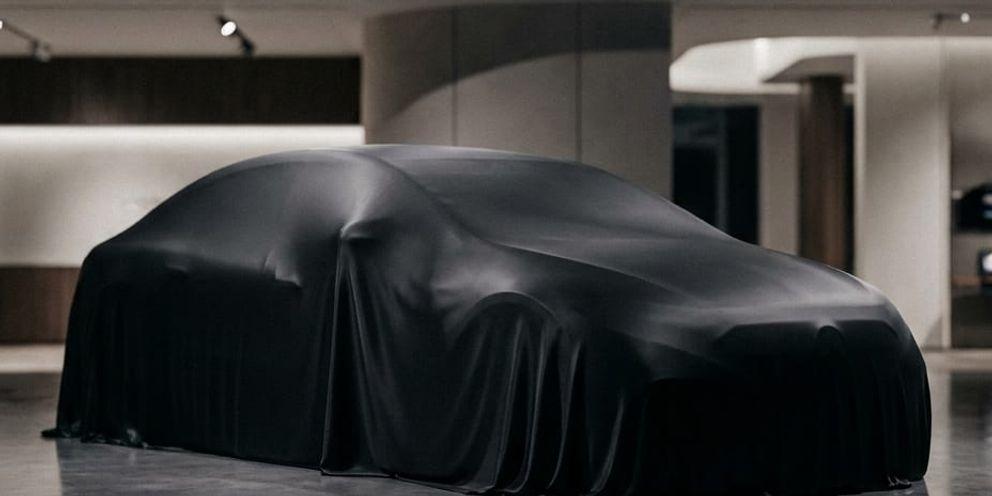
Indoor vs Outdoor Car Cover: Which One Actually Fits Your Situation?
The Quick Verdict
Indoor covers are light, soft-lined, and built to stop dust and light scuffs while your car sits in a garage. Outdoor covers are heavier, weatherproofed shells made to fight off rain, UV, and wind when your car's parked outside. That's the whole indoor vs outdoor car cover decision in one sentence.
Buying the wrong one is the most common mistake owners make with car covers. Put an indoor cover outside and it traps moisture against the paint instead of shedding it. Use an outdoor cover inside and you're carrying around extra weight and stiffness for protection you don't need, sometimes with an underside rough enough to leave marks on a clean finish.
So really it comes down to one question: where does the car actually sleep at night? Garage, or driveway and street? Answer that first, and the rest of this decision gets a lot easier.
What an Indoor Car Cover Is Built For
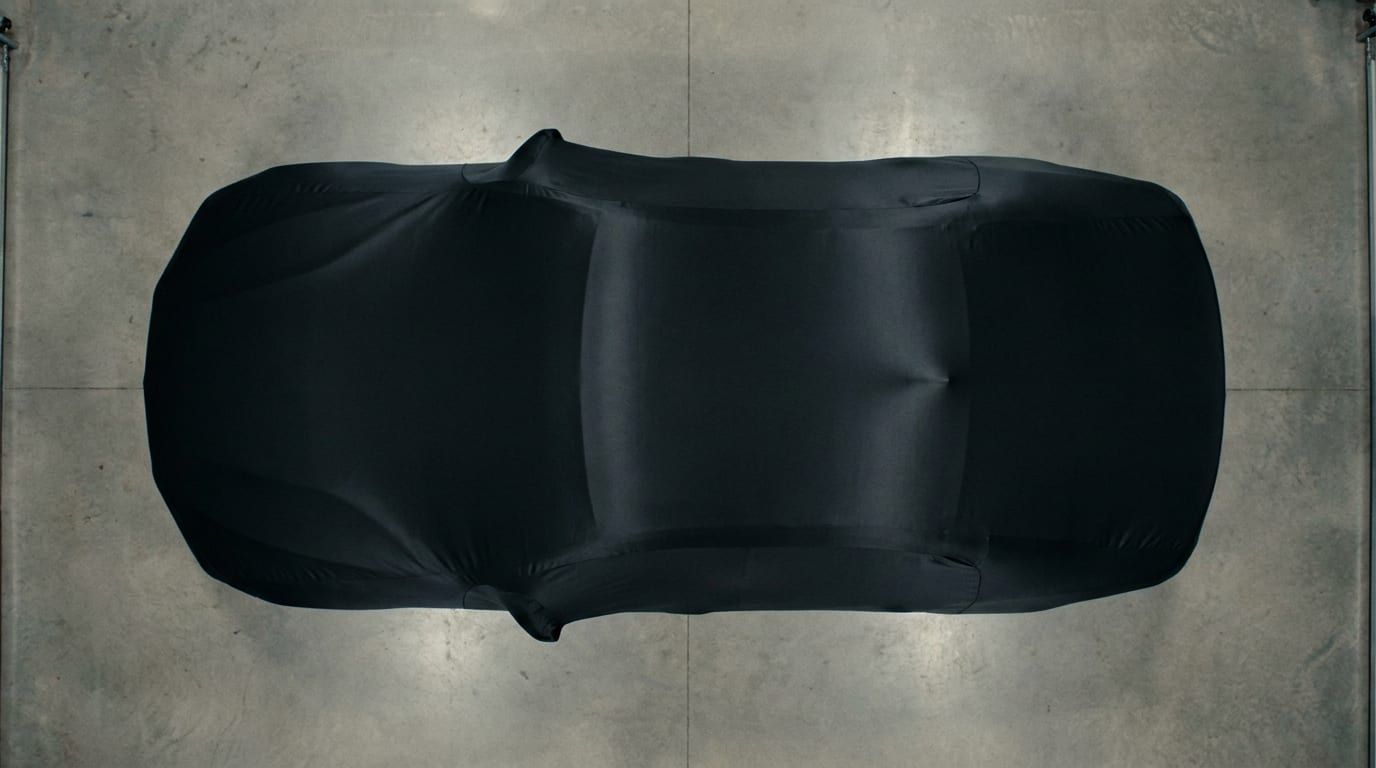
Indoor covers are made from soft, breathable fabric, often a satin or fleece-lined material that feels almost like a bedsheet against the paint. The job here isn't to block rain. It's to keep dust off, stop pet hair and light scuffs from settling onto the finish, and give a parked car a clean layer between it and everything floating around a garage.
That's also why indoor covers skip heavy waterproofing on purpose. A fully sealed, weatherproof shell in an enclosed garage would trap condensation right against the paint, which is worse than no cover at all. Breathability matters more than water resistance once the car's under a roof.
This category fits daily drivers that live in a garage, classic cars in long-term storage, and show cars sitting between events where a scuff-free, dust-free surface matters more than weatherproofing. If you want a sense of what this material and finish actually looks like, the indoor black satin cover is a good example of the category. And if you're setting one up for the first time, it's worth reading through a proper guide to using car covers inside before you just throw it on, since fit and folding matter more than people expect.
What an Outdoor Car Cover Is Built For
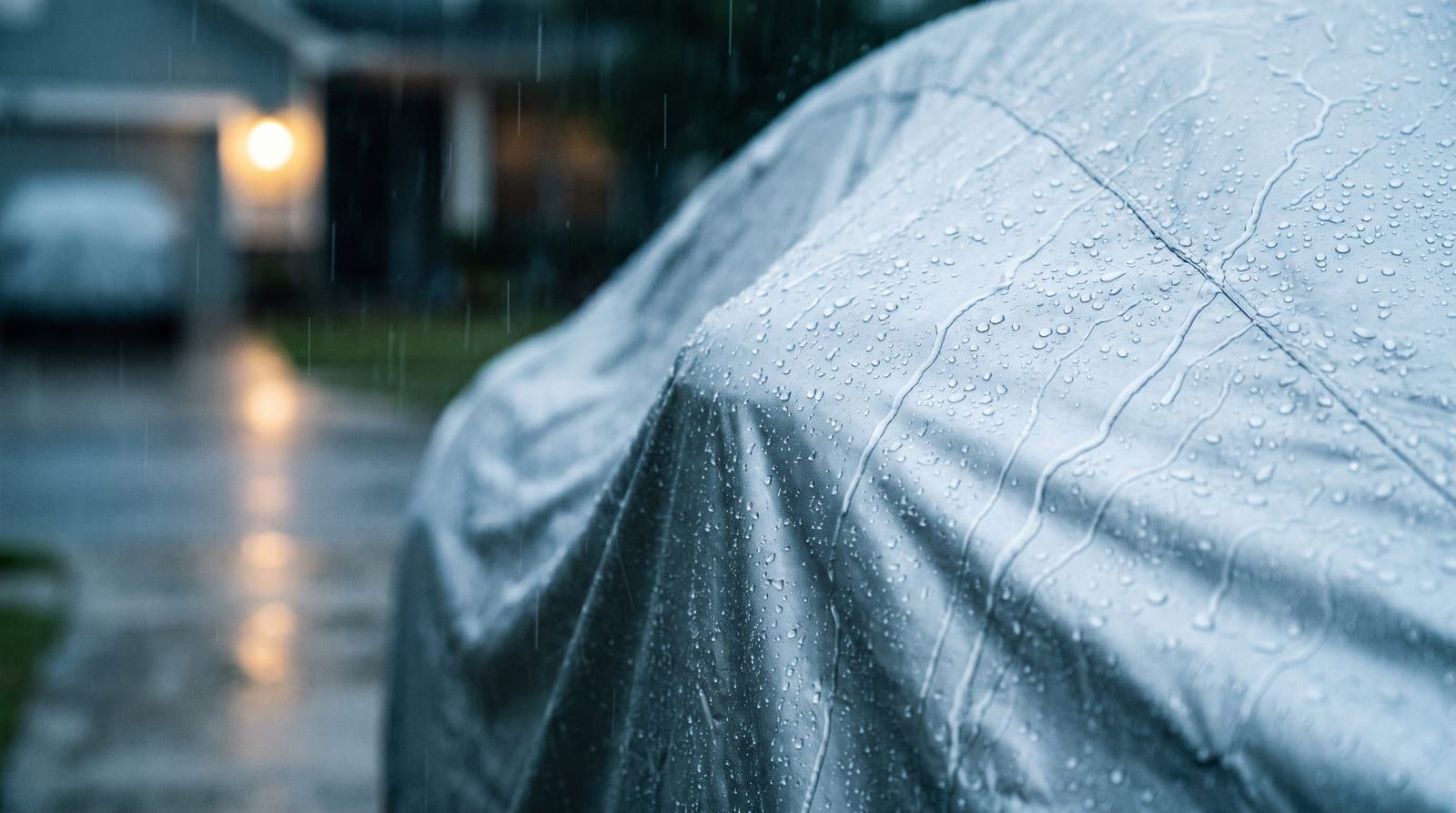
Outdoor covers are a different animal entirely. They're built from multi-layer or coated fabrics engineered to resist water, block UV, and hold up against wind, usually with reinforced seams and built-in tie-down points. This is a shell, not a dust sheet.
That protection comes with tradeoffs. The material's heavier, it takes longer to put on and take off, and it costs more than an indoor cover. You're paying for the layers that keep weather out.
And weather is exactly what these covers have to survive: sun bleaching the fabric over months, tree sap and bird droppings trying to eat through the surface, rain pooling if the fit's off, and wind gusts that will absolutely try to rip a loose cover off your car. That last one is why outdoor covers usually need help staying put.
Straps or cable locks aren't optional extras here, they're part of the system. A cover with no way to secure itself against wind is only doing half the job, and you'll want to check a guide to using a car cover outdoors for specifics on rain, UV, and wind handling before you buy.
Indoor vs Outdoor Car Cover: Side-by-Side Comparison
Primary purpose
- Indoor: Dust, light scratches, and pet hair protection in an enclosed space
- Outdoor: Weather, UV, and wind protection for a car parked outside
Material weight and breathability
- Indoor: Soft, breathable knit or satin fabric, lightweight
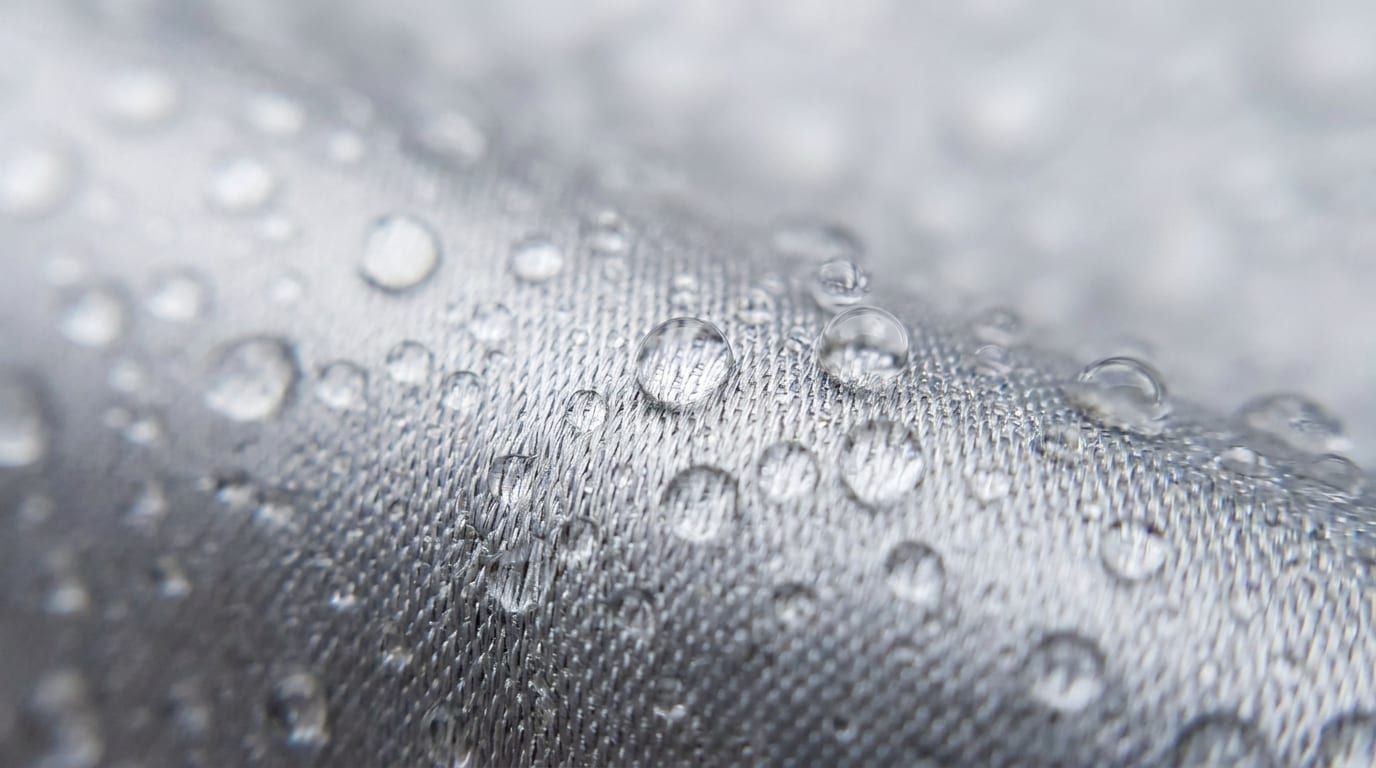
- Outdoor: Coated or laminated woven fabric, heavier and less breathable by design
Water and UV resistance
- Indoor: Minimal to none, not built for rain
- Outdoor: Water-resistant or fully waterproof with UV-blocking layers
Typical price range
- Indoor: Lower cost, simpler construction
- Outdoor: Higher cost, reflects the extra layers and hardware
Wind resistance needs
- Indoor: Not designed for wind exposure at all
- Outdoor: Needs grommets, straps, or cable locks to stay secured
Ease of install/removal
- Indoor: Quick, light, easy to fold and store
- Outdoor: Bulkier and slower, especially with straps involved
Best storage environment
- Indoor: Garage, carport, covered storage unit
- Outdoor: Driveway, street, uncovered lot
Risk if used in the wrong environment
- Indoor: Left outside, it traps moisture and mildews fast
- Outdoor: Used inside, it's stiff, heavier to handle, and rougher seams can scuff sensitive paint
How to Decide Which One You Need
Here's the simple version. If your car is under a roof 100% of the time, go indoor. If it ever sits outside overnight, even occasionally, go outdoor. That one exception matters more than people give it credit for. One rainy night without the right cover can undo months of careful care.
What about a car that splits time between the garage and the driveway depending on the season? Don't try to own two covers and swap them back and forth. In practice, that turns into skipped cover nights because switching feels like a chore. Buy one good outdoor-rated cover instead. It'll handle the garage nights fine and cover you on the nights outside without you having to think about it.
Climate should factor in too. Humid or coastal areas push you toward breathable outdoor materials even for semi-covered parking, since trapped moisture is as much of a threat as rain itself. Snowy climates need an outdoor cover with straps that won't shift once snow piles on top and adds weight.
And regardless of which type you land on, fit matters just as much as material. A cover that's too loose flaps in the wind and rubs against the paint, indoors or out. If you're not sure what size fits your vehicle, run it through a car cover sizing guide before you buy, or look at a custom-fit cover if you want the closest possible match to your car's body lines.
Common Mistakes When Choosing Between the Two
Buying on price alone is the big one. Someone grabs the cheaper indoor cover, doesn't think hard about where the car actually parks, and ends up using it outside because it's what they already own. It fails within a season.
Close behind that: assuming "water-resistant" printed on an indoor cover means it can handle real rain. It usually can't. That label is there to cover light moisture and humidity, not a downpour.
On the outdoor side, the mistake is skipping straps or a cable lock and figuring the cover will just stay put. The first real windstorm proves that wrong, and now you're chasing a cover down the street.
Ignoring breathability is a mistake that hits both categories. Wrap a car too tightly in the wrong material, indoor or outdoor, and you trap moisture underneath. That's how you end up with mildew spots or dulled paint that you didn't see coming. If you're unsure what material actually fits your situation, this breakdown of car cover materials is worth a read before you buy anything.
And then there's the tarp debate. Some owners look at a cheap tarp from the hardware store and figure it's close enough to a real cover. It's not. Tarps don't breathe, they don't fit the car's shape, and the edges rub against paint in wind. The case for a proper car cover over a tarp covers why that shortcut usually costs more in the long run than it saves upfront.
Bottom Line and Next Step
Match the cover to where the car actually sits, not to whichever one is cheaper or already sitting in your garage. That's the whole indoor vs outdoor car cover question boiled down. Get that one decision right and everything else, material, price, straps, falls into place behind it.
If you're still not sure which fit or size makes sense for your specific vehicle, it's worth working through a proper sizing guide before you spend money on the wrong cover. And while you're weighing options, CarCovers backs its covers with a lifetime warranty, which makes the slightly higher upfront cost of a good outdoor cover a lot easier to justify since it's built to hold up for years, not one season.
Updated