Why Does Car Covers Cost So Much? The Real Reasons Behind the Price Tag
Published
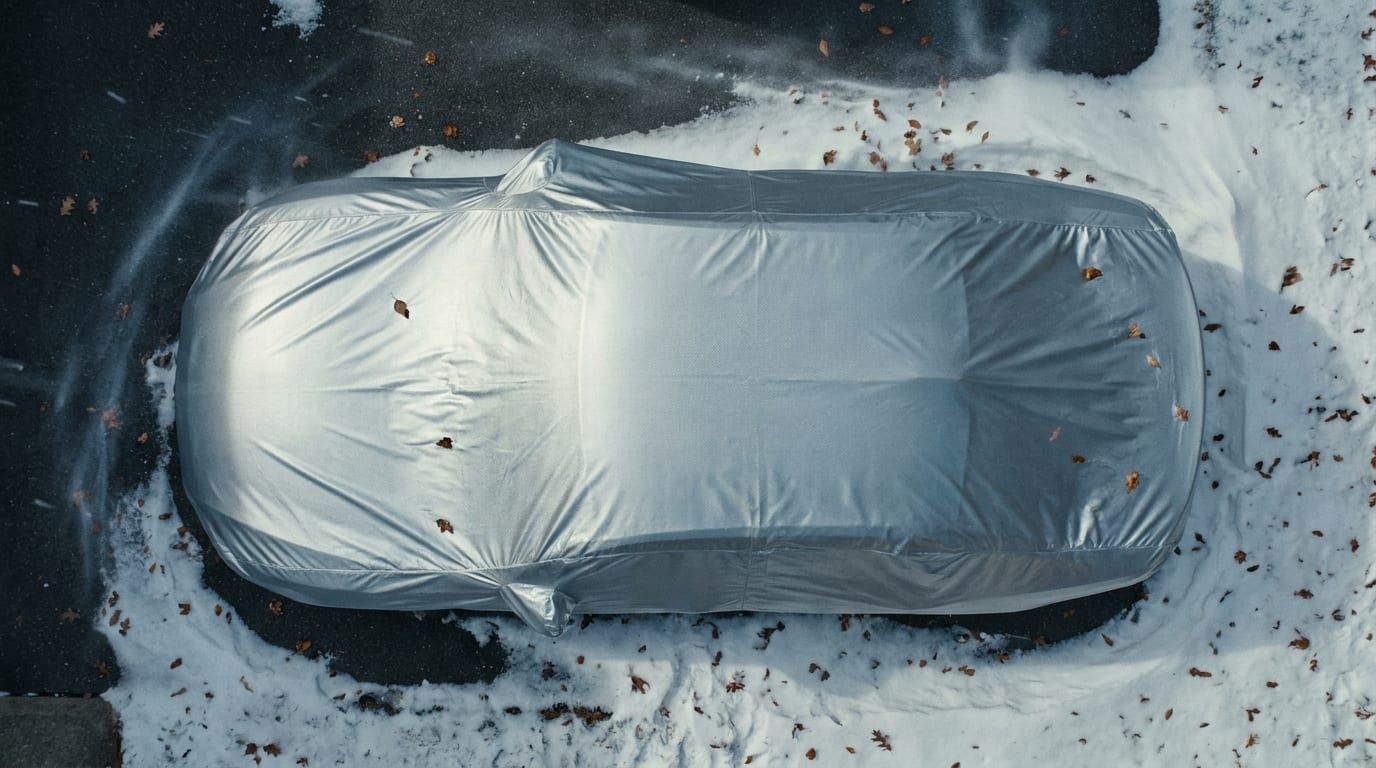
Why Car Cover Prices Vary So Widely
Open up a search for car covers and the price spread is enough to make you do a double take. Twenty bucks at one end, two hundred-plus at the other, and they're supposedly doing the same job: keeping your car dry and dust-free. So the question comes up a lot: why does car covers cost so much when it's "just fabric" draped over a vehicle?
It's a fair reaction. From the outside, a cover looks like a simple product. But the price differences almost always trace back to three things: how precisely the cover fits your specific vehicle, what the material is actually made of and how it's treated, and how many layers and extras go into the construction. None of that is random markup. A $200 cover and a $30 cover are, in most cases, genuinely different products built for different jobs. Let's break down where the money actually goes.
Cause #1: Custom-Fit vs. Universal Manufacturing Costs More
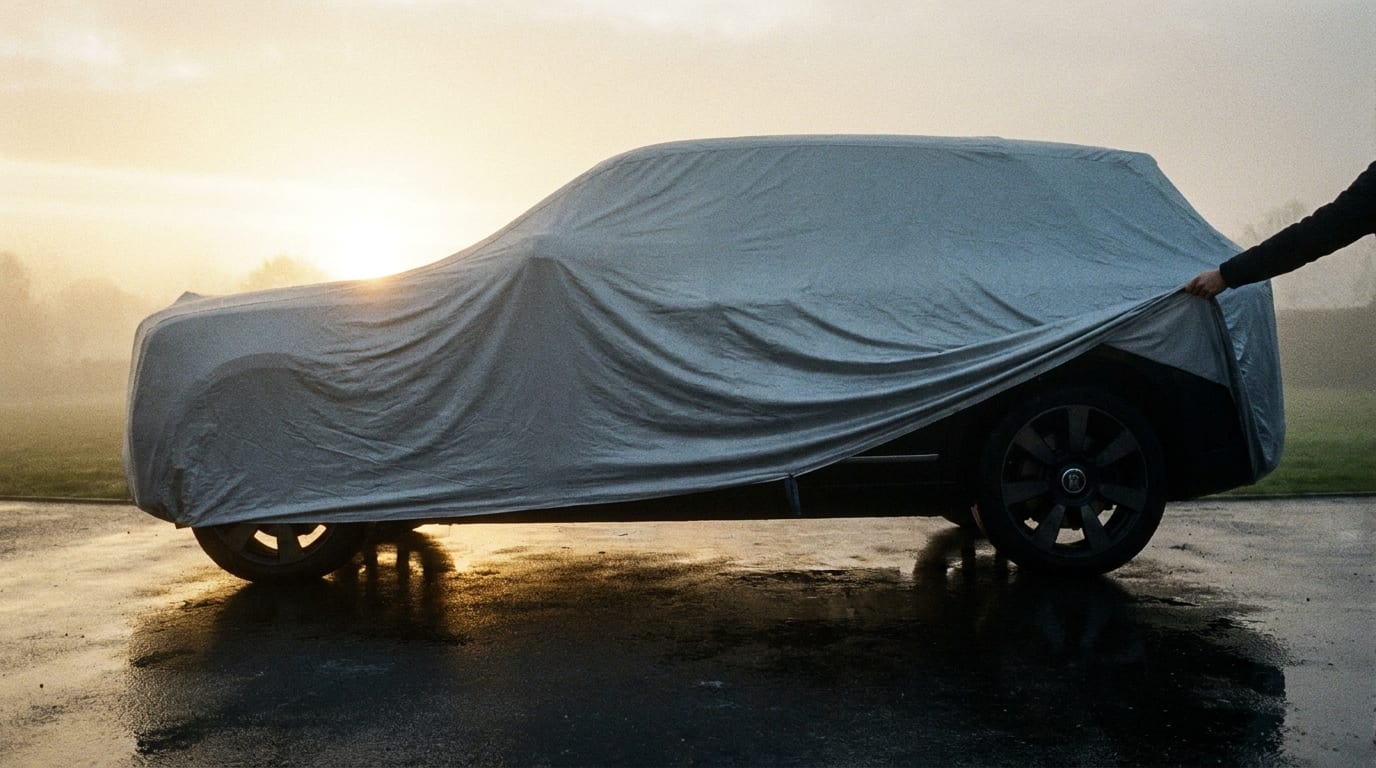
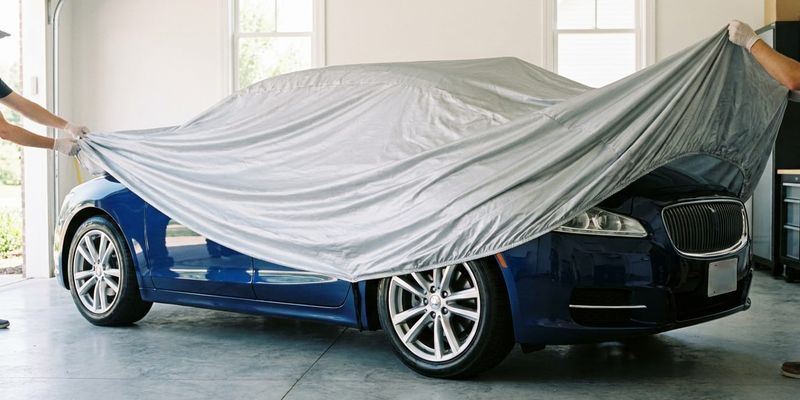
A custom-fit car cover is pattern-cut to one specific make, model, and year. That means separate tooling, separate production runs, and a lot more design work accounting for your mirrors, antenna placement, and body lines. It's manufacturing built around precision, not volume, and precision costs money.
Universal covers go the other way. One pattern, stretched across a size range, sold cheap because the factory can crank out thousands without retooling anything. The tradeoff shows up the first windy night: loose fabric flapping against the paint, fabric rubbing at the edges, water pooling in spots the cover was never shaped to drain. A universal cover isn't "bad," it's just built for general coverage, not your car specifically.
Here's the part people miss: fit precision is itself an engineering cost. A true custom pattern has to account for where your mirrors sit, how your antenna pokes through, where the body curves differently than the sedan two trims down. That's not fabric cost, that's design and development cost, and it's baked into the price before a single yard of material gets cut.
And there's a sneaky math problem with going cheap on fit. A cover that doesn't match your vehicle wears out faster, between the rubbing, the flapping, and the gaps letting in moisture. You end up replacing it sooner, sometimes within a season or two, which means the money you saved upfront gets spent again anyway. Check a sizing guide before you buy. It's the single biggest factor in whether a cover pays off or not.
Cause #2: Material Quality and Weatherproofing Technology

Single-layer polyester or vinyl is cheap to produce. It's one sheet, one process, done. A multi-layer, UV-stabilized, breathable fabric is a different manufacturing story entirely: multiple bonded layers, each doing a different job, assembled in a way that still lets the fabric flex and pack down.
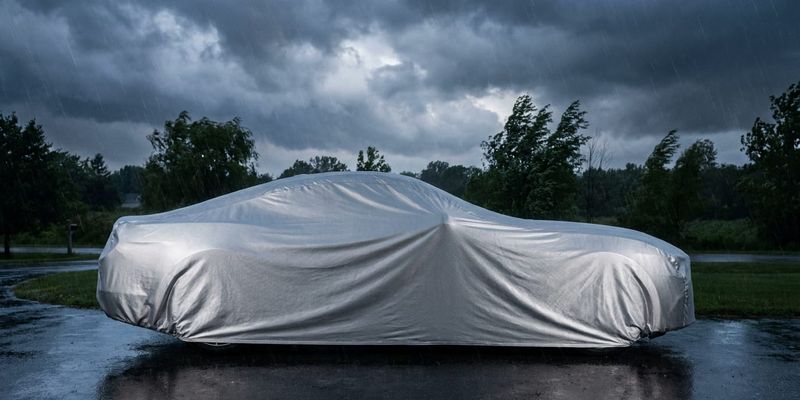
That breathability matters more than people realize. A fully sealed, non-breathable cover traps moisture underneath it, and trapped moisture means mold, mildew, and a musty smell baked into your interior over time. A waterproof car cover built the right way keeps rain out while still letting trapped humidity escape. Getting both of those properties into the same fabric takes extra manufacturing steps, and extra steps cost extra money.
This is also why the same brand can sell covers at wildly different prices. An indoor cover only has to block dust and light scratches, so it's made from lighter, thinner, cheaper material. An outdoor car cover has to survive sun, rain, wind, and temperature swings, so it needs denser layers and real weatherproofing. Same logo on the tag, completely different job.
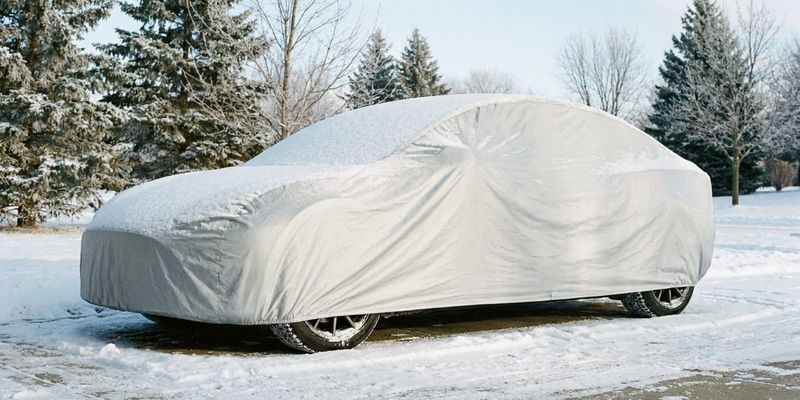
UV protection specifically isn't a nice-to-have feature, it's structural. Sun exposure breaks down fabric fibers over time, the same way it fades a deck chair or cracks a garden hose. A cover without real UV stabilization gets brittle and starts failing within a season or two of daily outdoor sun. That's a big part of why does car covers cost so much when you compare a treated fabric to an untreated one: you're paying for the fabric to actually survive its job.
Cause #3: Construction Layers, Reinforcements, and Included Hardware
Fabric is only half the story. Reinforced stitching at stress points, grommets for tie-downs, elastic hems that keep the cover anchored in wind, included straps or a cable lock or a storage bag, all of that is additional parts and additional labor. None of it is free to add, and all of it shows up in the final price tag.
Look at something like a platinum-level truck cover built for serious storm and hail exposure. It costs more than a basic truck cover, and the reason is traceable: more layers, thicker padding, reinforced panels in the areas most likely to take impact. A hail-rated cover specifically needs dense padding to absorb impact without transferring it straight to your paint. That padding is real material, not a convenience charge.
There's a physical consequence to all those extra layers too: weight. A heavier-duty cover is bulkier to ship and store, which adds a little more cost on top of the materials themselves. It's not a huge factor compared to fit and fabric, but it's part of the stack. More protection almost always means more mass, and more mass costs more to produce and move.
The Fix: How to Get the Right Cover Without Overpaying
The fix isn't "buy the cheapest cover" or "buy the most expensive cover." It's matching the cover to what your vehicle actually deals with. A car that lives in a garage five days a week doesn't need the same armor as a truck parked outside through winter. Overbuying for conditions you don't have is just as wasteful as underbuying for conditions you do.
Start with fit. Run your vehicle through a sizing tool before you even look at price, because an ill-fitting cover, cheap or not, tends to fail early and cost you twice. Then think about warranty. A cover backed by a lifetime warranty can make a higher upfront price a non-issue, since you're not budgeting for a replacement every couple of years.
Last, be honest about what you're protecting against. Sun and dust call for one tier of cover. Rain, snow, and hail call for another. If you're not sure which bucket your situation falls into, a cover finder tool will narrow it down faster than scrolling through options guessing. Spend based on real risk, not on whichever cover has the most features listed on the box.
Is a More Expensive Car Cover Actually Worth the Price?
For a vehicle parked outside, or anywhere with real weather, yes. A properly fitted, properly weatherproofed cover prevents the stuff that's actually expensive to fix: paint damage from sun and debris, water intrusion that leads to interior mold, fabric tearing that leaves your car exposed right when a storm rolls through. Paying more upfront for a cover built for outdoor conditions is cheap compared to a paint correction or a water-damaged interior.
The exception is a car that mostly lives in a garage. If it's only outside occasionally, a lighter indoor-style cover does the job fine, and spending extra for hail-grade padding or heavy-duty UV protection it'll never actually need doesn't make much sense.
What Makes One Car Cover More Expensive Than Another of the Same Size?
Two covers can fold up into bags that look nearly identical on a shelf, same size, same rough shape, same price range feel. The differences only show up once they're actually on a vehicle. It comes down to three things covered here: how precisely the pattern was cut for that specific make and model, what the fabric is made of and how it's treated for weather, and how many layers, reinforcements, and included accessories are built in.
A brand like Covercraft or a line from top-rated car covers generally charges more because those three factors are dialed in further than a generic option. That's not brand prestige, it's the actual construction doing more work. Fold two covers up side by side and they look the same. Put them on a car through a season of real weather, and the gap becomes obvious fast.
Find the Right Cover for the Price You Should Actually Pay
So, why does car covers cost so much compared to each other? Fit, material, and construction, in that order of impact. A cover priced higher usually earns it through a tighter pattern, tougher fabric, or extra layers built for a specific kind of weather. A cover priced lower isn't necessarily a ripoff, it's just built for a lighter job.
The best move is to stop guessing and match the spec sheet to your actual vehicle and storage conditions. If you want to see what that looks like in real numbers, browse options by vehicle type and compare what you get at each price point, it tends to make the whole "why does this cost more" question answer itself. And if you want more breakdowns like this one before you buy anything, it's worth subscribing or poking around the rest of the articles here.