Why Does My Car Cover Have Condensation Underneath? (Causes & Fixes)
Published

Condensation under a car cover usually isn't a sign your cover failed. It's trapped moisture, and it's one of the most common questions we get from new cover owners. If you've pulled back your cover and found beads of water on the hood or a damp film on the windshield, you're probably wondering why does my car cover have condensation underneath when it's supposed to keep water out in the first place. The short answer: your cover is doing exactly what it's designed to do. It's just not managing moisture the way you need it to yet.
A lot of drivers assume this means the cover is defective, leaking, or "not really waterproof." In most cases, it's the opposite problem. The cover is sealing humid air against the paint instead of letting it escape. This article walks through why that happens, whether it's actually a problem, and the specific fixes that stop it for good.
Why Does My Car Cover Have Condensation Underneath? A Quick Answer
Condensation under a cover almost always comes down to trapped moisture, not a broken product. Temperature swings, a damp vehicle, or humid air sitting under non-breathable fabric all do the same thing: they put moisture in a sealed space with nowhere to go.
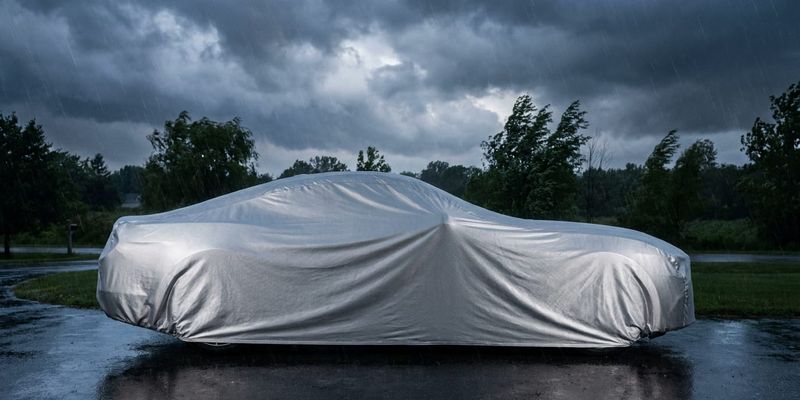
Here's the mix-up we see constantly. Someone buys a cover, uses it correctly, finds water underneath the next morning, and assumes the fabric isn't waterproof. But a cover that blocks rain from the outside can still trap moisture that originates from the inside, like humid air or a wet car surface. Those are two separate jobs, and not every cover handles both equally well.
So this comes down to two things: figuring out where the moisture is actually coming from, then matching the fix to that cause. We'll cover both.
What Causes Condensation to Form Under a Car Cover?
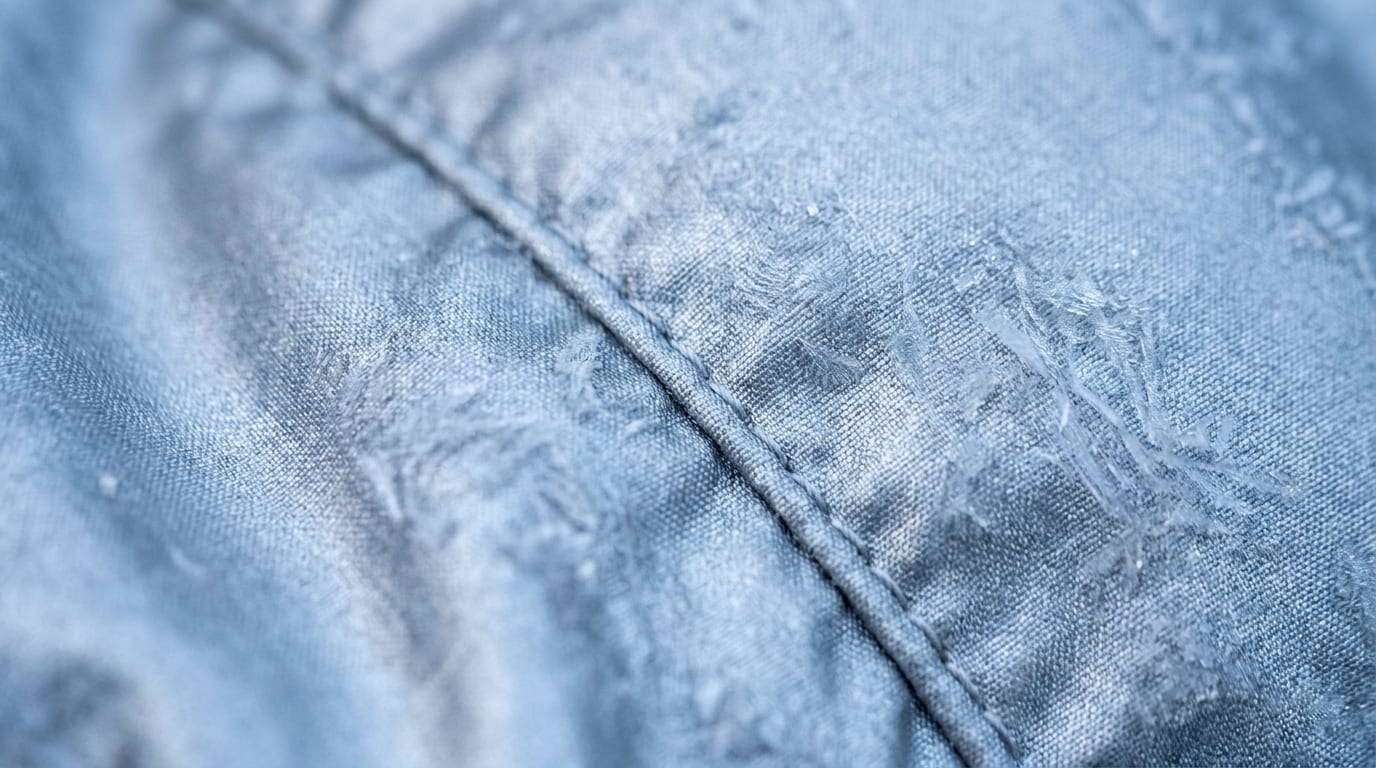
A few different situations create the same symptom.
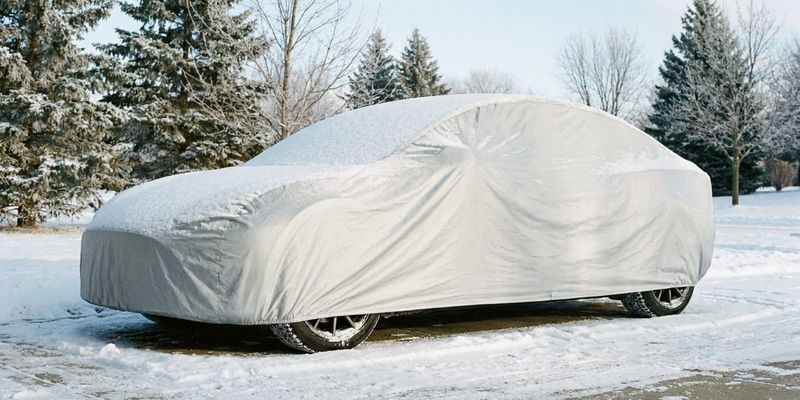
Temperature differential. Warm daytime air holds more moisture than cool air. When the temperature drops overnight, that moisture has to go somewhere, and it lands on the coolest surface available, which is usually your car's metal body under the cover. It's the same reason grass gets wet with dew even on nights it never rained.
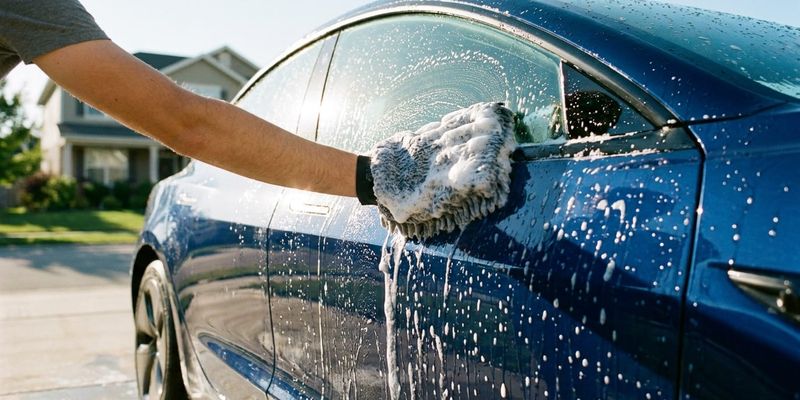
Covering a wet or damp car. This is the big one. If you throw a cover over the car right after a rainstorm, a wash, or even just morning dew, you're sealing that moisture in. With no airflow and nowhere to evaporate, it just sits there.
Non-breathable fabric. Solid vinyl or plastic covers are great at keeping rain out, but they're also good at keeping humid air in. Without some way for vapor to pass through the material, moisture builds up against the paint instead of escaping. If you're shopping around, it's worth reading up on waterproof car covers and how breathability factors into that choice, because "waterproof" and "breathable" aren't the same spec.
Ground moisture wicking upward. Parking on grass, gravel, or damp concrete lets humidity rise up into the space under the cover overnight, even if the car itself was bone dry when you covered it.
Humid or coastal climates. If you live somewhere the air is just naturally thick with moisture, you're going to see more condensation than someone in a dry climate, regardless of how good the cover is. There's simply more water vapor available to condense.
Is Condensation Under a Car Cover Bad for My Vehicle?
Not always, and not immediately.
A light layer of condensation that dries out once the sun comes up isn't going to hurt anything. Cars deal with humidity all the time. The problem is repetition. Moisture that gets trapped under a cover day after day, week after week, starts creating real risk: water spots baked into the clear coat, a musty mildew smell soaking into the fabric, and surface rust creeping in on exposed trim, badges, and wheels.
Here's the part that surprises people: a non-breathable cover combined with constant trapped moisture can actually do more damage to your paint over time than leaving the car uncovered during a dry stretch of weather. A cover that can't let moisture out turns into a greenhouse. If you're not sure a cover is worth it in the first place, our breakdown of why you should use a car cover covers where the real protection comes from, and moisture management is a big piece of that.
How to Stop Condensation Under a Car Cover

The fix depends on the cause, but most of these apply no matter what's driving the moisture.
- Dry the car before you cover it. Every time. Especially after rain or a wash. This single habit eliminates the most common cause of trapped moisture.
- Switch to a breathable, multi-layer cover material. These are built to let water vapor escape while still blocking rain from getting in. If your current cover is solid vinyl or plastic, that's probably your root cause right there.
- Create airflow space with a support pole or cable system. A cover sitting flush against wet paint has no room for air to move. A support pole installation lifts the fabric off the body and lets humid air circulate instead of condensing directly on the surface.
- Pull the cover off every few days in humid climates. Let the car and the cover both air out fully. This resets the moisture balance before it has a chance to build up.
- Rethink where you park. If you're constantly battling ground moisture from grass or gravel, a dry pad or a stretch of concrete will cut down on wicking considerably.
If you're new to covers in general, our guide to installing a car cover correctly and our full rundown on using a car cover outdoors both touch on airflow and fit, which matter just as much as the fabric itself.
Choosing the Right Cover Material to Prevent Future Condensation
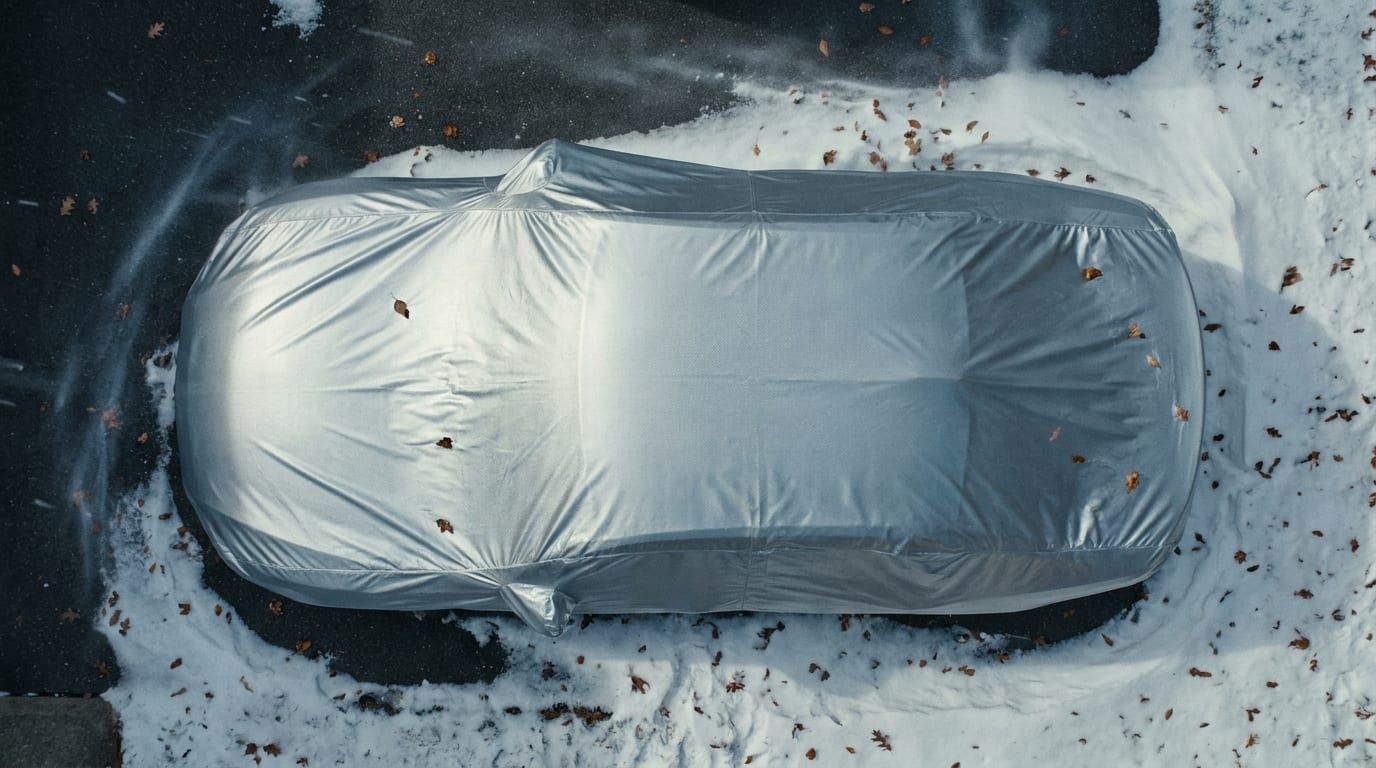
This is where most of the long-term fix actually lives.
Breathable fabrics cost more than basic vinyl or plastic, and there's a reason for that. They're engineered to let water vapor pass through the weave while still shedding rain. Plastic and vinyl are cheaper because they're simpler: solid, impermeable, and effective at keeping water out, but just as effective at trapping it in.
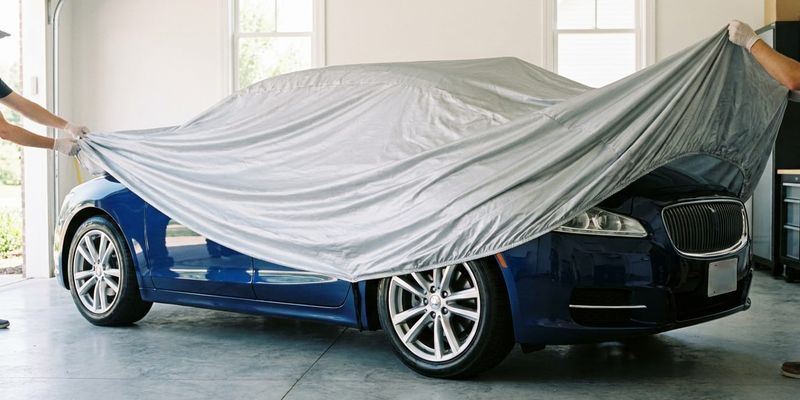
If the car lives in a garage, you don't need to fight rain exposure at all. Indoor car covers prioritize breathability and dust protection over waterproofing, which is part of why they're far less prone to trapping condensation in the first place. There's no rain to block, so the fabric can focus entirely on letting air move.
Outdoor use is a different balancing act. You need real water resistance and breathability working together, not one at the expense of the other. Our guide to outdoor car covers walks through how that trade-off actually works in the materials available.
One more factor worth mentioning: fit. A loose, universal cover flaps around in the wind and leaves gaps at the wheel wells and mirrors, both of which let in extra humid air. A custom-fit cover hugs the body closely enough to cut down on that gap exposure, which means less opportunity for outside humidity to sneak in and settle. If you're still figuring out what fits your vehicle, the cover finder tool will match you to options built around breathability for your specific climate.
How Often Should I Check or Remove My Car Cover to Prevent Moisture Buildup?
In humid or rainy regions, pull the cover off and wipe the car down at least once every few days. In drier climates, you can stretch that out considerably, since there's just less moisture in the air to begin with.
While you're at it, check the underside of the cover itself, not just the car. A musty smell or visible spotting on the fabric is an early warning sign that moisture has been sitting longer than it should. Catching that early is a lot easier than dealing with set-in mildew later. If your cover has already picked up some moisture damage, our step-by-step cover cleaning guide covers how to dry it out and clean it properly before it goes back on the car.
Keep Your Car Dry and Protected With the Right Cover
Condensation under a cover is a moisture-management problem, not a reason to give up on covering your car at all. Dry the vehicle before you cover it, give it some airflow, and pick a fabric built to breathe. Do those three things and the puddles under the hood mostly stop being an issue.
If you're not sure which cover actually fits your climate and parking situation, take a few minutes with the cover finder tool and match something breathable to your specific vehicle. A properly fitted, custom cover closes up the gaps that let humid air sneak in to begin with, which pays off in paint protection for years, not just one damp morning.
Frequently asked questions
Why does my car cover have condensation underneath?
Condensation under a car cover is almost always trapped moisture, caused by temperature swings, covering a wet car, non-breathable fabric, ground moisture, or humid climates, not a defective or leaking cover.
How do I stop condensation from forming under a car cover?
Dry the vehicle fully before covering it, use a breathable multi-layer cover, add a support pole for airflow, remove the cover periodically to air out, and avoid parking on grass or gravel long-term.