Articles Seasonal & Weather Car Care Tips
Best Car Cover for Las Vegas, NV Extreme Dry Heat: A Local Buying Guide
Published
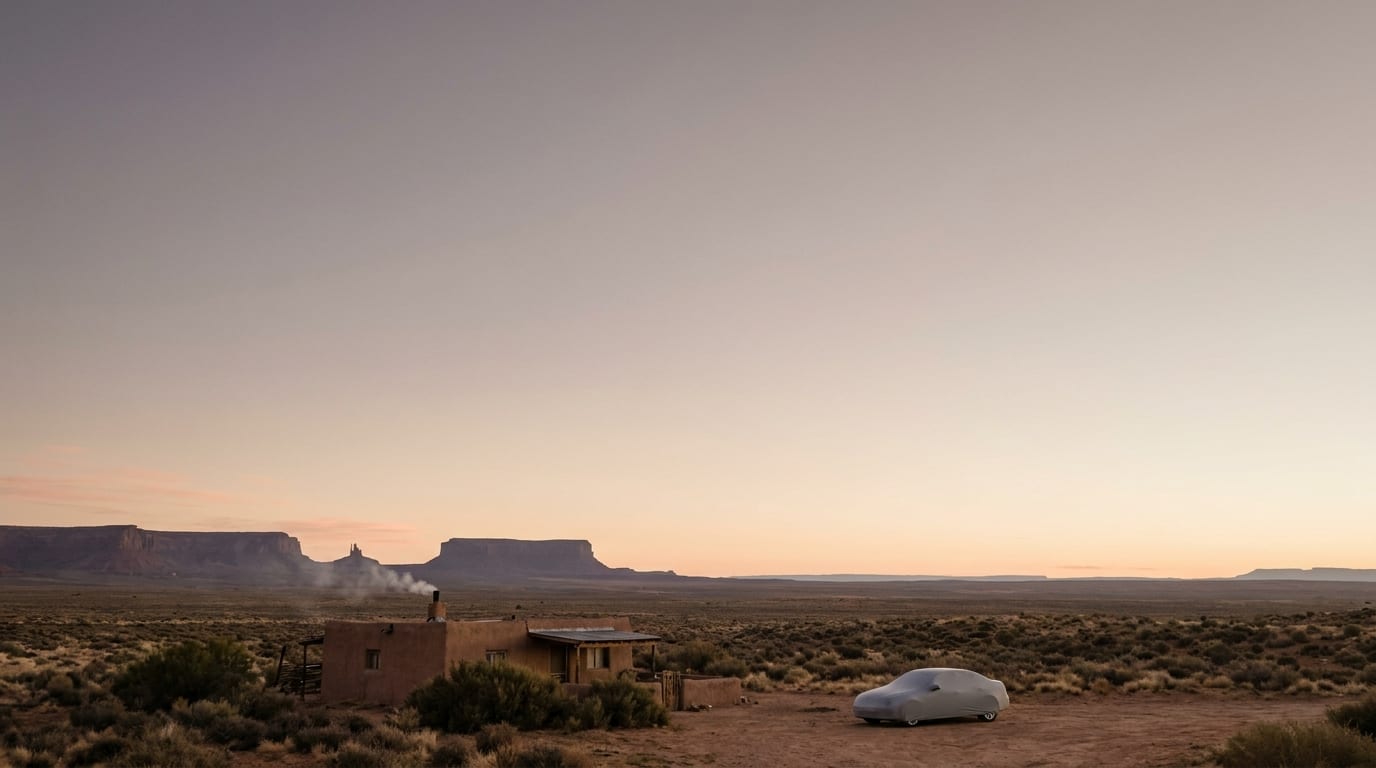
Park a car in Las Vegas without protection for a summer, and you'll watch it age five years in five months. Clear coat dulls, dashboard plastic goes brittle, rubber trim starts cracking at the edges. The valley's combination of triple-digit heat, relentless UV, and blowing desert dust is uniquely hard on vehicles, which means finding the best car cover for Las Vegas, NV extreme dry heat isn't a nice-to-have. It's basic maintenance.
Las Vegas's Extreme Dry Heat Means Your Car Cover Can't Be an Afterthought
From May through September, Vegas routinely sits in the 105-115°F range, and that's air temperature. Surface temps on an uncovered hood or roof can climb past 150°F on a clear afternoon. Add in one of the highest UV indexes in the country, humidity that barely registers, blowing sand kicked up from the surrounding desert, and swings of 30+ degrees between day and night, and you've got a climate that's genuinely rough on a parked vehicle.
Here's the problem: most car covers sold online are built and marketed for rain-heavy regions. They're waterproof, sure, but waterproofing and UV resistance aren't the same engineering problem. A cover designed to shed a Seattle downpour isn't necessarily built to survive eight hours of direct desert sun, day after day, without breaking down itself. This guide is about matching cover features to what Vegas actually throws at a car, not buying based on price tag or whatever's top of the search results.
What Vegas's Desert Climate Does to an Unprotected Car
Sun damage comes first. UV exposure oxidizes clear coat, fades paint, and dries out dashboard and seat plastics even when the sun's hitting through glass rather than directly on the body. It's slow, then it's obvious.
Heat makes it worse. Interior temperatures in a parked car can push past 160°F here, which speeds up the breakdown of dash materials and seat trim, and dries rubber seals until they crack. Then there's the dust. Fine desert sand settles into every panel gap, and when wind picks it up and drags it across the surface, it acts almost like sandpaper on exposed paint over time.
Even the cover itself isn't safe from this. A cheap, non-UV-rated cover will discolor, stiffen, and start flaking apart faster here than it would in a milder climate. Picking the best car cover for Las Vegas, NV extreme dry heat means picking something that can take the heat itself, not just protect what's underneath it.
Must-Have Features for a Car Cover in Extreme Dry Heat
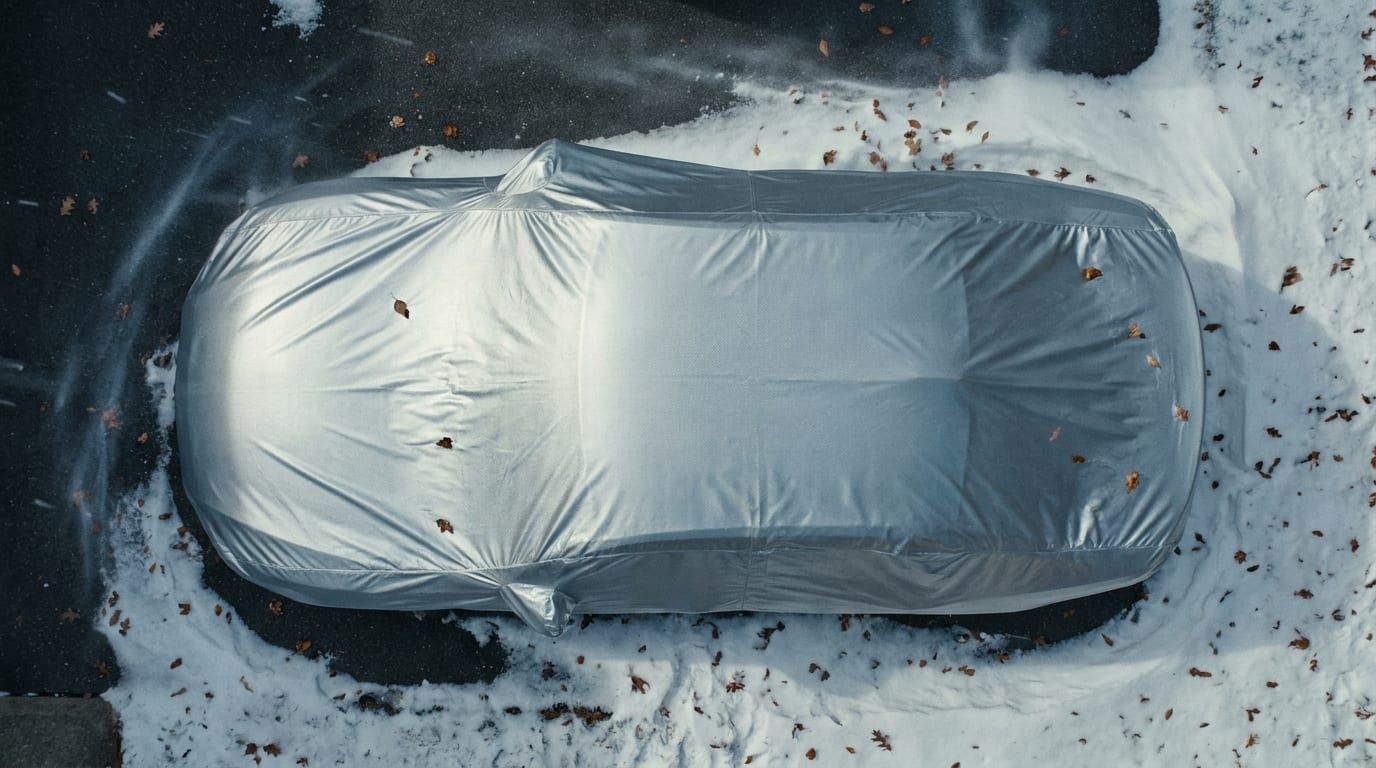
A handful of features actually matter here, and most generic covers skip at least one of them.
- UV-stabilized fabric, not just "water-resistant" material. Those are different specs, and only one of them protects against sun damage.
- Breathable, multi-layer construction that blocks UV while letting trapped heat and moisture escape, so the cover doesn't bake itself against the paint.
- Lighter or reflective colors. A dark cover sitting in direct desert sun all day absorbs more heat than a lighter one, which matters for both the paint underneath and the cover's own lifespan.
- Reinforced seams and UV-stable elastic or straps. Standard elastic degrades fast in constant high heat and can lose its grip within a single Vegas summer.
- A soft inner lining. Dust gets trapped between the cover and the paint no matter what, and a smooth lining keeps it from scratching the surface when wind shifts the fabric around.
Skip any one of these and you're compromising somewhere.
Outdoor vs. Indoor Storage: Which Cover Type Fits Your Vegas Situation
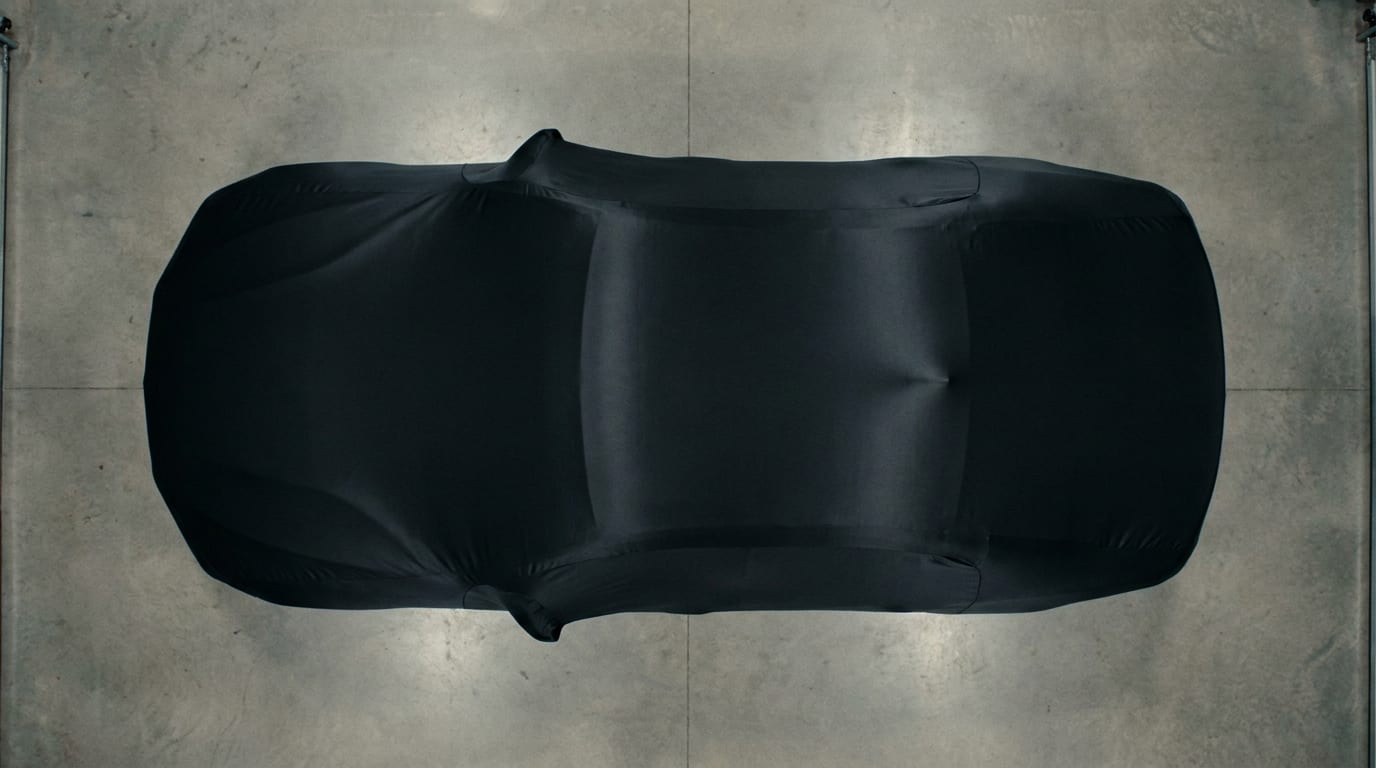
Where the car actually sits changes what you need.
Parked in a driveway or an open lot all day? You need a heavy-duty outdoor car cover built for UV and wind exposure, not one designed mainly to handle rain. Garage or carport storage is more forgiving. UV and dust exposure drop a lot once the car's under a roof, so a lighter indoor car cover usually does the job, though a closed garage can still trap serious heat on summer afternoons, so don't assume indoor means no protection needed at all.
Street parking in a denser neighborhood adds another variable: dust kicked up by passing traffic. In that case, it's worth looking at a cover with a built-in cable or lock option, since you're getting protection and a bit of security in one.
Matching Cover Material to Your Vehicle and Parking Spot
If your car sits outside eight-plus hours a day, every day, spend the extra money on a heavier-duty UV-rated fabric. A budget universal cover might survive a season, but it won't hold up the way a purpose-built outdoor cover will under constant desert sun.
If it's a weekend car or something you keep mostly in a garage, a satin or indoor-specific material is usually enough. It protects against dust without the bulk of an outdoor-grade cover, which makes it easier to put on and take off for a car you're not driving daily anyway.
Trucks and SUVs are worth a specific mention here. More exposed surface area means more direct sun hitting the body, so factor vehicle size into the fabric weight and reinforcement you're buying, not just the price point. And a custom-fit cover closes the gaps that a loose universal one leaves open, gaps that blowing dust and trapped heat exploit over time.
Installation & Maintenance Tips for Desert Conditions
Put the cover on in the morning or evening when you can. Handling fabric on a hot vehicle surface is miserable, and it traps residual heat under the cover right from the start.
Cinch straps and grommets down tight. Vegas gets periodic high-wind gusts, and loose fabric plus loose desert dust is a bad combination, literally sandblasting your own paint if the cover shifts around. Shake the cover out and wipe it down regularly, too. Dry dust builds up fast out here, faster than most people expect, and it works into the fabric fibers if you let it sit too long. For the actual process, a step-by-step installation guide is worth a look if you're new to fitting one properly.
Washing matters just as much as installing. A UV-treated cover needs a cleaning routine that doesn't strip the coating prematurely. Harsh detergents or the wrong wash method undo the UV protection you paid for.
Choosing the Right Fit: Custom vs. Universal for a Desert Climate
Fit matters more here than in calmer climates. A loose universal cover shifts in the wind and lets grit in underneath, which is exactly what a properly fitted cover is supposed to prevent.
Before buying anything, run your vehicle's measurements through a sizing guide. It sounds like a small step, but an ill-fitting cover undermines even the best UV-rated fabric on the market. A cover built for your specific make and model also holds up better against constant desert wind, since there's less loose material flapping and wearing itself out at the seams.
Finding the Right Cover for Your Vehicle
Boil it down and you've got five things to check: UV rating, breathability, color, fit, and where the car actually parks each day. Get those right and you've got the best car cover for Las Vegas, NV extreme dry heat, regardless of what the label says or how it looks in a product photo.
If you're not sure which product matches your vehicle, a cover finder tool will narrow it down by make and model instead of leaving you to guess on size. Browsing top-rated covers is another fast way to see what's actually holding up for other desert and high-UV climates. And warranty coverage is a decent proxy for how confident a manufacturer is in their UV and heat protection, so it's worth checking a brand's warranty terms before you commit.
Vegas heat isn't forgiving, but the right cover makes it a non-issue. If you want more guides like this one for your specific vehicle and parking setup, poke around the rest of our articles or use the fit guide to shortlist a few options worth comparing.