Car Cover vs Windshield Sunshade: Which One Actually Protects Your Car?
Published

The Quick Verdict
A windshield sunshade blocks heat and UV through your glass for a few hours of parking. A car cover protects the entire exterior, paint, trim, tires, mirrors, for hours, days, or months at a stretch. That's the whole car cover vs windshield sunshade question in one sentence, and it's worth remembering before you spend money on either one.
These products aren't competing for the same job. They solve two different problems, and most people who park outdoors regularly end up owning both. The real decision isn't "which one is better." It's how long your car actually sits, and whether it's parked outside at all, versus just needing relief from a hot cabin during the workday. Once you answer that, the car cover vs windshield sunshade choice mostly makes itself.
Car Cover vs Windshield Sunshade: Side-by-Side Comparison
Here's the breakdown, side by side, so you can see exactly where each one earns its keep.
| Factor | Windshield Sunshade | Car Cover |
|---|---|---|
| Price range | $10 to $30 | $100 to $300+ depending on material |
| Protection scope | Windshield and dash area only | Full body, windows, mirrors, often tires |
| UV protection | Dash and upholstery from fading | Paint, clear coat, and trim from oxidation |
| Interior heat reduction | Can lower cabin temp 20-30°F | None, not designed for this |
| Weather protection | None (rain, snow, hail, droppings) | Rain, snow, dust, sap, droppings if [waterproof-rated](/vehicle-covers/waterproof-car-covers) |
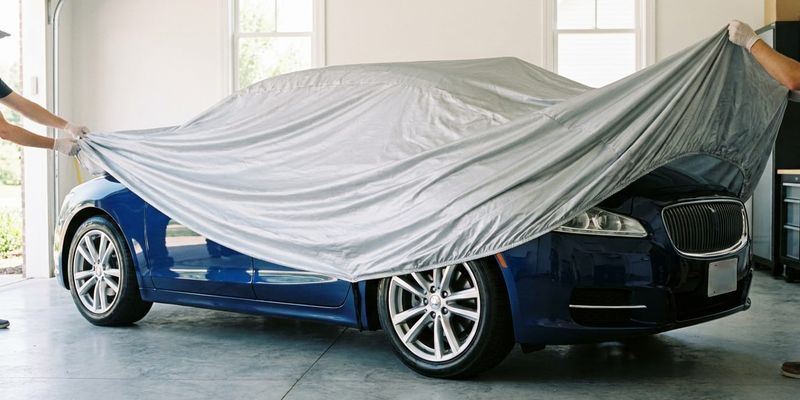
| Install/removal time | Seconds | A few minutes |
| Storage when not in use | Folds into a small pouch | Needs a bag or trunk space, occasional cleaning |
| Typical lifespan | 1-2 years with daily use | Several years with proper care |
| Best use case | Daily commuter parked a few hours in sun | Overnight, weekend, or long-term storage |
Look at that table and the pattern is obvious: one protects what's inside the car for a few hours, the other protects what's outside the car for as long as it needs to.
What a Windshield Sunshade Actually Protects (and What It Doesn't)
A sunshade's job is simple. Reflective material sits behind the glass and bounces solar radiation back out before it cooks your dashboard. That's it. It cuts down on dash cracking, keeps your steering wheel from turning into a branding iron, and slows the fading that eats upholstery color over a few summers.
What it doesn't do is almost everything else. A sunshade offers zero defense against hail dents, tree sap, bird droppings, or road dust landing on your hood and roof. It can't stop UV from fading your paint, because it only covers the glass, not the body. And once you're out of the car for more than a few hours, it stops doing anything at all. It has to come off before you drive, and it provides no coverage overnight, in rain, or through a frost.
Think of it as a daily-use comfort item, not protection in the sense that matters for a parked vehicle over multiple days. If you're trying to actually preserve a car's exterior long-term, a sunshade was never built for that job, which is really the case for why you'd buy a car cover in the first place.
What a Full Car Cover Actually Protects (and What It Doesn't)

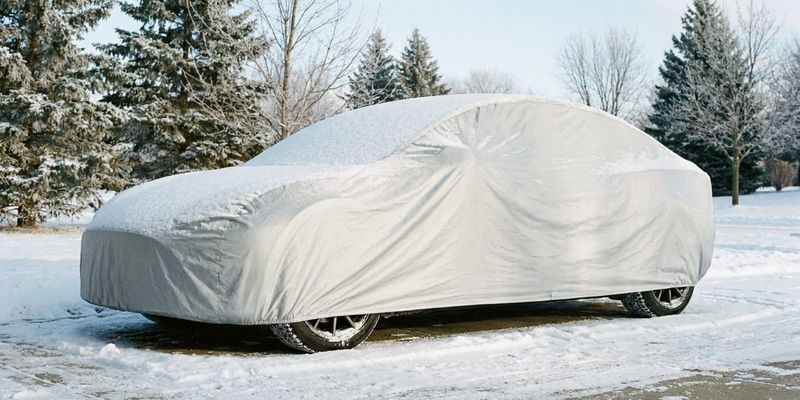
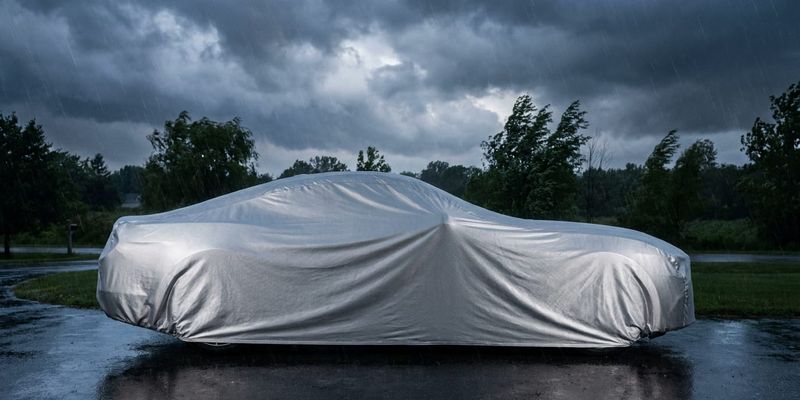
A full car cover does the opposite job: it wraps the whole exterior, paint, clear coat, glass, mirrors, and on many covers the tires and wheels too. A quality cover, matched to the right conditions, guards against UV fading, rain and moisture (if it's actually waterproof-rated), dust, pollen, tree sap, and bird droppings. Some heavier-duty covers are built to handle hail impact too, which matters a lot if you're in a region that gets sudden storms.
Covers are also split by where the car lives. If the vehicle sits in a garage, an indoor-rated cover is lighter and built for dust, not weather. If it's sitting in a driveway or a lot, you want something rated for outdoor conditions, with real waterproofing and UV resistance built in.
One thing a cover won't do: cool your cabin while you're driving. It only goes on when the car is parked, so it's not a sunshade substitute for your daily commute. And fit matters more than people expect. A custom-fit cover that actually hugs your vehicle's lines performs noticeably better against wind flap and water intrusion than a generic universal one that bunches up at the mirrors and flaps at highway-adjacent parking lots.
Cost and Value: What You're Actually Paying For
A sunshade is a cheap, repeat-purchase item. You'll replace it every season or two once the reflective coating starts cracking or peeling. A car cover is the opposite: higher upfront cost, but it's a multi-year investment rather than a disposable accessory.
Frame the value by what each one is actually protecting. A $20 sunshade is standing between you and a cracked dashboard or faded seats, repairs that can run a few hundred dollars. A $150 to $300 car cover is standing between you and a paint job and clear coat redo that can run into the thousands. That's not a close call on a dollar-per-dollar basis.
A cover backed by a real lifetime warranty stretches that value even further, since you're protecting the investment for years, not just through one rough summer.
When You Need Both
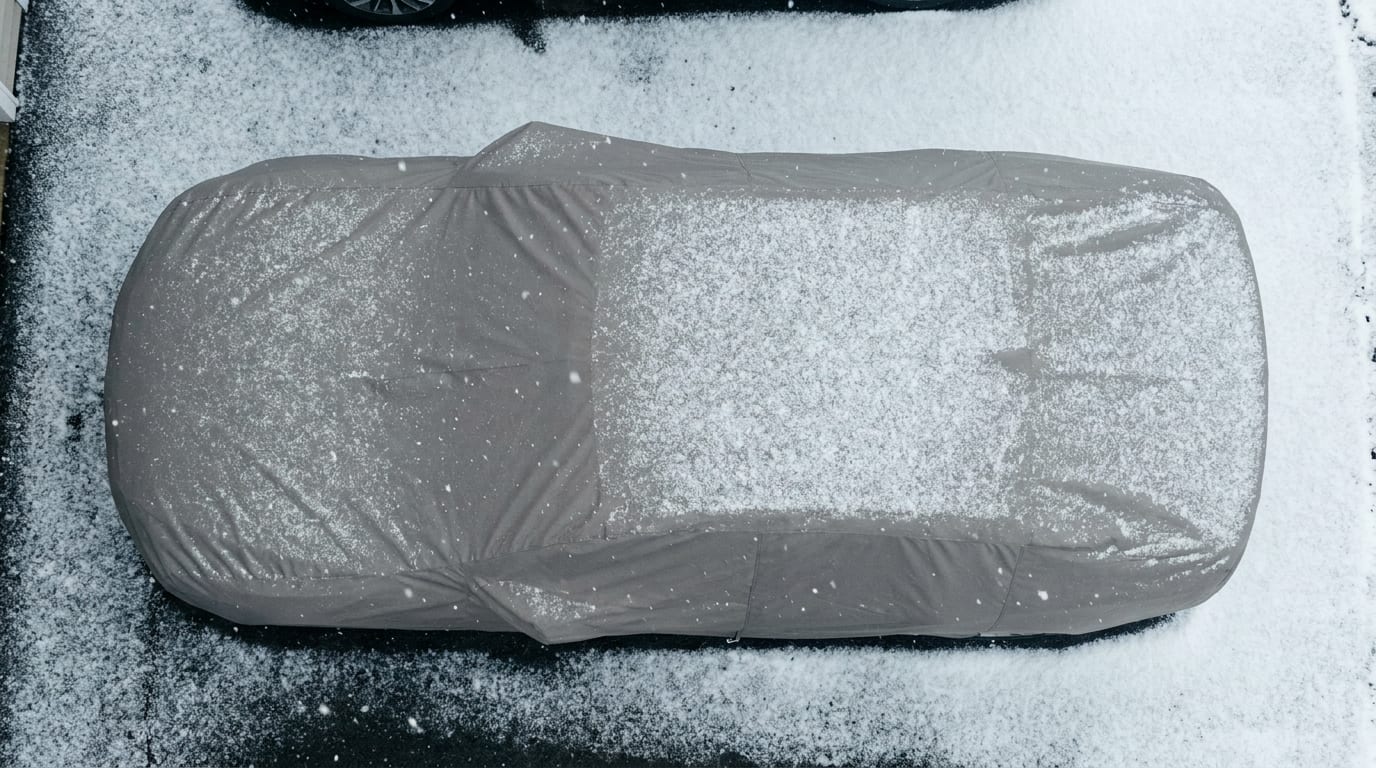
Here's the real-world case that shows up constantly: someone commutes to an office, parks in an open lot all day under direct sun (sunshade territory), then parks the same car outside overnight or over the weekend (cover territory). Neither product covers both situations. You need the shade for the cabin heat during the day, and the cover for the paint and glass overnight.
This combo matters most in high-UV regions like the Southwest and Florida, and in places with frequent storms or snow where heat and weather exposure are both daily risks rather than occasional ones. If you're dealing with outdoor parking in a tough climate, it's worth reading through a guide to using a car cover outdoors before you buy, since wind, rain, and UV each call for slightly different cover specs.
Using both isn't overkill or redundant. They're protecting completely different parts of the car at completely different times of day.
How to Decide: A Quick Checklist
If your car only ever sits for a few hours in daylight and goes back into a garage every night, a sunshade alone probably covers you. Simple as that.
If it sits outdoors overnight, on weekends, in long-term storage, or for days at a stretch, the cover becomes the higher-priority purchase, not an afterthought. Exterior exposure adds up fast, and it's not reversible the way a faded dash sometimes is.
If budget only allows for one purchase right now, buy the cover first. It protects the bigger investment, the exterior finish. Add the sunshade later as a cheap daily-use supplement.
And don't grab a generic cover just because it's cheaper. Match it to your actual conditions, check your vehicle's sizing before buying, and if you're unsure which cover type fits your situation, a side-by-side comparison of top-rated covers is a faster way to narrow it down than guessing off a product photo. If you only need something for a weekend trip or an open-air lot occasionally, find a cover built for that specific use rather than the first one that pops up in search.
Find the Right Cover for Your Situation
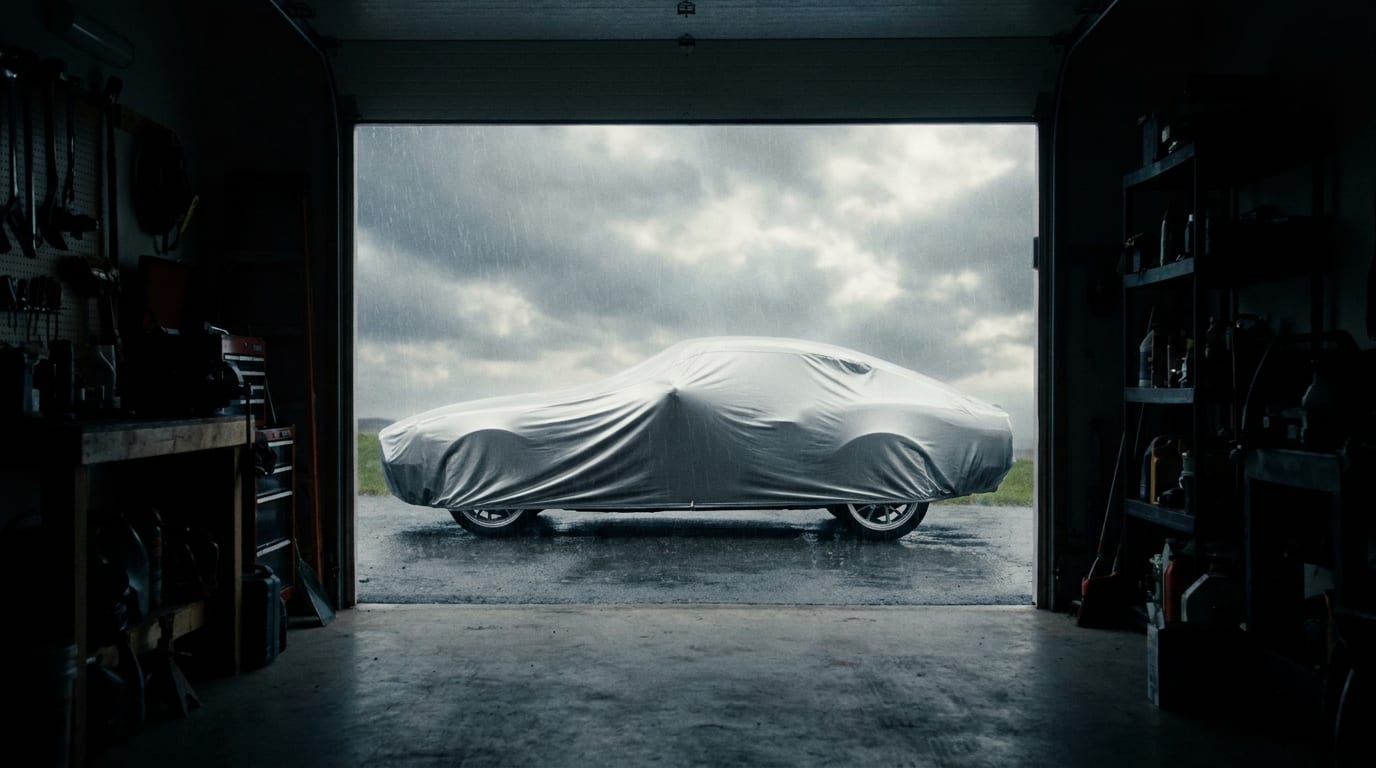
So that's the car cover vs windshield sunshade debate, really: it's not a debate at all. One handles a few hours of cabin heat. The other handles everything your paint, glass, and trim deal with when you're not around to park it somewhere safer.
If you park outside with any regularity, don't make this an either/or decision. Grab both, use them for what they're actually built for, and stop asking your sunshade to do a cover's job. Poke around the rest of our car care guides while you're here, there's a good chance your exact vehicle and climate combination has its own set of quirks worth knowing before winter or the next heat wave rolls in.