


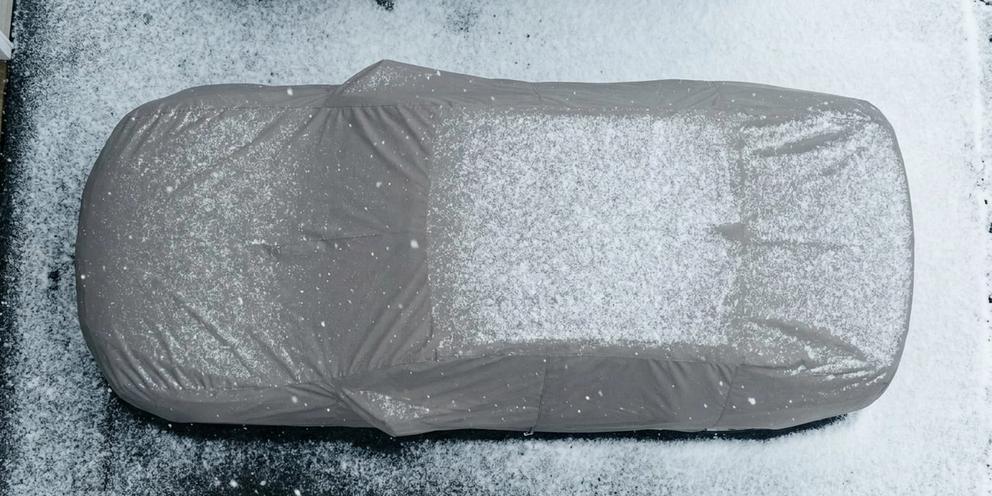
How to Choose and Use a Car Cover for Winter Storage
Parking your car for winter feels simple: find a spot, throw on a cover, walk away. But a car sitting under snow and ice for weeks behaves nothing like a car parked overnight before a commute. Choosing the right car cover for winter storage means thinking about moisture, weight, and time, not just keeping dust off the hood. Get it wrong and you'll pull the cover off in spring to find water stains, mildew, or a crop of new scratches from ice that never should have touched the paint.
Why Winter Storage Needs Its Own Cover Strategy
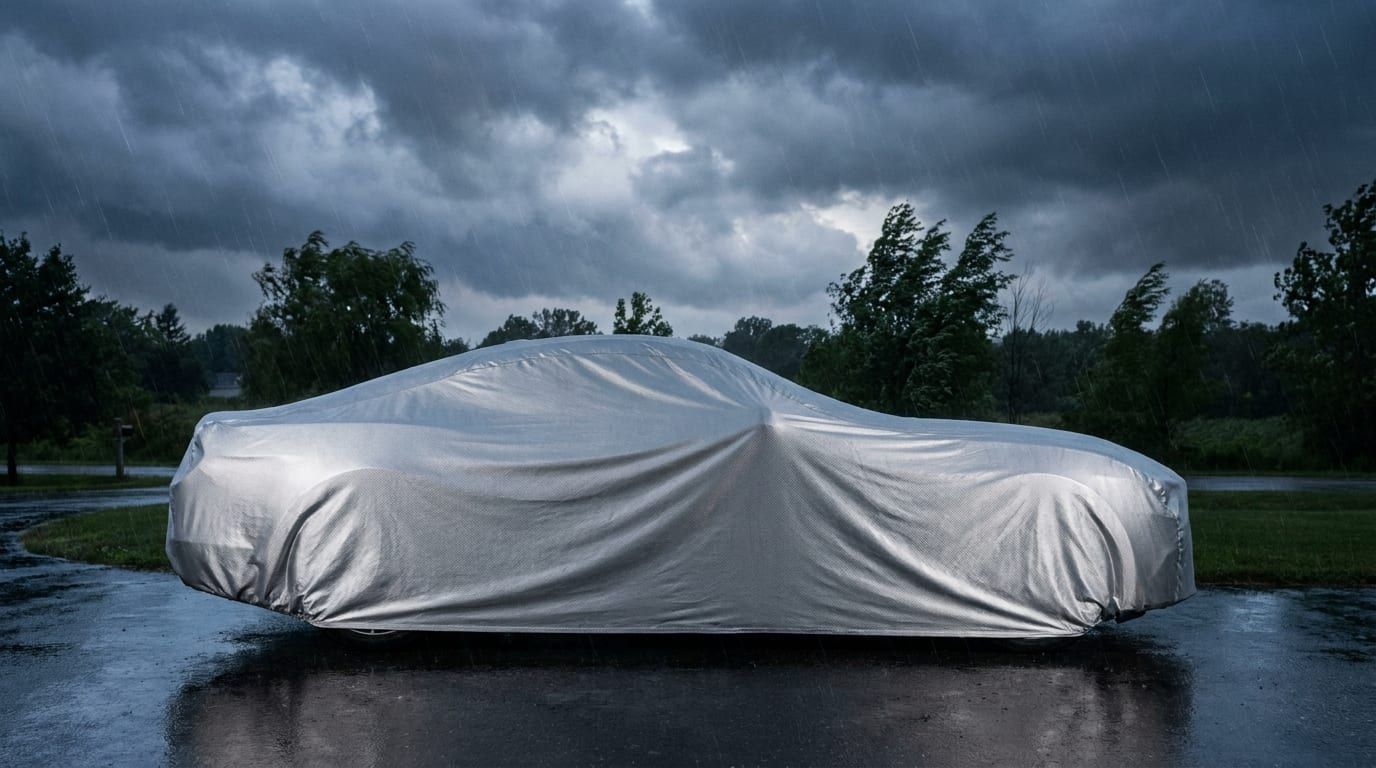
A cover built for daily use is designed to go on and come off constantly. It sheds a little rain, blocks some sun, and that's about it. Winter storage asks for more. Snow load, road salt residue, condensation trapped against the body, freeze-thaw cycles that repeat night after night: none of that is what a lightweight everyday cover was built to handle.
There's also a real difference between parking a car for a few weeks over the holidays and tucking it away for three months or more. Short-term storage gives you more room for error. A slightly loose fit or a cover that's not fully waterproof might be fine for two weeks. Stretch that same setup across an entire winter, though, and small weaknesses become big problems: pooling water finds a seam, snow weight stretches fabric, salt-laced slush works its way into places you can't see until spring.
This article walks through the whole process: picking a cover suited to how and where you're storing the car, prepping the vehicle properly before it goes under, and installing (and checking on) the cover so it actually does its job for the full season.
Indoor vs. Outdoor Winter Storage: Does the Cover Matter Either Way
Short answer: yes, though the reasons change depending on where the car sits.
Garage or storage unit sound safe, and mostly they are. But indoor storage still exposes a car to dust settling for months, scratches from bikes or boxes leaned against a fender, and something people forget: concrete floors sweat. Condensation off a cold slab can creep upward and sit against paint just as easily as rain would outside. An indoor car cover is lighter and more breathable than an outdoor one, but it's still doing real work.
Outdoor storage is the harder case. A cover left outside all winter needs to handle snow load, wind, and UV, even with the sun sitting lower in the sky. People assume UV isn't a winter problem. It still is, just less intense. An outdoor car cover rated for the elements matters more here than at any other time of year, because nobody's coming out to fix a problem mid-January.
Waterproofing is where outdoor winter storage really separates from everything else. Snow melts, refreezes, melts again. Over weeks of that cycle, water finds every weak seam it can. A cover that's merely water-resistant will eventually let moisture through; a genuinely waterproof car cover is the difference between a dry car in March and a musty one.
What to Look for in a Winter Storage Cover
Weight and weave matter more in winter than any other season. A heavier cover with a soft, sometimes fleece-lined interior resists scratching from ice buildup and adds a thin layer of thermal buffering between the body panel and the outside air. Thin, single-layer covers just don't hold up the same way.
People argue endlessly about which fabric performs best in cold, wet conditions, and honestly, there's no single right answer since it depends on your climate and storage setup. Our breakdown of car cover material options goes through the tradeoffs in more depth if you want to compare specifics before buying.
Seam sealing and grommets for tie-downs or cable locks sound like small details until you're dealing with a 40 mph wind gust in an open driveway. In mild weather a loose corner just flaps. In winter it can rip.
Fit matters too, maybe more than people expect. A cover that's too big pools snow in the slack fabric, and that weight stresses seams over time. If you're not sure what you need, sizing your car cover correctly is worth five minutes before you buy anything.
And no, a tarp is not a substitute here. Tarps trap condensation against the paint, chafe with wind, and have zero shape retention around mirrors or trim. We've laid out the full case in why a tarp isn't a real alternative to a car cover, but the short version: freezing conditions expose every weakness a tarp has.
Prepping Your Car Before It Goes Under the Cover
Wash it. Dry it completely. This step gets skipped more than any other, and it's the one that causes the most damage. Road grime and moisture trapped under a cover for weeks doesn't just sit there quietly; it accelerates paint damage and invites mildew. Give the car a real wash and let it dry fully before the cover goes anywhere near it.
While you're at it, top off fluids, think about a fuel stabilizer if the car's sitting more than a month, and check tire pressure. Cold air causes pressure to drop, and a tire that's fine in October can look low by December just from temperature alone.
Battery care matters just as much. A car sitting unused for weeks will drain a battery flat if you don't intervene. Either disconnect it or keep it on a proper trickle charger so you're not jump-starting a dead battery in the spring.
Also worth a look: entry points a mouse or squirrel might use. Rodents seeking warmth are a genuine risk to a parked, quiet car, and they'll chew wiring you really don't want chewed. Our guide on protecting a car from rodents covers the basics if you've never dealt with this before.
Last step before the cover goes on: fold in the mirrors, or better, use mirror socks or antenna covers. Small protrusions are exactly what tears a cover during install, and that's an easy problem to avoid.
Installing and Securing the Cover for the Season
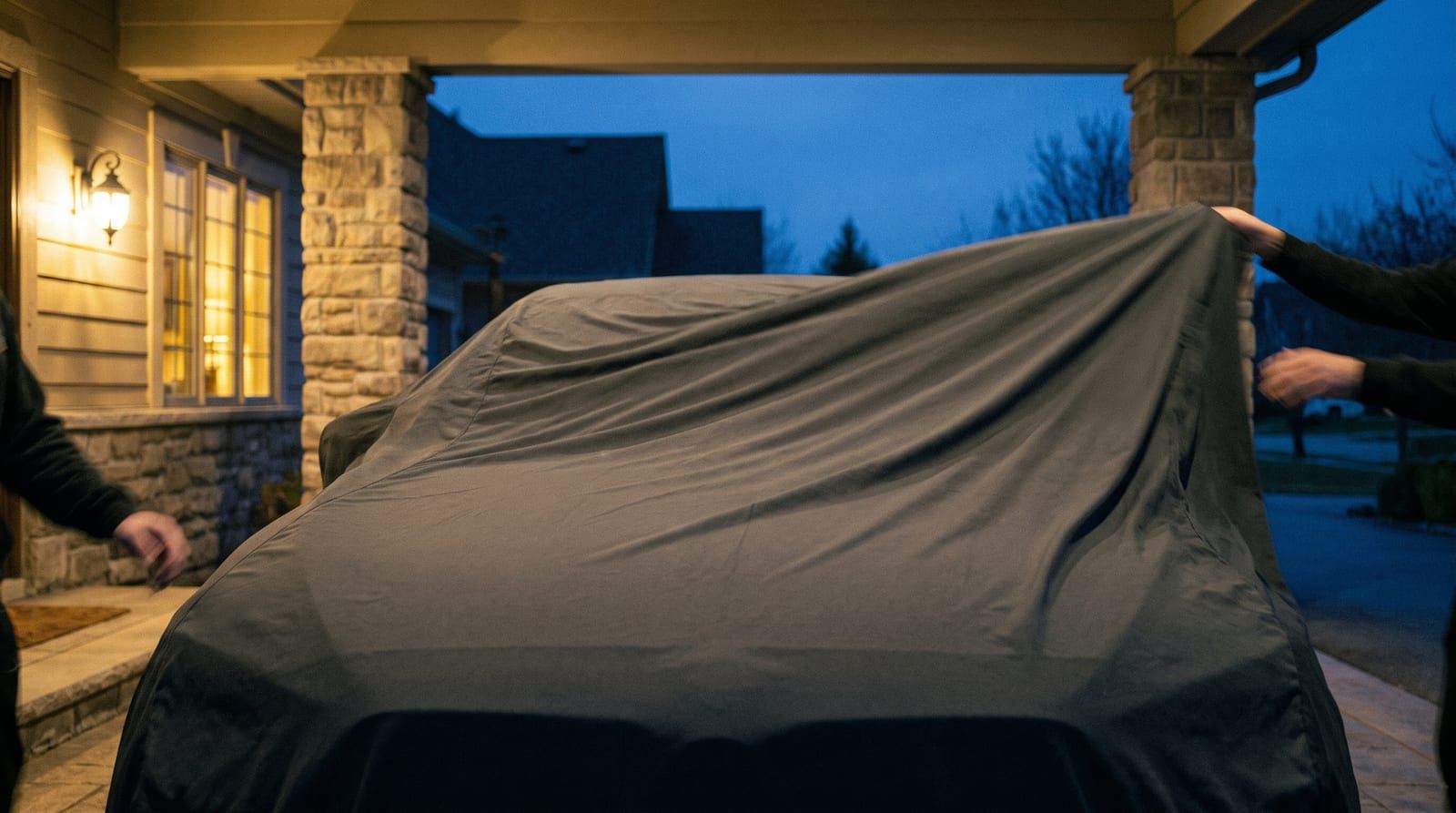
Installation order matters more than people think. Front to back, straps secured, hem cinched snug at the bottom. Rushing this step is how you end up with loose fabric flapping in the first storm. If you've never installed one before, our step-by-step installation guide walks through it cleanly.
If the car's sitting outside somewhere exposed, wind-prone driveways and open lots especially, add gust straps. They're a small add-on that stops a cover from working itself loose over weeks of wind nobody's watching.
Don't just walk away for three months, either. Check on it every couple of weeks. Brush off heavy snow before it compacts into ice, and look for pooling water or spots where ice might be forming against a seam. Five minutes outside beats a spring surprise.
If the cover itself gets visibly dirty or crusted with salt spray, don't ignore it. A light cleaning mid-storage, following our cover care and cleaning guide, keeps the fabric from breaking down early and gets you more seasons out of the same cover.
Don't Forget RVs, Motorcycles, and Other Winter-Stored Vehicles
Everything above applies just as much to bigger rigs. RVs and campers going into winter storage need the same fit, waterproofing, and ventilation logic, just scaled up; RV covers built for the job handle snow load and moisture in ways a generic tarp never will.
Motorcycles and ATVs face the same risks in a smaller package. A properly fitted cover beats a tarp here too, for all the same reasons: shape, seam integrity, and actual weather resistance instead of just something thrown over the top.
This isn't the focus of this article, but if you've got a mixed fleet sitting out this winter, the same principles apply across all of it.
Ready Your Car for the Season Ahead
The checklist really isn't complicated once you break it down: wash and fully dry the car, pick a cover matched to your indoor or outdoor conditions and material needs, install it properly with straps secured, and check on it every couple of weeks instead of forgetting about it until March.
A car cover for winter storage is a small investment against a season's worth of damage that's expensive to reverse. If you're ready to look at options, browse car covers built for the fit and conditions your vehicle actually faces this winter.
And if you want more seasonal car care advice like this dropped in as the weather changes, our articles section is worth bookmarking. One more thing worth knowing before you buy: CarCovers backs its covers with a lifetime warranty, which takes some of the guesswork out of a purchase you're hoping lasts more than one winter.
Updated