Strap System vs. Elastic Hem Car Cover: Which Fit Holds Up Better?
Published
The Quick Verdict
Here's the short answer: elastic hems win on convenience, strap systems win on holding power. If your car sleeps in a garage every night, an elastic hem car cover is the easy choice, it's quick to throw on and quick to pull off. If your car sits outdoors through wind, weather, or weeks of storage, a strap system keeps the cover anchored when elastic alone would let it shift.
This isn't really a "which is better" question. The strap system vs elastic hem car cover decision comes down to where the vehicle actually lives, not which design sounds more rugged on paper. And a lot of the better covers on the market don't force you to pick just one. Many premium options use an elastic hem for the base fit, then add grommets or strap points for extra hold when conditions call for it. So the real question is often "do I need to add strapping to what I've already got" rather than choosing one system from scratch.
At-a-Glance Comparison
| Dimension | Elastic Hem | Strap System |
|---|---|---|
| Wind resistance | Can balloon or shift in gusts above roughly 20-25 mph | Anchors the hem, resists lift in sustained wind |
| Fit security over time | Loosens with repeated stretching, UV, and heat exposure | Holds tension regardless of elastic fatigue |
| Installation speed | Pull on, done, under a minute | Adds a step: thread grommets, buckle or cinch straps |
| Best storage environment | Garages, carports, calm climates | Open-air parking, coastal or windy regions, long-term outdoor storage |
| Wear points | Elastic degrades, may need resewing after seasons of use | Durable, but can chafe paint if not padded or routed correctly |
| Typical cover tier | Standard on base and mid-tier covers | Common on higher-tier outdoor and weatherproof covers |
The pattern across every row is the same: elastic optimizes for speed, straps optimize for staying put. Neither one is wrong, they're just built for different jobs.
How an Elastic Hem Cover Works
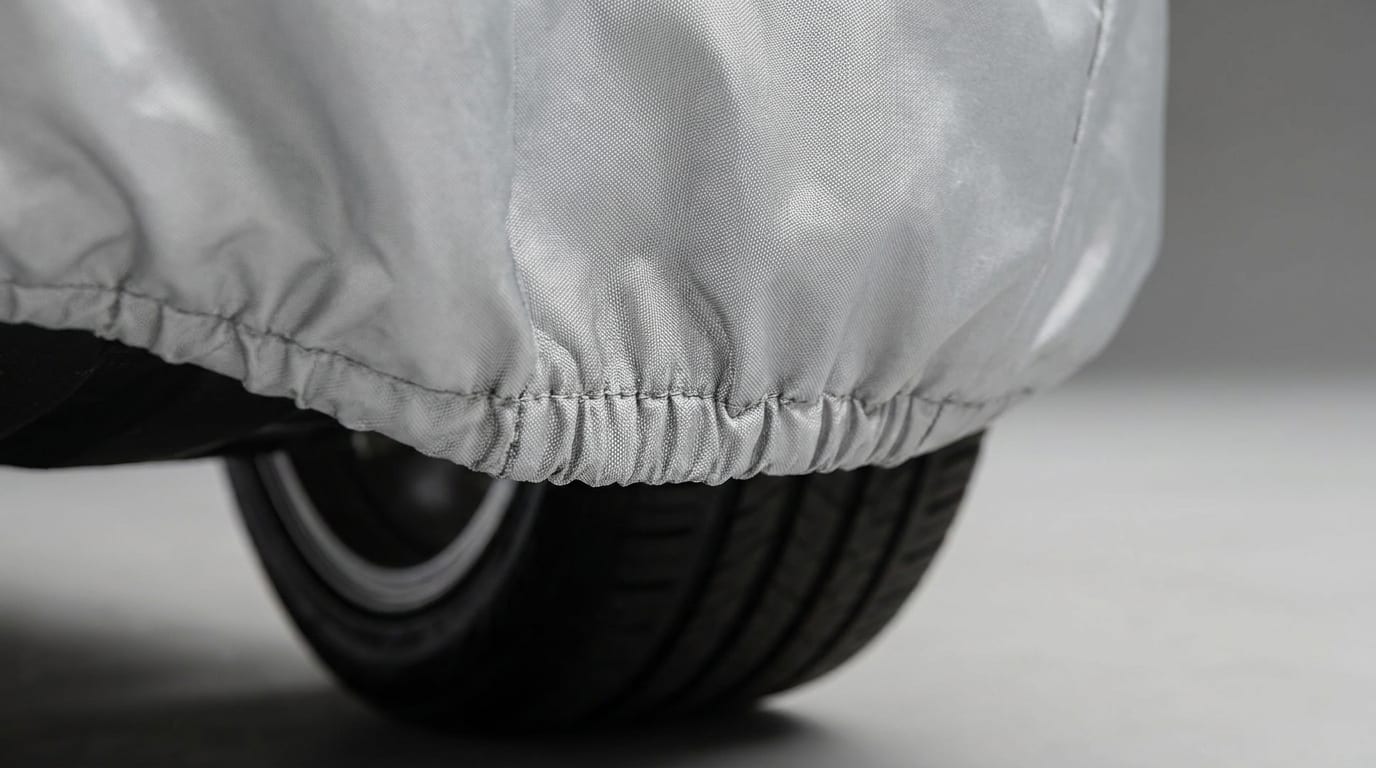
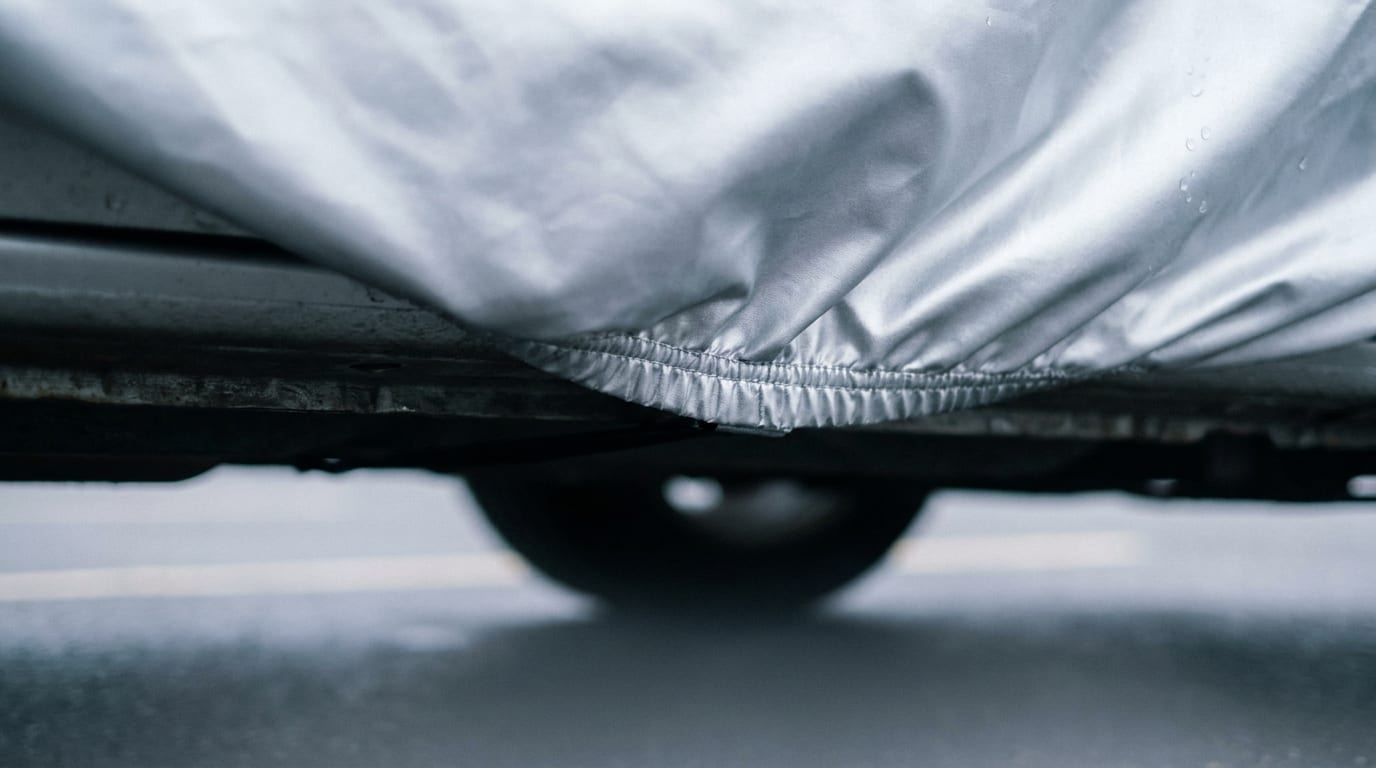
It's about as simple as cover design gets. A sewn-in elastic band runs around the bottom edge of the cover, and it cinches snug against the lower body and rocker panels once you pull it on. No buckles, no hardware, no routing anything underneath the car.
The upside is obvious: installation and removal take seconds, there's nothing extra to manage, and covers built this way are cheaper to manufacture, which usually shows up as a lower price tag. The downside is that the whole system leans on the elastic holding its tension. Heat, UV exposure, and repeated stretching over multiple seasons wear that elastic down. Leave an elastic-hem cover outside long-term and you'll likely notice it loosening before the fabric itself shows much wear.
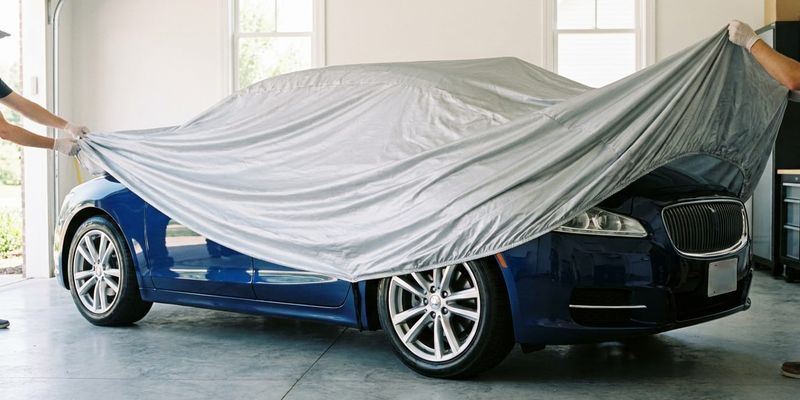
This style makes the most sense for daily drivers that get covered and uncovered constantly, especially in a garage or carport where wind just isn't a factor. If that's your situation, you genuinely don't need more than this. Check what size car cover fits your vehicle before buying, since a loose or oversized elastic hem defeats the purpose no matter how good the elastic is.
How a Strap System Works
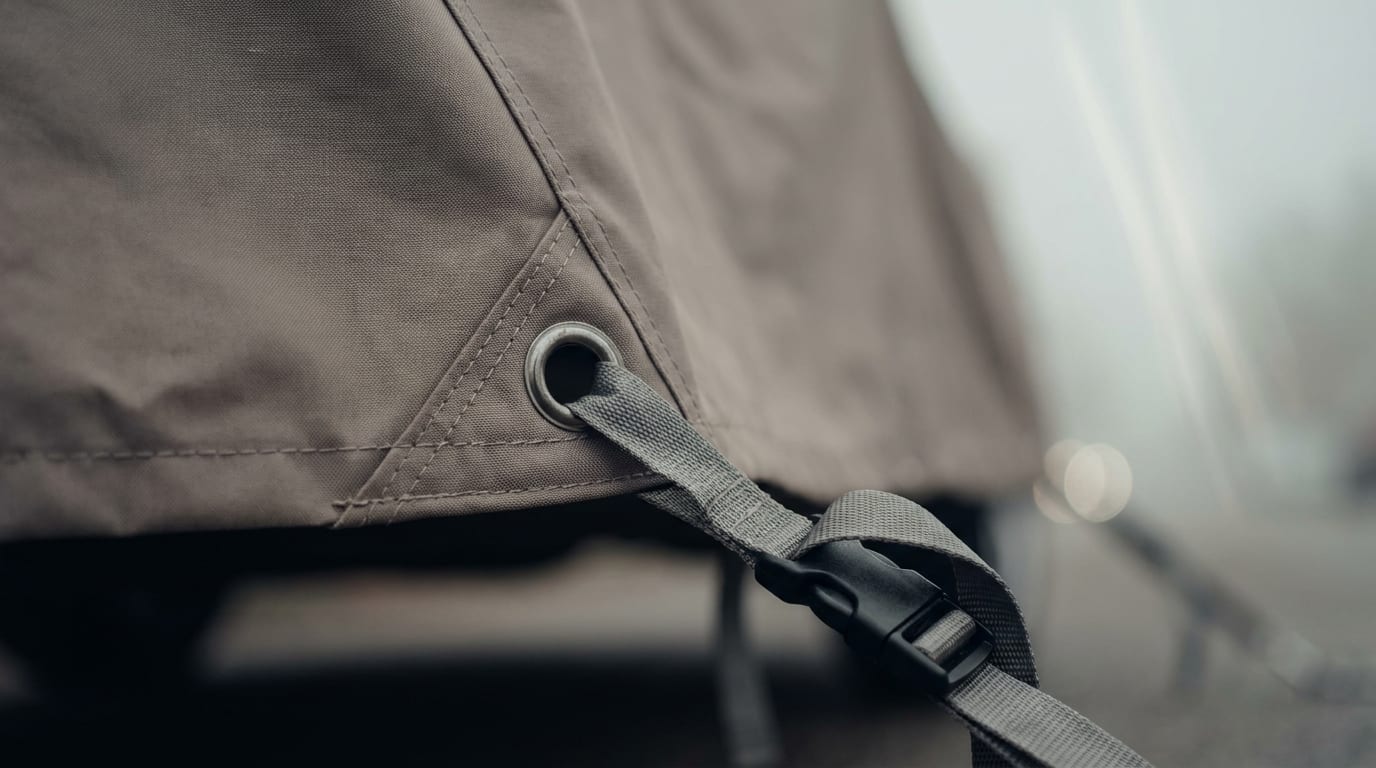
Strap systems show up in a couple of common forms. Some covers use grommets paired with tie-down straps that loop underneath the vehicle or anchor to the ground. Others add separate gust straps, sometimes called wind straps, that cinch across the cover's midsection to keep it from lifting in the middle.
The payoff is real security. A strap system actively resists wind lift instead of just hoping the fabric stays put, and it keeps its grip no matter how worn the elastic underneath might be. Some setups go a step further and pair straps with a cable-and-lock option, which adds a layer of protection against someone walking off with the cover itself. The tradeoff is time and attention: straps add a few minutes to install and remove, you need to route them so they don't rub against paint, and it's one more set of hardware to check for wear.
This is the right call for anything parked outdoors for the long haul, or in a region where wind is a regular problem. If you're going this route, our guide to installing gust straps and wind straps walks through routing and tensioning so you're not guessing.
Which One Matches Your Situation
Match the system to the exposure, not to what sounds more serious.
Daily driver, garage-parked: elastic hem is enough. Don't overthink this one, simplicity wins when wind just isn't in the picture.
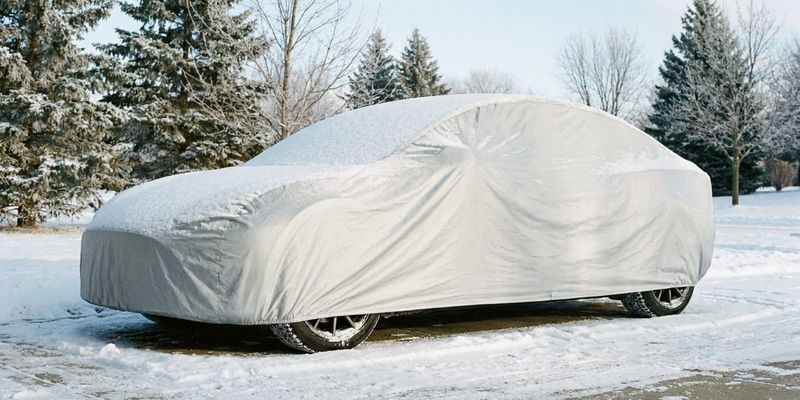
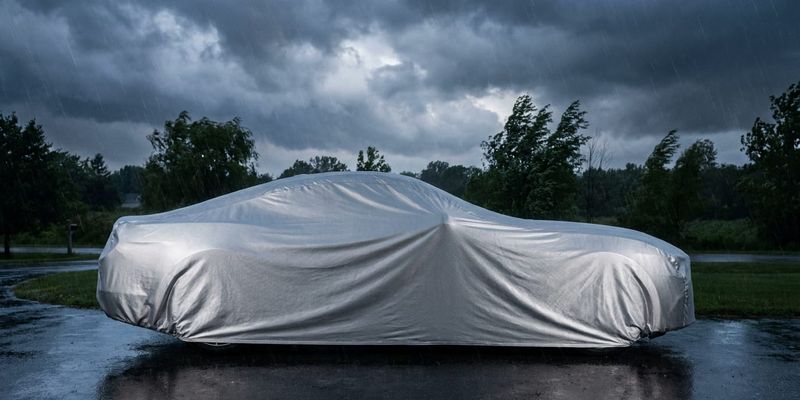
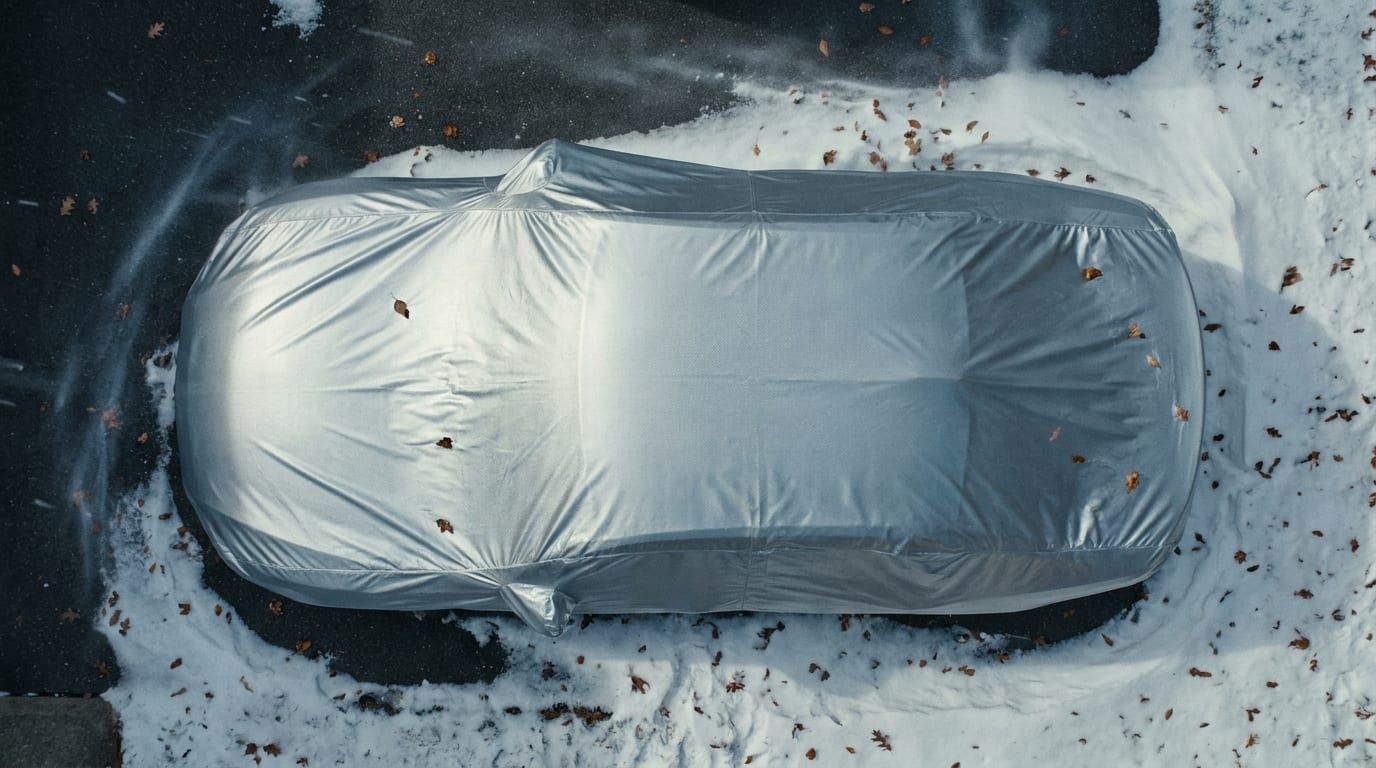
Driveway or outdoor parking in a windy climate: lean toward a strap system, or at minimum a cover that combines an elastic hem with added grommet or strap anchor points. An outdoor car cover built for this will usually have those points already sewn in.
Long-term or seasonal storage, classic cars, RVs parked for the off-season: strap and cable-lock combinations matter here. Nobody wants to come back after weeks away to find the cover half off the car.
Mixed-use vehicles are the trickiest case, and honestly, a lot of owners end up wanting both: elastic for the everyday fit, straps for the nights a storm rolls through or the cover's staying on for an extended stretch. If you're also dealing with rain or snow on top of wind, a waterproof car cover with strap points covers more ground than either feature alone.
Installation and Maintenance Differences
The time difference is small but real. Elastic hem covers go on in under a minute, no learning curve required. Strap systems add roughly two to five minutes depending on how many straps you're dealing with and how they route under the vehicle. Our simple guide to installing your car cover covers the basics either way.
Maintenance looks different for each, too. Elastic needs a seasonal check, feel for stretching or cracking, because that's the part that fails first. Straps and grommets need a look at fraying webbing or rust forming where metal meets metal. Neither takes long, but skipping it is how you end up with a cover that fails you exactly when you needed it most.
One thing worth knowing: you don't always have to choose at purchase time. Gust strap kits can often be added later to a cover that didn't originally include them, so it's a reasonable mid-point upgrade instead of buying a whole new cover. And when you do wash the cover, don't treat the hardware as an afterthought. Straps and grommets trap grit just like fabric does, and that grit causes wear if it's ignored. Our guide to cleaning a car cover and this step-by-step cleaning walkthrough both cover how to do this without damaging either the fabric or the fittings.
Bottom Line and Next Step
Match the anchor to the exposure. Elastic hem for convenience when the car's indoors most of the time, strap systems when it's outdoors and exposed to real wind. That's the whole decision, stripped down.
Before you land on either style, get the sizing right. A custom-fit car cover that actually matches your vehicle's body lines is what makes either anchoring method work the way it's supposed to, a strap system can't save a cover that's two sizes too big. Worth a look through our car care resources too if you're figuring out the rest of your vehicle's upkeep while you're at it. And if you want more breakdowns like this one before you buy, it's worth poking around our other cover guides first.