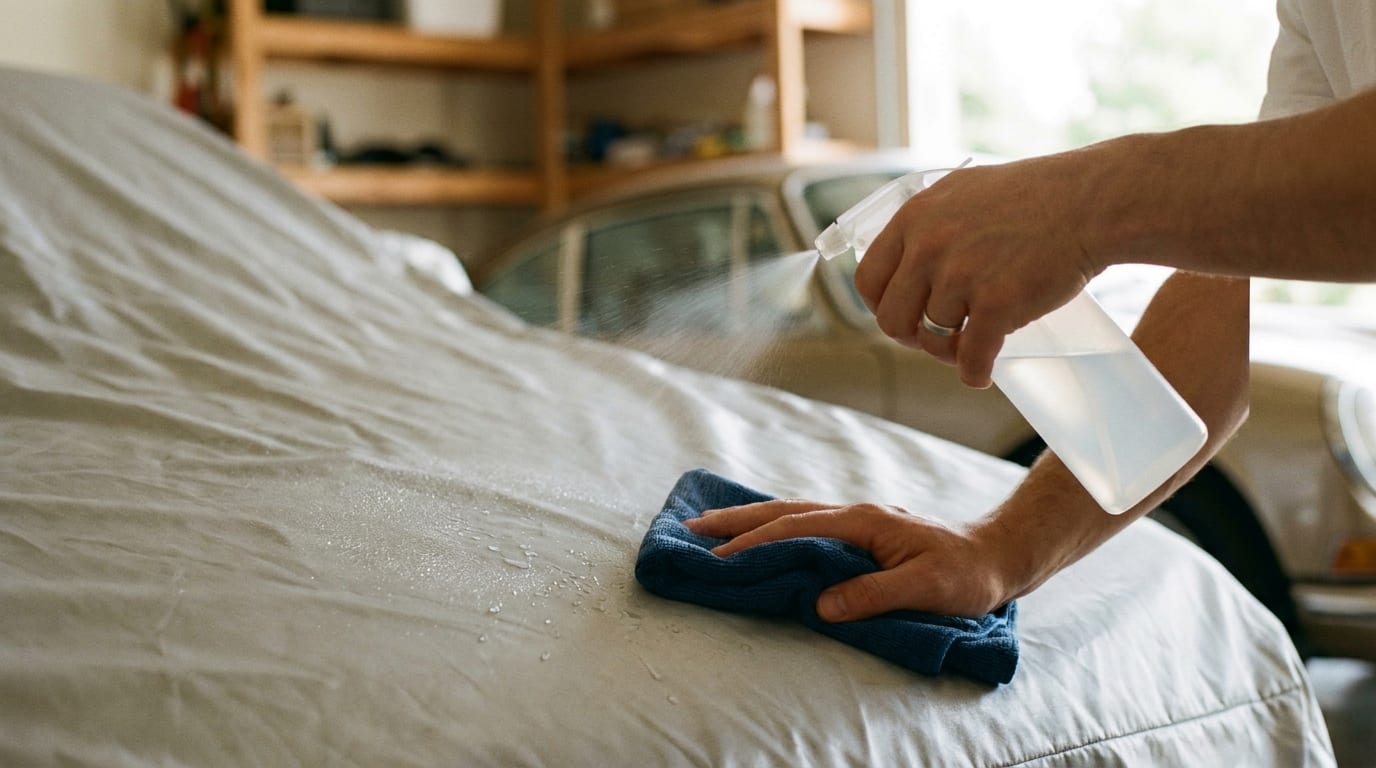
Seams are the first thing to go on a car cover, and it's rarely bad luck. Every panel of fabric has to join somewhere, and that stitch line takes more stress than the rest of the material combined. If you're asking why does my car cover rip at the seams, the honest answer is usually one of four things: wrong sizing, wind flapping the cover around, cheap stitching, or a cover that's simply aged out. We'll walk through each cause in the order you're most likely to run into it, with the specific fix attached, so you can figure out which one applies to you before you write the cover off as defective.
Why Car Cover Seams Rip in the First Place
Think of a seam as a perforated line. Two pieces of fabric get joined by thread, and that thread has to flex every single time the cover moves, whether that's wind, someone brushing past it, or just the fabric settling as temperatures swing. The surrounding material can usually absorb some stress and spring back. Thread and stitch holes can't do that nearly as well. So when something's off, the rip shows up at the seam first, almost every time.
That's actually useful information. A ripped seam is a symptom, not a random defect. It's telling you something about fit, wind exposure, construction quality, or age. Figure out which one, and you'll know whether to repair the cover, replace it, or just change how you're using it.
Diagnose: Is the Cover the Wrong Size for Your Vehicle?
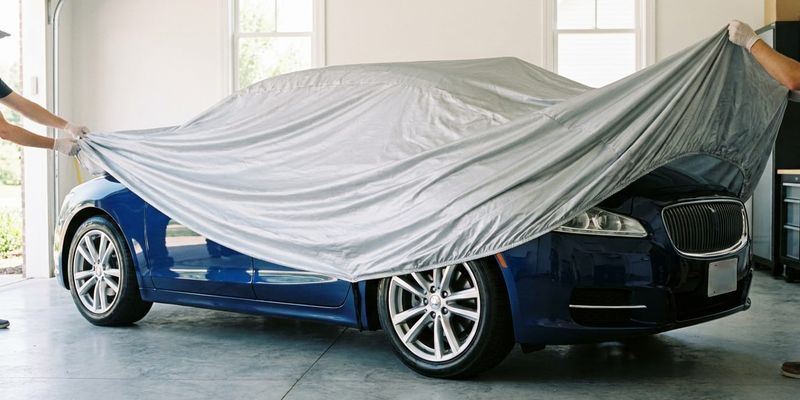
Start here, because it's the most common cause and the easiest to miss. If the seams sit right on top of your mirrors, antenna, or roof rack instead of draping around them with a little slack, that's a fit problem. Same goes for a cover that looks stretched tight across the hood or roofline, like it's working to hold its shape rather than resting on it.
A universal or slightly undersized cover is under tension the moment you put it on. Every gust of wind or bit of movement pulls at fabric that's already stretched to its limit, and that pull gets transferred straight to the thread. Do that enough times and the stitching shears, not because the thread was bad, but because it was never meant to carry that kind of load.
The fix is to actually measure your vehicle: overall length, mirror-to-mirror width, and roofline height, then match that against a cover built for those dimensions rather than a generic "fits most" option. If you're not sure where your current cover falls short, this sizing guide will help you check before you assume the product itself is at fault. For vehicles with an odd shape, roof accessories, or anything that a generic cover never quite accounts for, a custom-fit car cover removes the guesswork entirely.
Diagnose: Wind Flap and Missing Tie-Downs
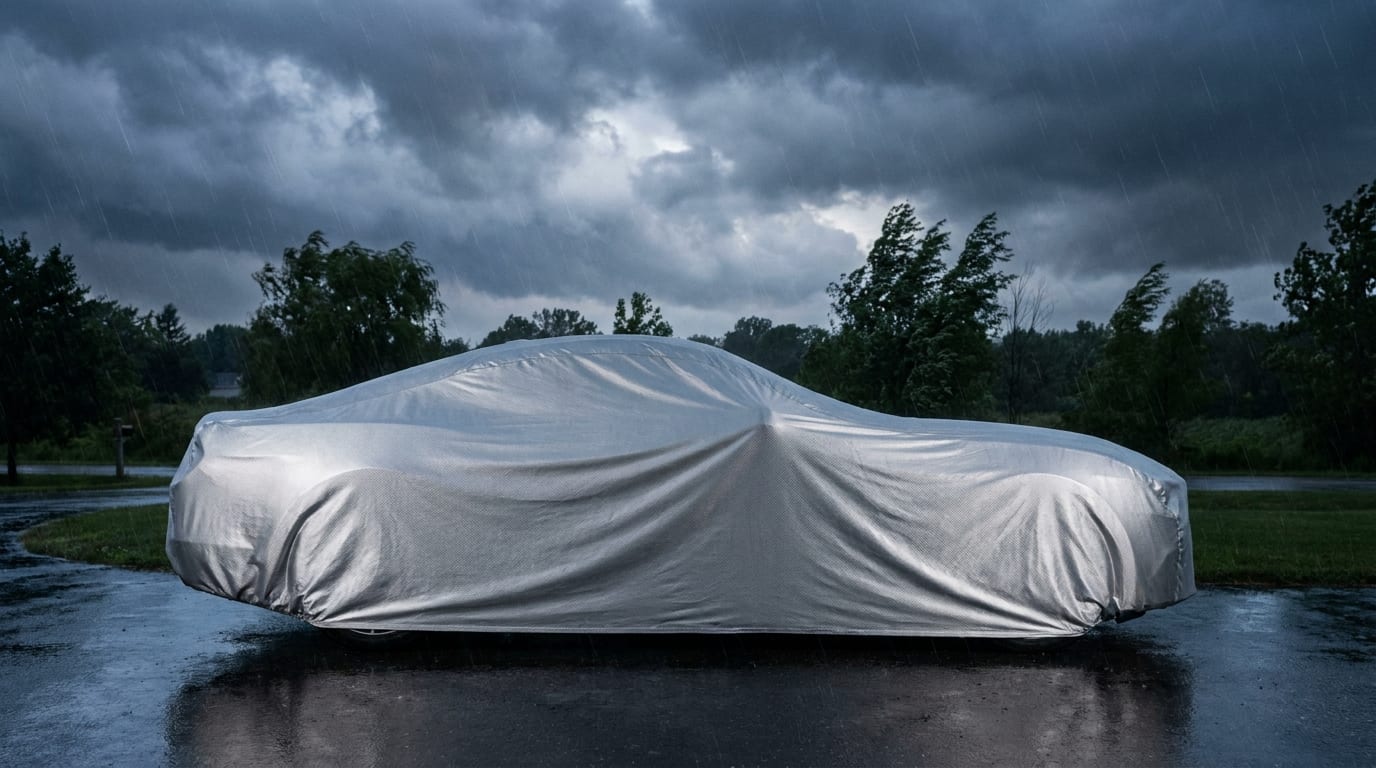
If the rip shows up near the front edge, rear edge, or underneath the vehicle, and you park outside without straps or a cable securing the cover, wind is probably your answer.
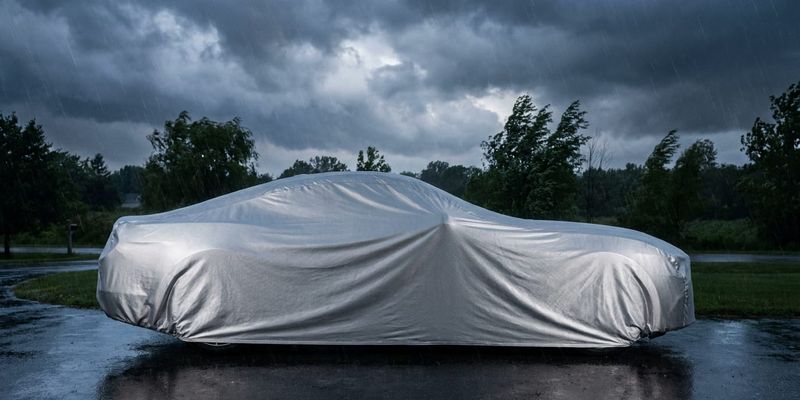
Here's the mechanism: an unsecured cover doesn't just sit there in the wind, it billows and snaps. That flapping motion works like a saw running back and forth across the seam thread, over and over, parking session after parking session. It doesn't take a storm to do this. Regular daily wind in an open lot or driveway is enough over a few months.
This is also one of the most preventable causes on this list. Gust straps, an under-vehicle cable lock, or properly secured grommet tie-downs stop the billowing before it ever starts. If you park outdoors regularly, it's worth reading through how to keep a car cover from blowing away and setting up either a gust strap system or a cable lock so the cover stays put. Honestly, if you're not using one of these and you park outside, it's probably only a matter of time before this is why your car cover rips at the seams.
Diagnose: Thin Material or Low-Quality Stitching
Rip showed up within the first few months of owning the cover? Thread looks like it pulled clean through the fabric instead of actually tearing? That points to construction, not misuse. Run your fingers over the fabric right at the seam. If it feels thin or flimsy compared to the rest of the cover, that's your answer.
There's a real difference between a single-stitched seam and a double-stitched or reinforced one. Single stitching holds up fine in low-stress areas, but at corners, mirror pockets, and anywhere fabric panels meet at an angle, it's the first thing to fail. Reinforced and bound seams distribute that load across more thread and more fabric, which is exactly why manufacturers bother adding them at stress points in the first place.
If you're shopping for a replacement, prioritize double-stitched or seam-sealed construction and a heavier fabric weight, especially if the cover is going to live outdoors. This is genuinely a spot where price and quality track together. A cheap universal cover with single-stitched seams will rip faster than a well-built one, full stop, regardless of how careful you are with it.
Diagnose: UV and Weather Breakdown Over Time

Older cover? Thread or fabric near the seam looking brittle, chalky, or faded? And the rip grew slowly instead of appearing all at once? That's weather fatigue, not a sudden failure.
UV exposure breaks down fabric fibers over time, and it does the same thing to the thread holding seams together. Add repeated wet-dry cycles, rain one day and baking sun the next, and both the material and the stitching lose strength gradually, until eventually a seam gives out even with no wind and no sizing issue involved.
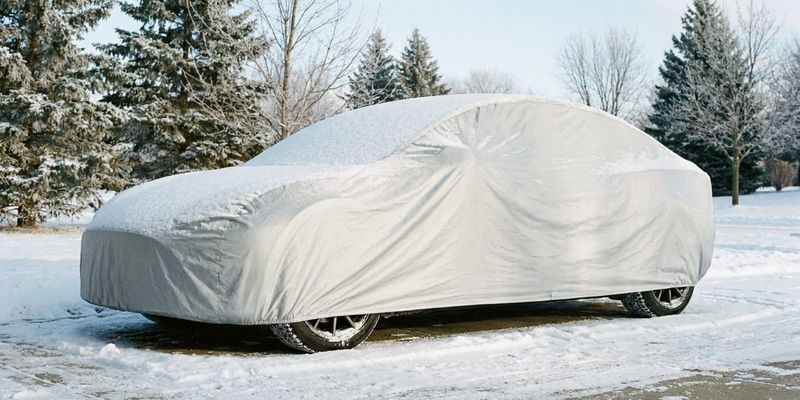
If you can rotate between indoor and outdoor storage, that alone extends the life of a cover significantly. If the vehicle lives outside year-round, make sure you're using a cover actually rated for outdoor conditions, ideally one built with waterproof construction that's designed to handle sun and moisture rather than just block dust. And set your expectations accordingly: even a high-quality cover has a service life. A seam wearing out after a few years outdoors isn't misuse, it's just the cover doing its job until it couldn't anymore.
How to Fix a Cover That's Already Ripped at the Seam
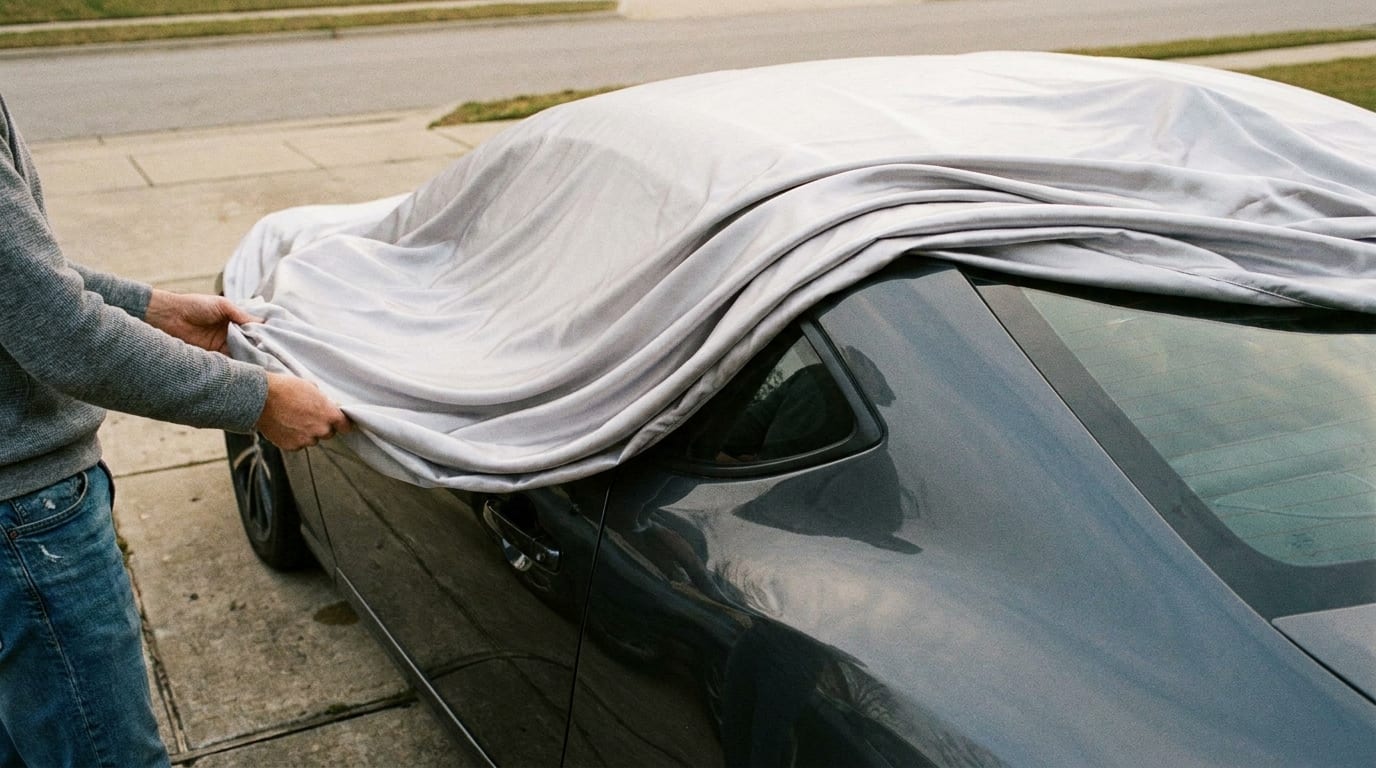
Small rip, under a few inches? You can usually fix this yourself. Hand-sew or machine-sew with heavy-duty outdoor thread, and backstitch directly over the original seam line so the repair shares the load instead of creating a new weak point next to the old one. Once it's sewn, run a fabric-safe seam sealant or outdoor-grade seam tape over the repair, particularly if it's a waterproof or multi-layer cover. Skip that step and you've fixed the tear but reopened a leak point.
If the rip is large, or you're finding multiple failure spots across the cover, don't treat it as a patch job. The thread around a big rip is usually just as worn as the thread that already failed, so you'll be back here again in a few weeks. At that point it's cheaper, in time if not money, to replace the cover outright.
Before you spend an afternoon sewing, check whether the cover is still under warranty. A manufacturing defect might be covered outright, which makes the DIY repair unnecessary. CarCovers' lifetime warranty page lays out what's actually covered and what isn't, and it's worth five minutes before you reach for a needle.
FAQs About Car Cover Seams Ripping
Is a ripped seam covered under warranty? Depends on the manufacturer and the cause. Manufacturing defects, like a seam that was poorly stitched from the start, are often covered. Damage from wind, misuse, or using the wrong size cover typically isn't. Check the warranty terms for the specifics before assuming either way.
Can I just sew the seam myself? Yes, for small rips. A heavy-duty outdoor thread repair with seam sealant holds up fine, sometimes permanently. But if the same spot keeps ripping, that's the cover telling you it's done, not asking for another patch.
Does a more expensive cover mean stronger seams? Not automatically, no. But covers with double-stitched or reinforced seams and heavier fabric do hold up longer than thin, single-stitched universal covers, and that construction is usually where the extra cost actually goes.
How do I know if wind caused the rip? Look at where it tore. Rips near the front, rear, or underbody edges on a cover that wasn't strapped down are a strong sign wind flap did the damage. Check it against a cover that's been using gust straps or tie-downs and you'll usually see the difference right away.
Choosing a Cover That Won't Rip at the Seams Again
Work the problem in order: get the sizing right first, secure the cover against wind second, then make sure the seams themselves are built to last. Skip any of those steps and you're just buying time before the next rip shows up in the same spot.
If you've been patching the same cover over and over, that's usually a sign the fit or construction was wrong from day one, not that you're doing something wrong. Take the measurements, check the install, and find a cover that's actually built for your vehicle and where you park it. And if you want more guidance like this before your next purchase, it's worth browsing around for sizing and care tips so you're not solving the same problem twice.
Frequently asked questions
Is a ripped seam covered under warranty?
It depends on the manufacturer and cause. Manufacturing defects are often covered, but damage from wind, misuse, or incorrect sizing typically isn't. Check the specific warranty terms.
Can I just sew the seam myself?
Yes, for small rips a heavy-duty outdoor thread repair with seam sealant works fine as a temporary or even long-term fix, but repeated rips in the same spot usually mean it's time to replace the cover.
Does a more expensive cover mean stronger seams?
Not always on price alone, but covers with double-stitched or reinforced seams and heavier fabric genuinely hold up longer than single-stitched universal covers.
How do I know if wind caused the rip?
Check the rip location. Tears near the front, rear, or underbody edges on a cover that wasn't strapped down are a strong sign wind flap is the cause.