Why Does My New Car Cover Have a Strong Odor? Causes and How to Fix It
Published

You unbox a brand-new car cover, excited to finally protect your ride, and get hit with a smell that's somewhere between a shower curtain and a tire shop. If you're wondering why does my new car cover have a strong odor, take a breath: this is normal. It's not a sign you bought a defective product, and it's not permanent. The smell comes from a predictable combination of raw materials, protective coatings, and the sealed packaging the cover sat in before it reached you. Air it out for a day or two and it fades fast.
Why Does My New Car Cover Have a Strong Odor? The Short Answer
Short version: a strong smell straight out of the bag is expected, not a red flag. Three things usually cause it. First, the raw synthetic materials (polyester, polypropylene, vinyl) carry a chemical scent from how they're manufactured. Second, factory coatings like waterproofing and UV treatments add their own smell on top of that. Third, the cover sat heat-sealed in plastic for shipping and storage, which traps the odor until you open it.
None of that means something went wrong. Give it a day or two outside and the smell drops off noticeably. A strong odor out of the box is not, by itself, a reason to return the cover.
What Causes That New Car Cover Smell
Start with the fabric itself. Most car covers are made from polypropylene, polyester, or vinyl, and all three carry a chemical odor straight from the manufacturing line. That's just how synthetic textiles come out of production. It's the same reason a new shower curtain or a fresh yoga mat smells sharp when you first unroll it.
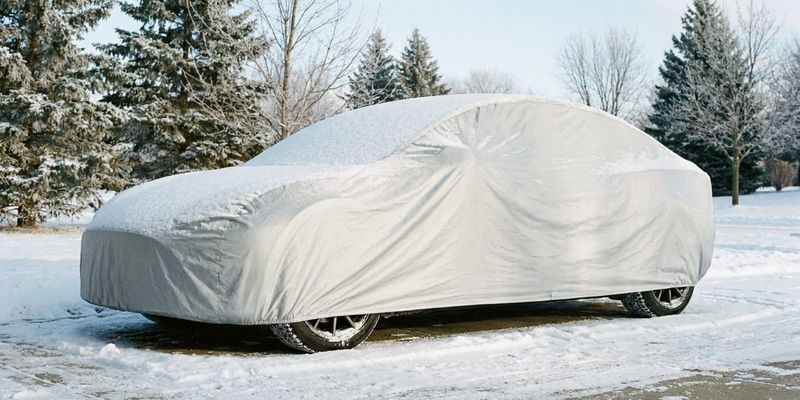
Then there's what gets added to the fabric. Waterproofing treatments, UV-resistant coatings, and anti-mildew finishes all bring their own scent profile, and they layer right on top of the base fabric smell. A cover built for serious outdoor car cover duty usually carries more of these treatments than a basic indoor cover, which is part of why some covers smell stronger than others.
Packaging makes it worse. Covers get heat-sealed into plastic for shipping, which concentrates whatever odor is already there instead of letting it dissipate. Add in time spent sitting in a warehouse or shipping container, often in heat and humidity with zero airflow, and the smell has nowhere to go. By the time it lands on your porch, it's had weeks to build up inside that sealed bag.
Is the Odor From a New Car Cover Harmful?
The smell is almost always low-level volatile organic compounds (VOCs), the same category of odor you get from a new car interior, a new mattress, or fresh paint. It's not pleasant, but it's a common byproduct of new plastics and textiles, not a unique problem with your cover.
Still, don't unbox it and toss it straight into a closed closet or a small room. Open it up somewhere with airflow instead. If you're sensitive to strong smells or have respiratory concerns, unpack the cover outdoors and let it air out there before it ever touches your vehicle.
One distinction matters here: this is a dry, chemical smell. A musty, sour, or mildew-like smell is different and points to moisture exposure rather than a manufacturing odor. More on that later.
How to Get Rid of a Car Cover's New Smell
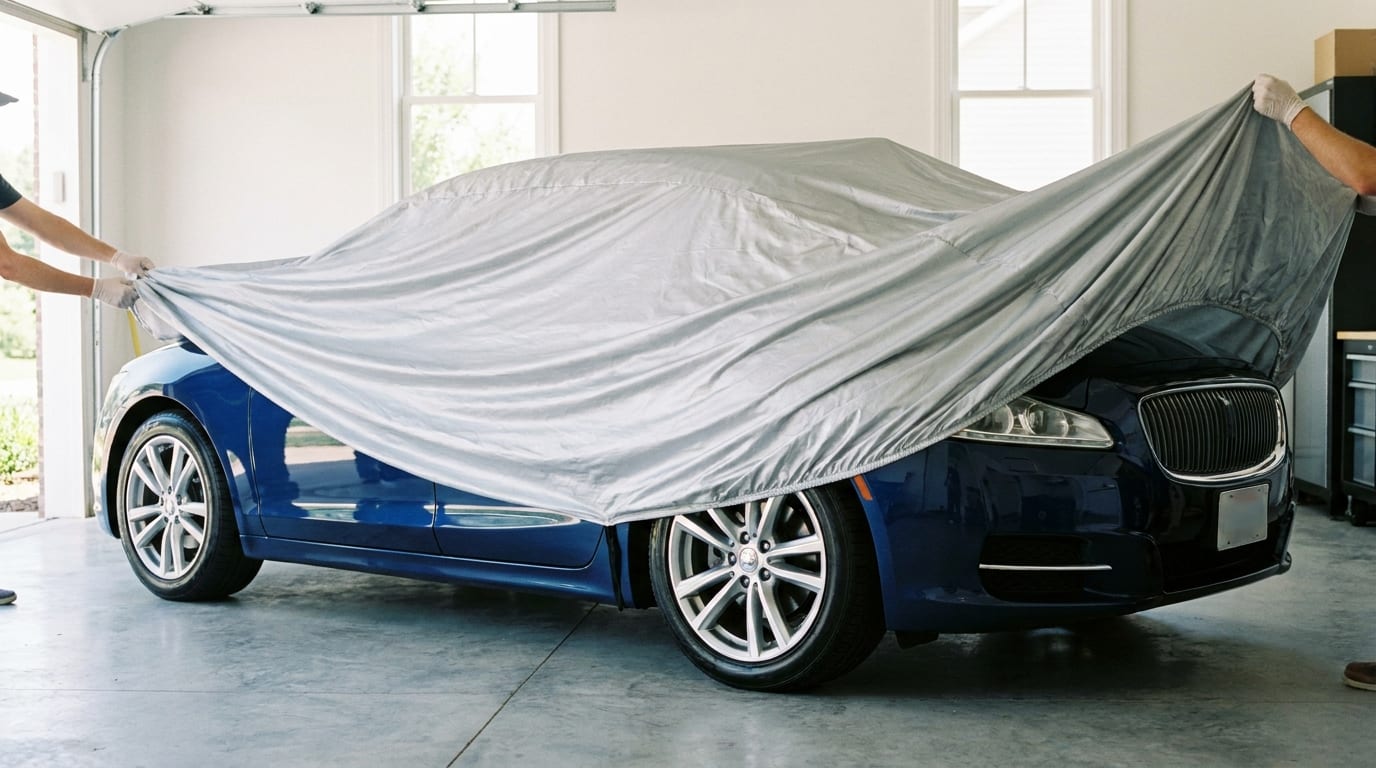
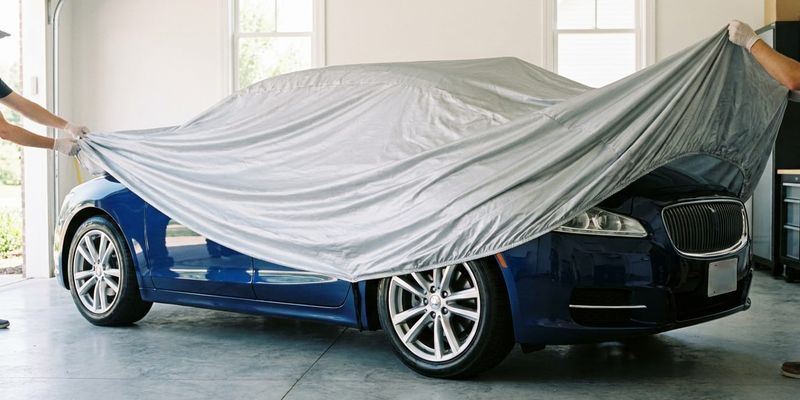
The fix is simple and doesn't take long.
- Unpack the cover completely the moment it arrives. Pull off every bit of plastic packaging and any internal liners. Don't leave it bagged "for later."
- Drape or hang it outdoors in a shaded, well-ventilated spot for 24 to 48 hours before you ever put it on the car. Avoid direct sun for this step if the cover has coatings that could be affected by prolonged UV before first use.
- Still smells strong after that? Hand wash it with a mild detergent, not a harsh soap, then let it air dry fully. For step-by-step instructions matched to your fabric type, check the cover care guide or the full washing walkthrough.
- Skip the machine dryer, especially on high heat. It can warp seams and break down waterproof coatings, which defeats the purpose of the cover in the first place.
That's really it. No special sprays, no odor-neutralizing products needed. Fresh air and a little patience do the job.
How Long Until the Smell Fades Completely
Most of the odor fades noticeably within one to three days of airing the cover out. Give it normal outdoor use and it's typically gone within one to two weeks.
Heavier, multi-layer covers built for year-round outdoor exposure can hold onto the smell a bit longer than a thin, single-layer indoor cover, simply because there's more material and more coating involved. That's not a defect, just a function of what the cover is built to do.
Sun and moving air clear the smell faster than anything you can do indoors. If you leave a cover folded in a drawer waiting for "the right time" to use it, the smell lingers. Hang it up outside and it's gone in days.
When the Smell Might Signal a Different Problem
There's a real difference between a sharp, chemical, plasticky smell and a musty, sour one. The chemical smell is normal manufacturing off-gassing, and it fades with airing out, as covered above. A musty or mildew smell is a different animal entirely: it points to moisture that got trapped somewhere between the factory and your doorstep, not the manufacturing process itself.
If you notice that kind of smell, check the cover and packaging for visible mold spots, discoloration, or damp patches before you do anything else. That's a separate issue from a dry chemical odor and worth flagging.
If a cover still smells off after airing out and washing, or shows other defects, you're covered. Look at the lifetime warranty details, the general warranty page, or the no-hassle guarantee for how to handle it. If you'd rather send it back outright, the return policy spells out the process.
FAQ: New Car Cover Smell Questions
Is it normal for a new car cover to smell? Yes. Most new car covers carry a noticeable chemical smell from the fabric and coatings used in manufacturing, plus time spent sealed in shipping packaging. It typically fades within days of airing out.
Can I wash a brand-new car cover before using it? Yes. Hand washing with a mild detergent and air drying is safe for most car covers and often speeds up odor removal if airing out alone isn't enough.
Does a strong smell mean the cover is poor quality? Not necessarily. Smell intensity usually comes down to fabric type and the coatings applied, not overall build quality. It resolves with airing out and regular use.
How long does the new car cover smell usually last? Most of it fades within one to three days of unpacking and airing the cover outdoors. Full use for a week or two usually clears it completely.
Air It Out, Then Put It to Work
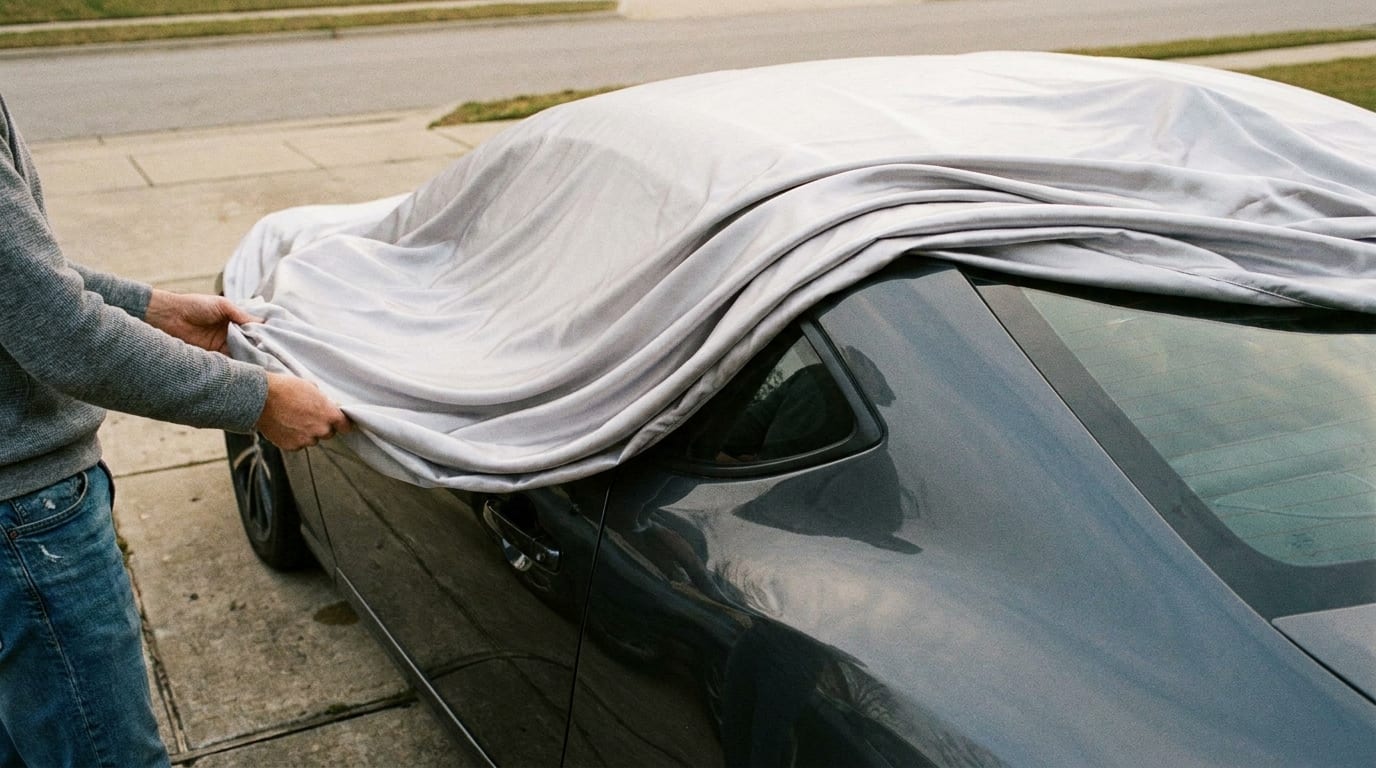
Unbox it right away, hang it outside for a day or two, wash it if the smell sticks around, then put it on the car. That's the whole fix, and it works for the overwhelming majority of new covers.
If you're still deciding which cover fits your vehicle and budget, browse the car covers lineup to compare options, and once yours arrives, the installation guide walks through getting it fitted right the first time. Stick around the blog for more straightforward car care advice like this, we post it regularly.
A strong smell out of the box is a packaging story, not a performance one. Give it some air, and get on with protecting your car.
Frequently asked questions
Is it normal for a new car cover to smell?
Yes, most new car covers have a noticeable chemical smell from manufacturing materials and sealed packaging, and it typically fades within days of airing out.
Can I wash a brand-new car cover before using it?
Yes, hand washing with mild detergent and air drying is safe for most car covers and can help remove lingering odor faster.
Does a strong smell mean the cover is poor quality?
Not necessarily; smell intensity often relates to fabric type and coating rather than overall quality, and it resolves with airing and use.
How long does the new car cover smell usually last?
Most odors fade noticeably within 1-3 days of unpacking and airing outdoors, and are typically gone within two weeks of regular use.