Car Cover vs Inflatable Car Capsule: Which Protects Your Vehicle Better?
Published

The Quick Verdict
For most drivers, a custom-fit car cover gets you 90% of the protection an inflatable car capsule offers, at a fraction of the cost, setup time, and storage space. The car cover vs inflatable car capsule debate really comes down to how often you touch your car. If you drive it, even occasionally, a cover wins. If it's a six-figure classic sitting untouched in a climate-controlled garage for years at a time, a capsule's sealed, contact-free bubble might actually justify its price and bulk.
Think of it as "protect it well, use it often" versus "seal it away, rarely touch it." Keep that framing in mind and the rest of this breaks down into a quick reference rather than a debate you need to resolve from scratch.
Car Cover vs Inflatable Car Capsule: Side-by-Side Comparison
The numbers and the daily friction tell most of the story here. A cover is something you own and use. A capsule is something you install.
| Factor | Car Cover | Inflatable Car Capsule |
|---|---|---|
| Upfront cost | $50 to $300 depending on fit and material | $500 to $1,500+ per vehicle unit |
| Setup time | Under 5 minutes by hand | 10 to 20 minutes with a continuous-run blower |
| Storage when not in use | Folds into a trunk or shelf | Needs flat floor space plus a dedicated blower |
| Portability | Travels with the car | Stationary, single-location only |
| Power needed | None | Continuous electricity to stay inflated |
| Outdoor protection | Blocks UV, rain, sap, bird droppings | None, indoor use only |
| Indoor dust/humidity control | Good | Good, plus filtered-air micro-climate |
| Contact with paint | Fabric touches the surface | Zero contact, car is suspended |
| Vehicle type fit | Cars, SUVs, trucks, motorcycles | Almost exclusively single passenger cars |
A few of these deserve more than a row in a table. The power dependency one is worth sitting with: a capsule needs electricity running to the blower nonstop to stay inflated. Lose power for an extended stretch and the bubble deflates around your car. A cover has no failure mode like that. It just sits there doing its job.
Portability is the other gap people underestimate. A cover travels with your car to a car show, a tailgate, or a week of street parking while you're between garages. A capsule doesn't travel anywhere. It's built around one spot in one garage.
What a Car Cover Actually Protects Against
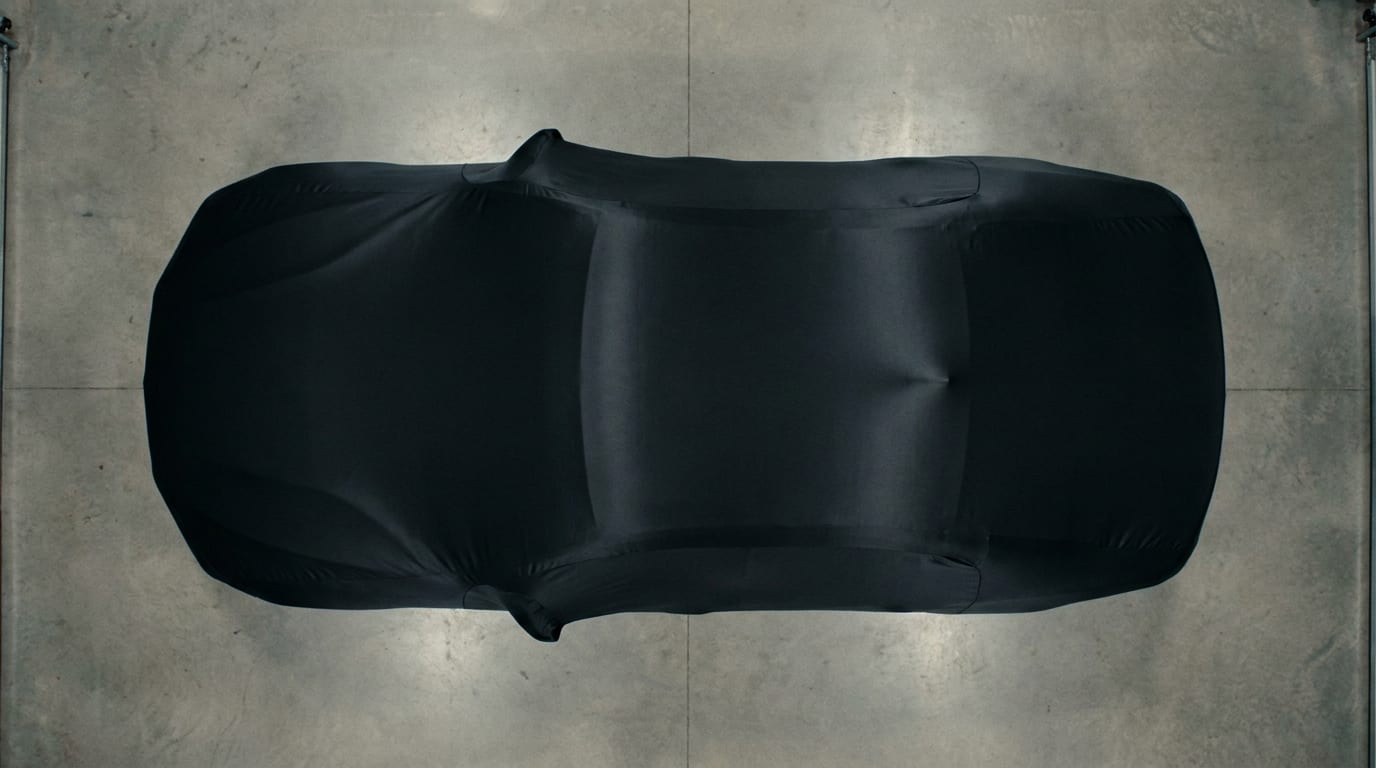
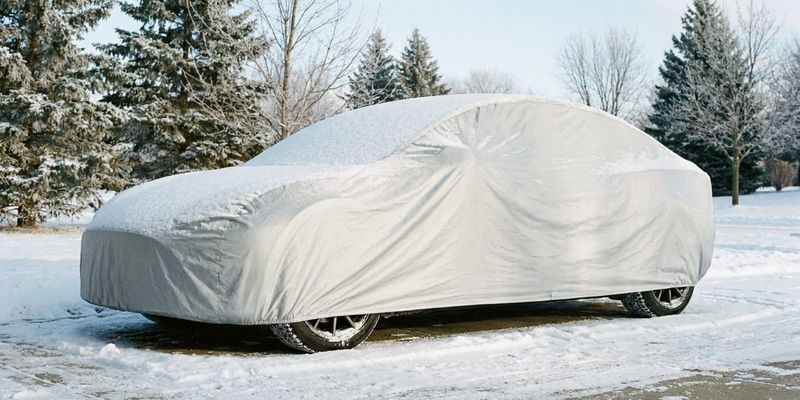
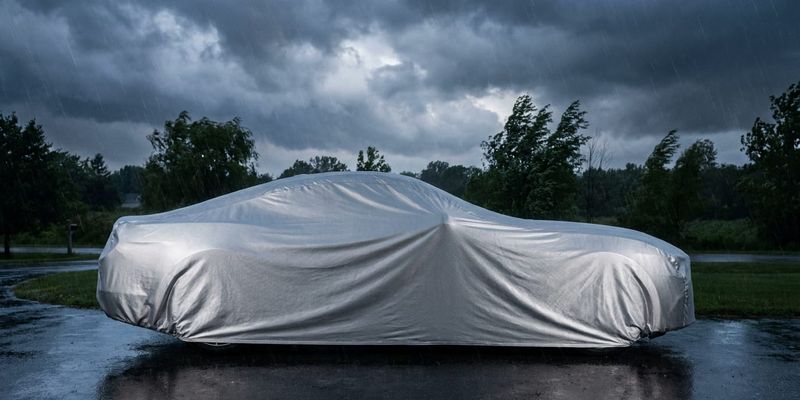
Indoors, a cover's job is simple: keep dust and incidental scuffs off the paint while the car sits. Outdoors, it's doing a lot more work, blocking UV rays that fade paint and interior trim, shedding rain, and keeping tree sap and bird droppings from etching into clear coat. That's a real difference in what the cover needs to be made of depending on where the car lives, which is why outdoor car covers and indoor car covers aren't interchangeable products.
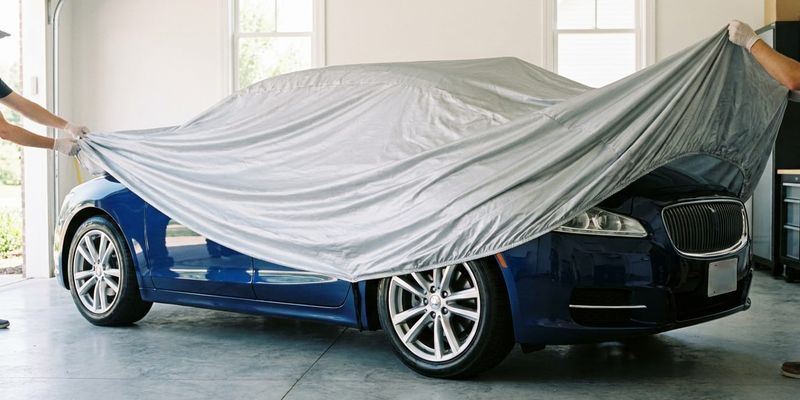
Fit matters more than people expect. A universal-fit cover is cut to roughly accommodate a size class of vehicle, which means extra fabric flapping in the wind, rubbing against the paint, and working loose at highway speeds if you're using it during a road trip stop. A custom-fit cover is cut to your exact make and model, so it sits snug, resists wind lift, and doesn't rub a groove into your clear coat over a few months of use. If you're also parking somewhere exposed, a waterproof car cover handles the rain and snow side of that equation without trapping moisture underneath.
Here's the thing a capsule genuinely can't do: a cover goes where you go. Fold it up, throw it in the trunk, pull it back out at the hotel parking lot or the car show field. That portability alone settles the car cover vs inflatable car capsule question for anyone who doesn't store their car in exactly one place, forever.
What an Inflatable Car Capsule Actually Protects Against

Mechanically, a capsule is a clear or opaque tent-like bubble that a continuous low-speed blower keeps inflated around the vehicle, suspending it off the floor and away from any fabric contact. No cover touches the paint. No cloth rubs against the finish during the thousandth time someone walks past and brushes it.
That's genuinely useful for one specific case: zero-contact storage of a show car, a rare classic, or any vehicle going into long-term layup where the owner wants to glance through clear plastic and check on it without pulling a cover on and off. If the car isn't moving for months or years at a stretch, that sealed environment earns its keep.
But the tradeoffs are real and they don't go away with a bigger budget. A capsule only works indoors, full stop. It needs continuous power to the blower, with no backup plan if that power cuts out. It needs a flat, dedicated footprint roughly the size of a one-car garage bay, permanently, whether the car is in it or not. And none of that benefit applies if you're driving the car even semi-regularly. Deflating a capsule, backing the car out, then re-inflating it again isn't a process anyone wants to repeat weekly.
Which One Should You Actually Buy?
Break it down by how you actually use the car and the decision mostly makes itself.
Daily drivers and anyone who parks outdoors at all: a weatherproof cover is the only option that functions here, since capsules can't go outside in any capacity. This isn't close.
Garage-kept cars that still get driven occasionally, like a weekend sports car or a second vehicle you take out a few times a month: an indoor cover goes on and off in under a minute, which beats deflating and re-inflating a capsule every single time you want to drive.
True long-term storage of a collector or classic car that's rarely touched and kept indoors: this is the one legitimate case where a capsule's sealed, contact-free environment can be worth the cost and the floor space.
Budget-conscious owners protecting a single daily vehicle: a cover's lower upfront cost and zero ongoing power draw make it the cheaper option over a few years, not just at checkout. Not sure what fits your vehicle? The cover finder matches covers to specific makes and models in a couple of clicks, and CarCovers' comparison guide breaks down material tiers if you're choosing between indoor and outdoor options.
Getting the Most Out of a Car Cover

Sizing is the single biggest factor separating a cover that performs like a capsule's sealed bubble from one that doesn't. A properly fitted cover eliminates most of the wind-lift and rubbing complaints that push people toward capsules in the first place. If you're unsure what you need, sizing your cover correctly is worth five minutes before you buy anything.
Installation technique matters just as much as the cover itself. A cover thrown on loosely will shift, flap, and rub exactly where you don't want it to. Installing it correctly, with straps secured and the fit snug at the mirrors and wheel wells, removes nearly all of that risk.
And a cover backed by a real lifetime warranty takes care of the long-term durability worry that makes a capsule's higher price tag feel justified in the first place. You're not gambling on the fabric holding up. It's covered either way.
Find the Right Cover for Your Vehicle
If you drive your car regularly, or even just park outdoors occasionally, a properly fitted cover beats an inflatable capsule on cost, setup speed, and flexibility. It's not close for most owners. Capsules have their one narrow lane, but it's a narrow lane.
If you're ready to find the right fit for your specific vehicle, it's worth browsing what's actually built for your make and model rather than guessing at a universal size. And if you want more on getting the most out of whatever cover you land on, from care routines to install tips, poke around the rest of our guides. We write about this stuff a lot, and it's worth a few minutes before you buy.