Why Does My Car Cover Shrink After Washing? (Causes + How to Fix It)
Published
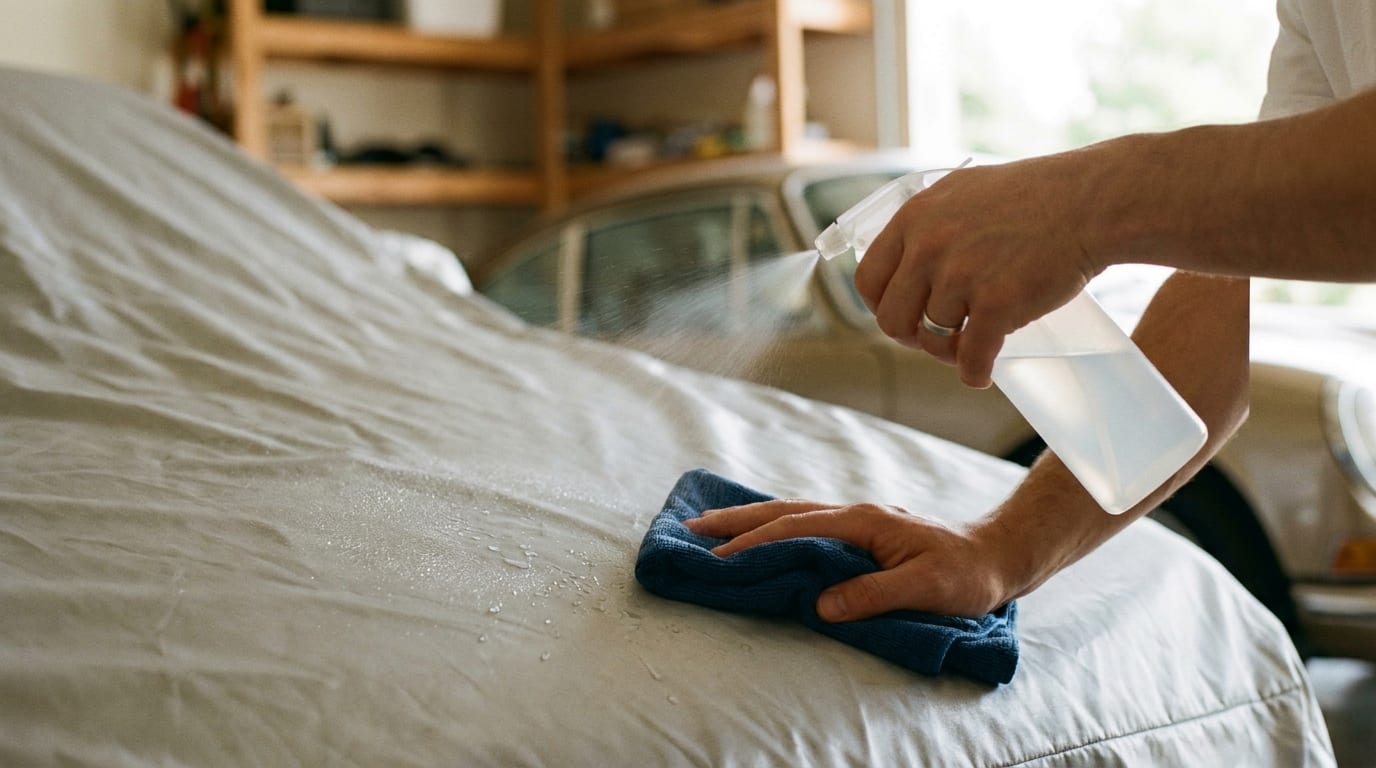
Your car cover comes out of the wash looking like it belongs on a smaller vehicle, and now you're wondering if you ruined it. Good news: in most cases, no. Why does my car cover shrink after washing is one of the most common questions we get, and the short answer is heat. Hot water or a hot dryer cycle causes the synthetic fibers in the fabric to contract. It's rarely the fabric actually losing material. That distinction matters a lot, because it means the problem is often fixable.
Why Does a Car Cover Shrink After Washing?
Heat is the culprit, nearly every time. Not detergent, not age, not a defect in the cover itself.
Most car covers are made from woven or non-woven synthetic fabrics like polyester or polypropylene blends. Manufacturers pick these materials because they're lightweight and breathable, which is exactly what you want for something that sits on your car for days or weeks at a time. The tradeoff is that these fibers are sensitive to heat. Expose them to hot water or a dryer, and the fibers contract and pull tighter together.
So when your cover feels snug after a wash, that's usually fiber contraction, not fabric loss. The material is still there, it's just pulled in on itself. That's good news if you're trying to fix it, because contracted fibers can sometimes be coaxed back into shape. If you're building a regular car care routine around your cover, understanding this difference up front saves you from panicking the first time it happens.
The Real Causes: Heat, Fabric Type, and Drying Method
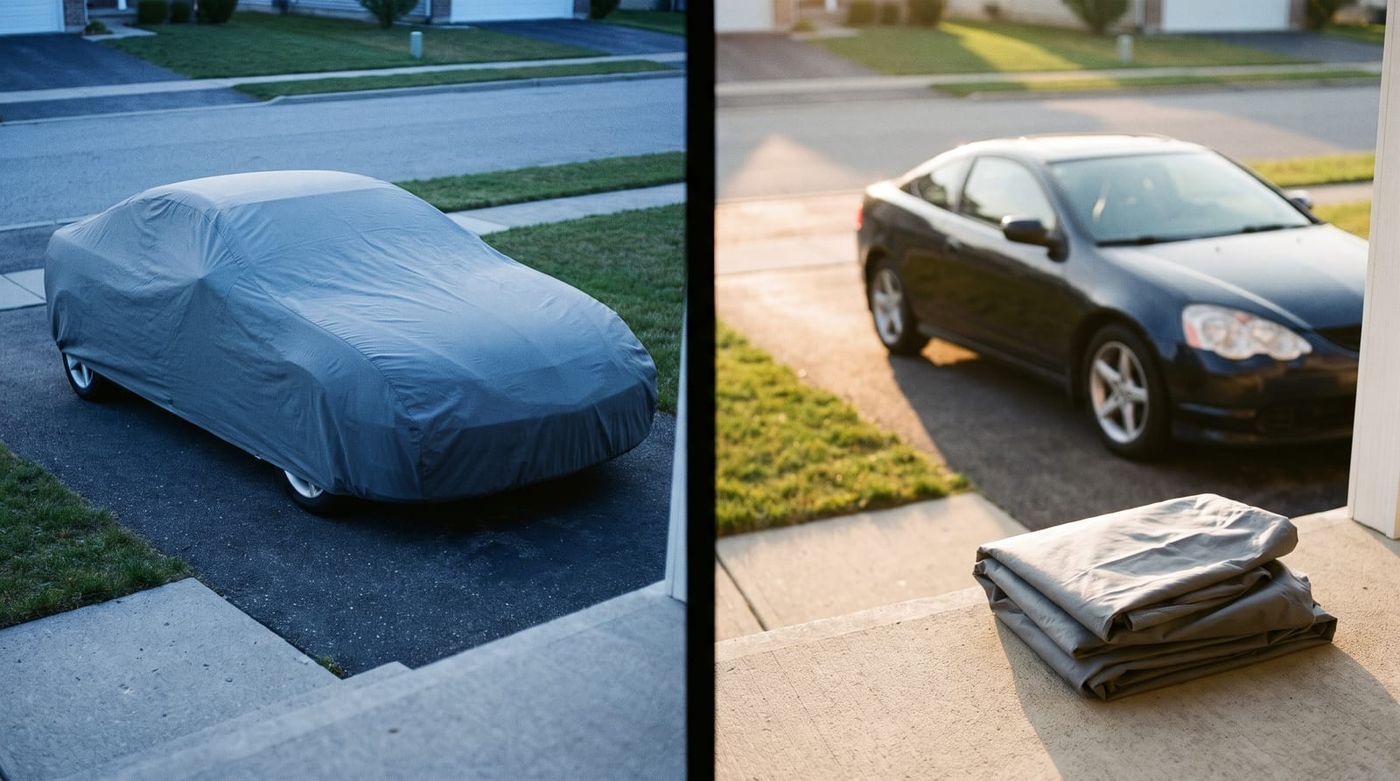
Let's get specific about what actually triggers it.
Washing in hot water, anything above a warm or cool setting, is the first trigger. Synthetic fibers start contracting once the water temperature climbs, and the hotter it gets, the more pronounced the shrinkage.
But the dryer is the bigger offender. Machine drying on medium or high heat is, hands down, the single biggest cause of noticeable shrinkage. A wash in warm water might tighten a cover slightly. A full cycle in a hot dryer can shrink it enough that it no longer fits the car properly.
Fabric type plays a role too. Non-woven or laminated fabrics, which show up a lot in indoor and budget-tier covers, shrink more easily than tightly woven outdoor fabrics. The fibers in a non-woven material aren't locked into a weave structure, so there's less holding them in place when heat hits. A tightly woven outdoor fabric resists that kind of movement better.
One thing people overlook: elastic hems and corner straps can shrink on their own, independent of the main fabric panel. If the elastic tightens up, the whole cover can feel smaller even though the body of the fabric barely changed at all. Worth checking before you assume the entire cover is a lost cause.
How to Fix a Car Cover That Shrunk
Here's where the fiber-contraction distinction actually pays off, because it means stretching is often possible.
Start with a cool-water soak. Fifteen to twenty minutes is usually enough to relax the fibers and make them pliable again. Don't rush this part. A fiber that's still tight and dry won't stretch, it'll just resist and potentially tear.
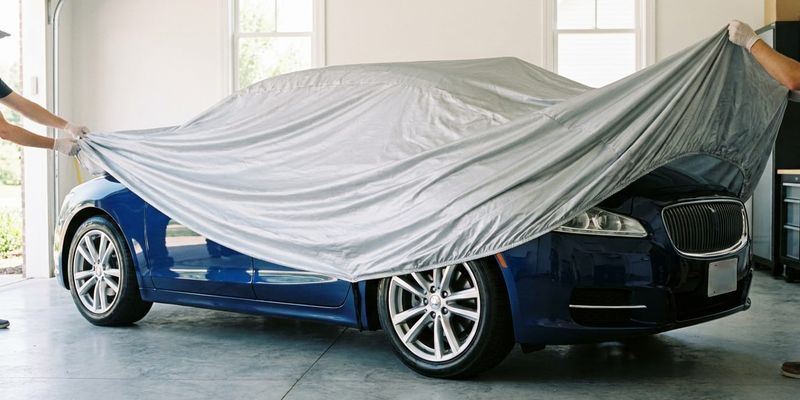
While the cover is still damp, pull it over the vehicle (or a frame of similar size and shape) and stretch it into position by hand. Then let it air dry right there, in place. This is basically the same principle you'd use when installing your car cover for the first time: get the fit right while it's workable, then let it set.
If it's the elastic hem that shrank rather than the fabric itself, that's often the easier fix. It's a smaller component, so stretching it back out or even replacing just the elastic can solve the whole problem without touching the main panel.
Set your expectations accordingly, though. Minor shrinkage, something under 2 to 3 percent, usually responds well to this method. If the cover went through a full hot dryer cycle, don't be surprised if it doesn't fully bounce back. Heat damage beyond a certain point just isn't reversible with a soak-and-stretch approach. For routine care going forward, our step-by-step guide to cleaning a car cover walks through the safer process from the start.
Can a Shrunk Car Cover Be Stretched Back to Size?
Yes, in a lot of cases, as long as the shrinkage came from a wash cycle rather than prolonged dryer heat.
The reason the stretch-while-damp method works comes down to basic fiber physics. Synthetic fibers are more pliable when wet. Water loosens the bonds just enough that you can reshape the material before it locks back into place as it dries. Once it's fully dry, that window closes.
A word of caution, though: don't treat this as a fix you can lean on forever. Repeated shrink-and-stretch cycles put real stress on the fabric, and over time that weakens it. You might get away with it once or twice. Do it every wash and you're accelerating the fabric's wear well beyond what it was built for. If your cover is still within its coverage window, it's worth checking the lifetime warranty on car covers terms before you keep forcing a cover back into shape that keeps fighting you.
How Do You Wash a Car Cover Without Shrinking It?
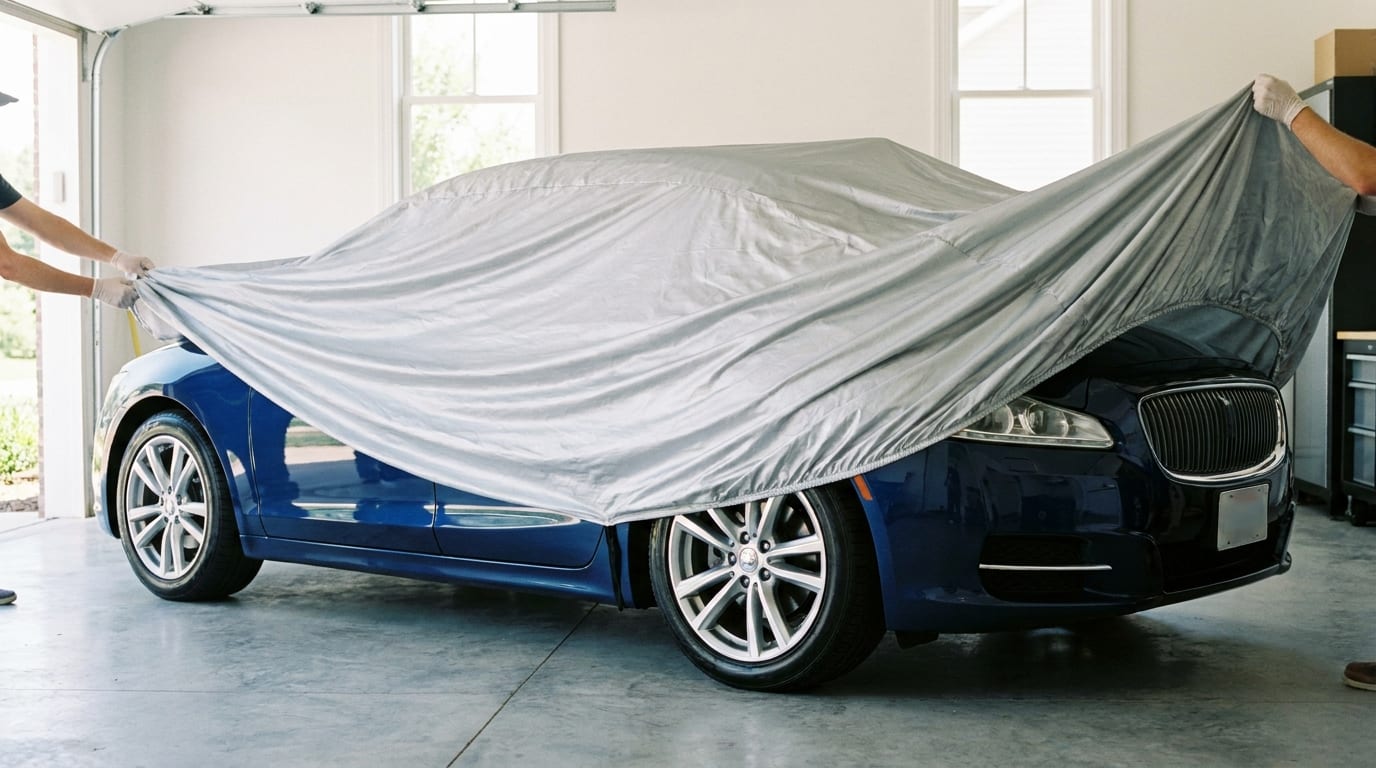
Prevention beats repair here, every time.
Start with the manufacturer's care tag or instructions. Fabric types vary across cover tiers, and a method that's fine for one cover can be too aggressive for another.
Beyond that, a few rules hold up across almost every cover:
- Use cold or lukewarm water, never hot.
- Choose a mild, non-detergent soap instead of regular laundry detergent, which can be harsh on the fabric coatings.
- Air dry only. Lay the cover flat or hang it, and skip the dryer entirely. Avoid direct sun too, since UV exposure has its own degrading effect separate from heat shrinkage.
- Skip washing machines with agitators if you're dealing with a larger cover. The agitator can twist and strain the fabric. A bathtub hand wash or a front-loader on a gentle cycle is the safer route.
If you want the full rundown with timing and product recommendations, our guide to cleaning a car cover step by step covers it in more detail than we can fit here.
Does Every Car Cover Material Shrink the Same Way?
Not even close.
Tightly woven, outdoor-rated fabrics generally hold their dimensions better than soft, non-woven indoor fabrics. The weave structure itself resists the kind of fiber movement that causes shrinkage, where a non-woven material has nothing locking it in place.
Multi-layer covers, the kind built for full weatherproofing, add another wrinkle. Literally. Each layer can shrink at a slightly different rate, which causes puckering on top of the overall tightness. That uneven shrinkage is harder to fix with a simple stretch, because you're not dealing with one uniform fabric anymore.
There's also a sizing angle worth mentioning. A cover that's already a snug, custom fit to begin with has almost no margin for shrinkage before it stops fitting right. A looser universal cover might shrink a bit and still work fine. A custom-fit car cover built to your exact vehicle dimensions doesn't have that cushion, so even mild shrinkage shows up fast. If you're not sure your current cover was ever sized correctly to begin with, it's worth double-checking against a sizing guide before you blame the wash entirely.
When Should You Replace a Shrunk Car Cover Instead of Fixing It?
Sometimes the stretch just doesn't work, and that's your answer.
If the cover no longer reaches the ground or won't secure at the mirrors and bumpers even after you've stretched it, replace it. Gaps around the edges let moisture in underneath, which defeats the entire point of covering the car in the first place.
Check the fabric itself, too. If it feels stiff or brittle, or you notice stress marks after trying to stretch it, that's not contraction anymore. That's heat damage to the fibers, and no amount of soaking is going to undo it.
If this keeps happening wash after wash, it might be less about your washing technique and more about the cover itself. Sizing up slightly, or switching to a custom-fit cover built for your exact vehicle, gives you more room to work with. You can browse options and compare fits through CarCovers' cover finder if you're due for a replacement anyway.
Keep Your Cover Fitting Right Wash After Wash
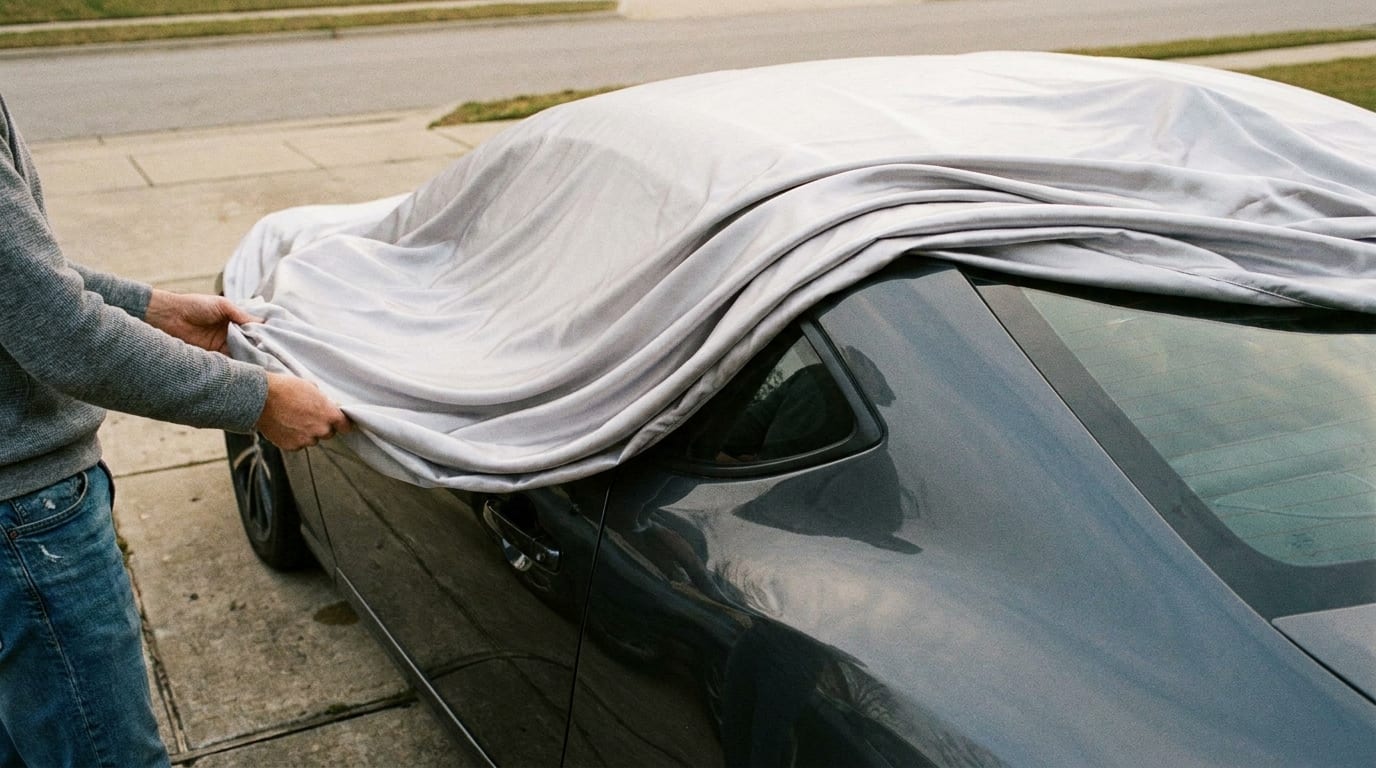
Shrinkage almost always comes back to one thing: heat. Cold water, air drying, and skipping the dryer entirely will do more for your cover's lifespan than any fix applied after the damage is done. That's really the whole answer to why does my car cover shrink after washing: it's a heat problem first, a fit problem second, and prevention is just easier than repair.
If you want the full washing routine laid out step by step, it's worth a few minutes to get it right before your next wash. And if your current cover is too far gone to save, there's no harm in browsing a properly sized replacement instead of fighting a fit that's never going to feel right again.
Frequently asked questions
Why does my car cover shrink after washing?
Heat is the main cause. Hot water during washing or heat from a dryer cycle causes the synthetic fibers in the cover to contract. It's usually fiber contraction rather than permanent fabric loss, which is why mild shrinkage can often be reversed.